‘Lady Blamey’: meaning and origin
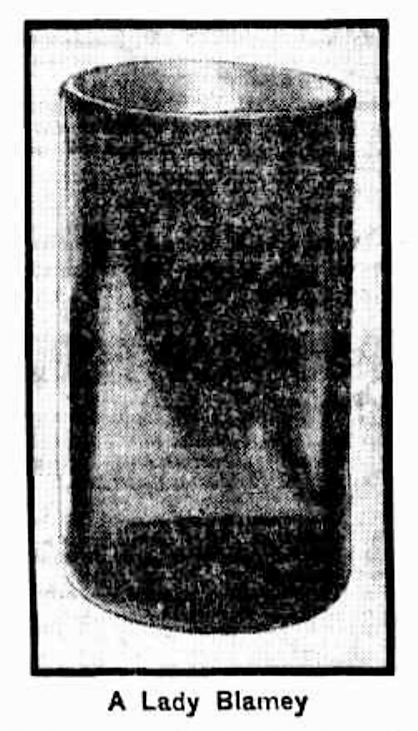
Australia, 1941—an improvised drinking glass made by slicing the top off a bottle—named after Lady Olga Blamey, wife of General Thomas Blamey
Read More
“ad fontes!”
Australia, 1941—an improvised drinking glass made by slicing the top off a bottle—named after Lady Olga Blamey, wife of General Thomas Blamey
Read More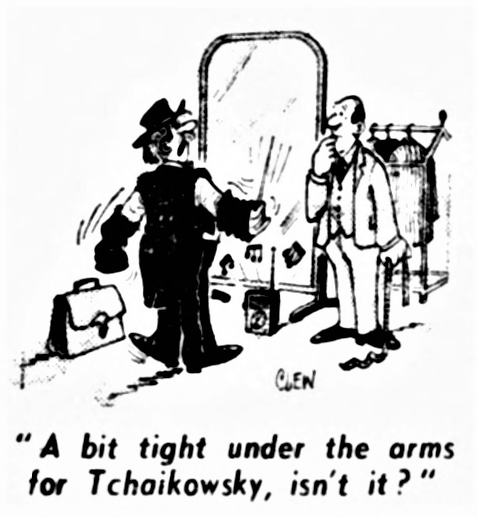
UK and USA, 1908: applied to a pair of trousers much too large for the wearer—later also applied to small cars and to socks much too large for the wearer
Read More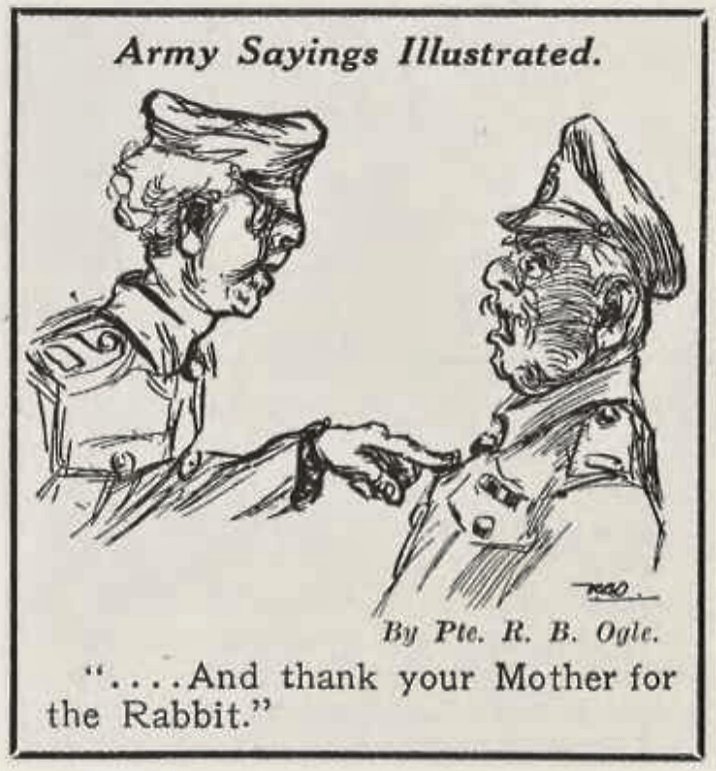
UK and Ireland, since 1913—this jocular phrase has been used as an ironic expression of gratitude and as a goodbye
Read Moreused to rebuke an unrealistic conditional—USA, 1808: ‘if my aunt had been my uncle, what would have been her gender?’—France, 1843: ‘si ma tante était un homme, ça serait mon oncle’ (‘if my aunt were a man, that would be my uncle’)
Read MoreUK—originated in British-Army slang, first to designate an unintelligent person (1943), then any ordinary soldier of the lowest ranks (1945)—finally also, in civilian usage: any ordinary person (1947)
Read More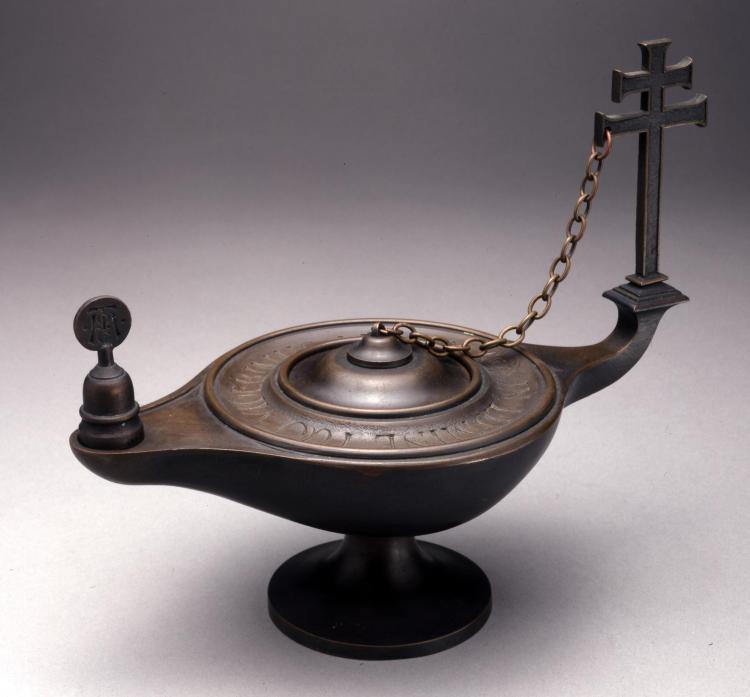
dim-witted—UK, 1955—refers to the oil lamp that is symbolically lit at the beginning of the meetings of each section of the international movement Toc H
Read Moredenotes a holiday spent at home or in one’s country of residence—USA, 1944—a blend of ‘stay’ and ‘vacation’
Read MoreUSA, 1947—a mild insult perhaps alluding to impecuniousness—seems to have originated amongst teenagers and young adults
Read MoreUK, early 18th century—addressed to one who, saying ‘coming!’ (i.e., ‘in a minute’), takes a long time to arrive—used by extension of anything that is being delayed
Read More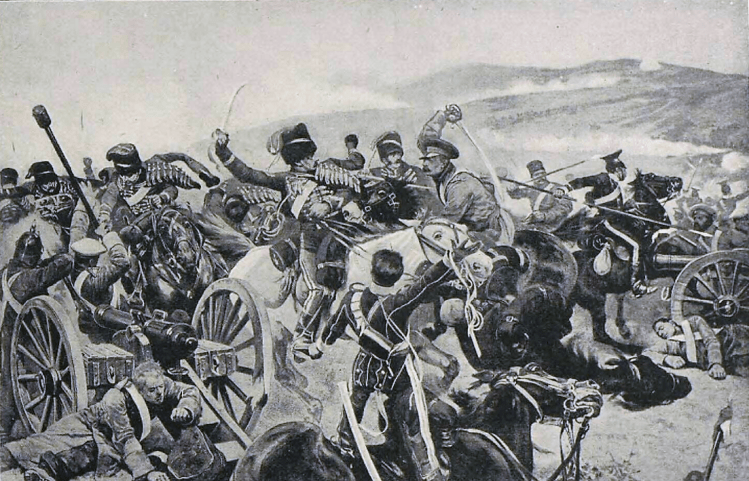
alludes to a British cavalry charge in 1854 during the Battle of Balaclava in the Crimean War—the phrase has had a variety of meanings, depending on the acceptation in which ‘charge’ has been used
Read More
