‘your mother wears army boots’: meaning, origin (?), and early occurrences
USA, 1947—a mild insult perhaps alluding to impecuniousness—seems to have originated amongst teenagers and young adults
Read More
“ad fontes!”
USA, 1947—a mild insult perhaps alluding to impecuniousness—seems to have originated amongst teenagers and young adults
Read MoreUK, early 18th century—addressed to one who, saying ‘coming!’ (i.e., ‘in a minute’), takes a long time to arrive—used by extension of anything that is being delayed
Read More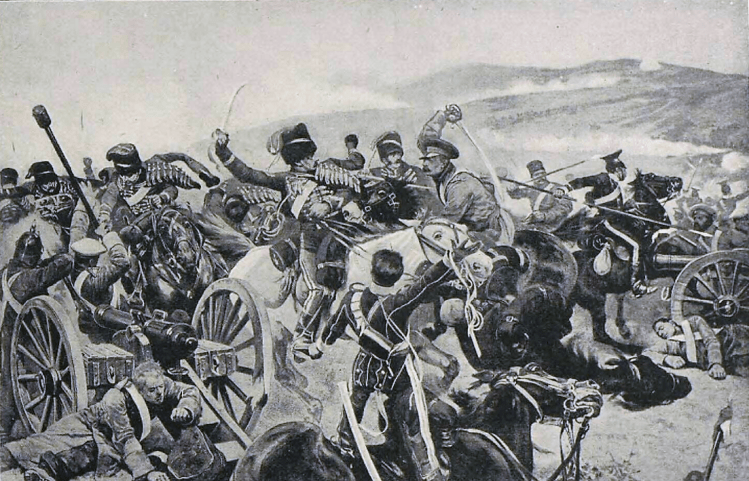
alludes to a British cavalry charge in 1854 during the Battle of Balaclava in the Crimean War—the phrase has had a variety of meanings, depending on the acceptation in which ‘charge’ has been used
Read More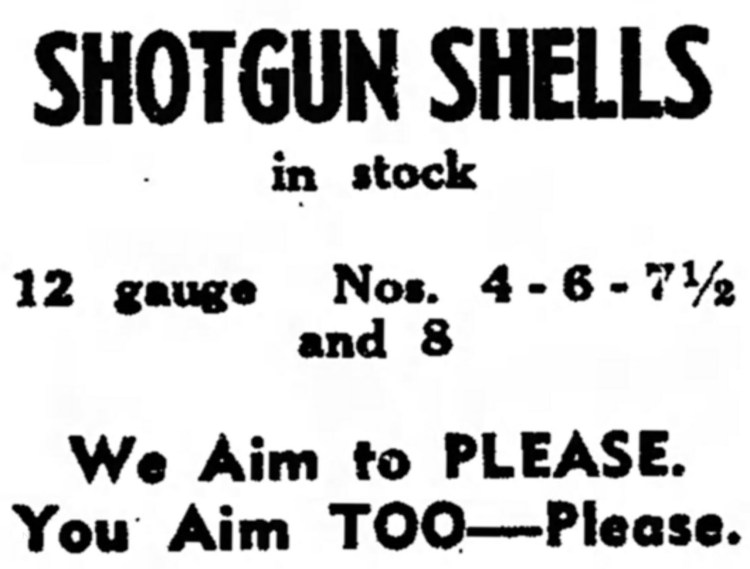
‘we aim to please’ (1817): originally chiefly used as a commercial slogan meaning ‘our customers’ satisfaction is our goal’—extended form ‘we aim to please; you aim too, please’ (1941): used in a variety of contexts
Read More
used upon parting, and often jocularly, this phrase means ‘behave yourself’—USA, 1911—had become hackneyed by 1918
Read More
used of someone who won’t admit defeat—USA, early 20th century—but used in the late 19th century in reference to physical weakness
Read MoreUSA, 1938—male-chauvinistic phrase meaning that the place of women is in the home and that their role is to bear children—also ‘pregnant and barefoot(ed)’
Read More
a statement of praise or admiration—Australia, 1903—also used, in particular, by Irish author Brendan Behan (1923-1964)
Read More
USA, 1934—addressed, often with ironic pity, to someone who has had an arduous day—from very popular 1934 song, ‘Little Man, You’ve Had a Busy Day’
Read More
one is experiencing remarkably good fortune; one has everything one could have wished or hoped for—Australia, 1932
Read More word histories