history of the phrase ‘(it) takes one to know one’
USA, 1926—only a person with a given personality, characteristic, etc., is able to identify that quality in someone else—particularly used of homosexuals
Read More
“ad fontes!”
USA, 1926—only a person with a given personality, characteristic, etc., is able to identify that quality in someone else—particularly used of homosexuals
Read More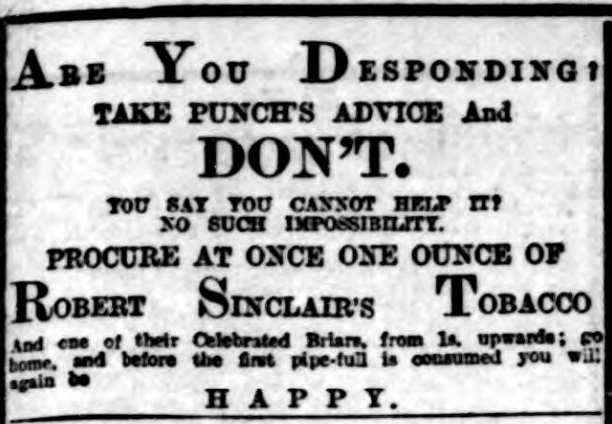
from “advice to persons about to marry—don’t”, published in ‘Punch’s Almanack for 1845’ (24 December 1844) by the magazine ‘Punch, or the London Charivari’
Read More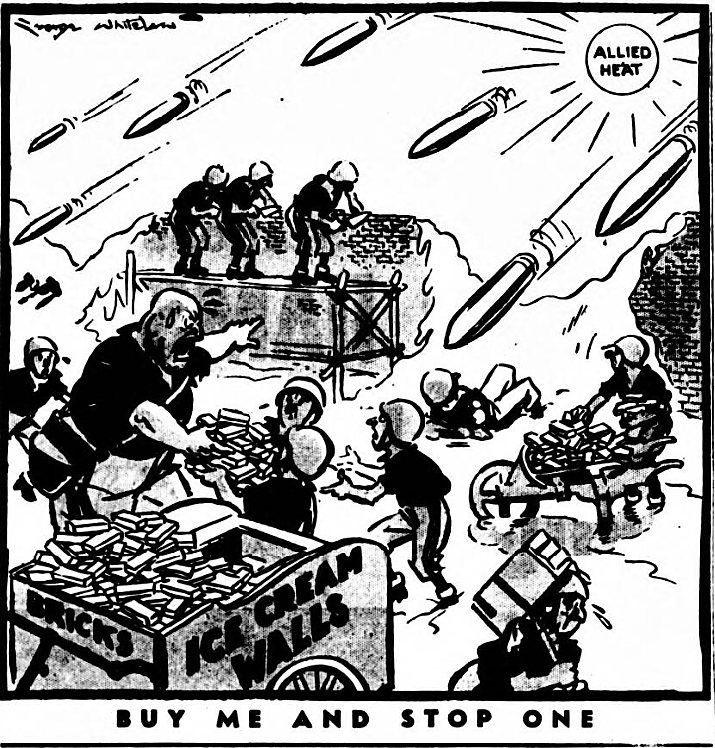
UK, 1970s: frequently scrawled on contraceptive-vending devices in public conveniences—reversal of ‘stop me and buy one’, Wall’s Ice Cream advertising slogan
Read More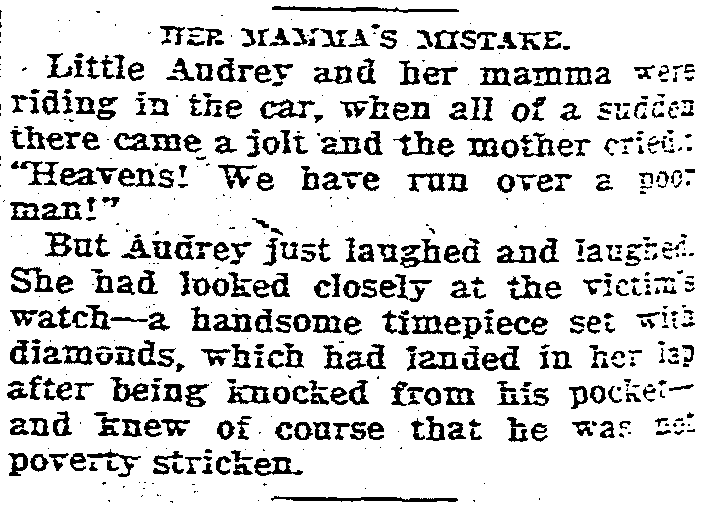
a joke involving a pun or double entendre opening with ‘but little Audrey just laughed and laughed because she knew’—January 1926, Kansas City Star (Missouri)
Read More
USA, 1990s—purveyor of doom, especially agent of death, force of suicide—refers to Jack Kevorkian (1928-2011), U.S. physician and advocate of assisted suicide
Read More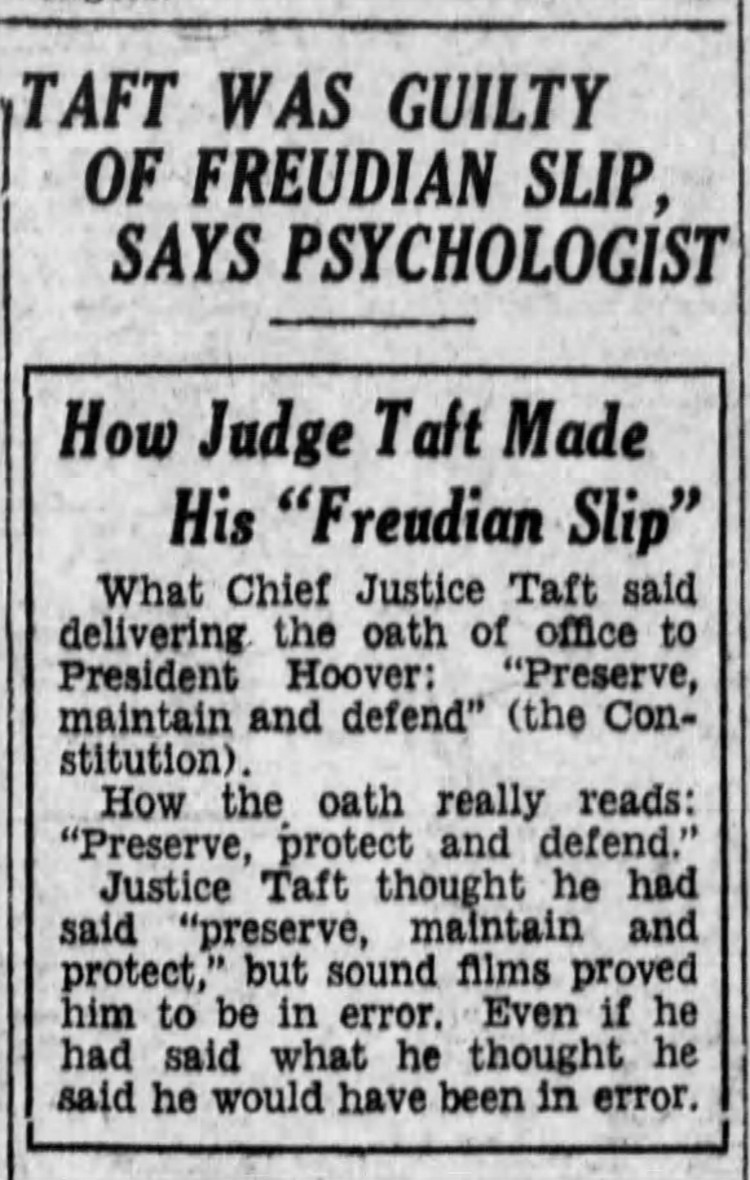
USA, 1927—a slip of the tongue by which the speaker reveals an unconscious thought—named after Austrian neurologist and psychotherapist Sigmund Freud (1856-1939)
Read More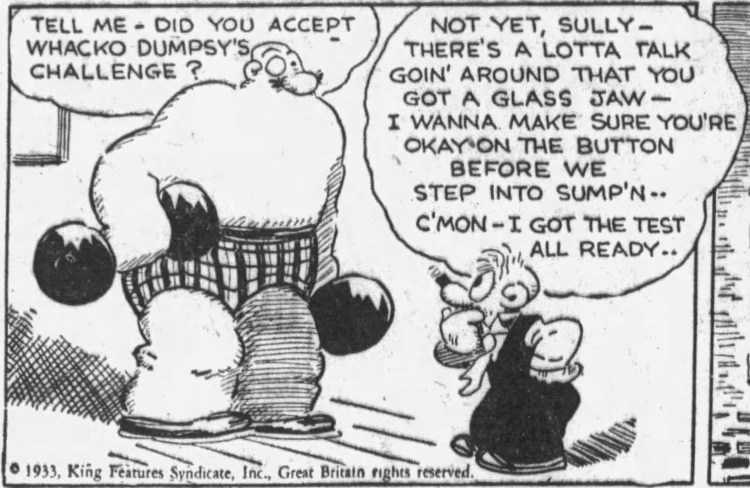
USA—1904 (boxing) a weak jaw that is easily broken—1914 (allegorical) preceded by the adjective ‘moral’—1931 (figurative) a vulnerable point—synonym: ‘china chin’
Read More1999—a cold as experienced by a man who is regarded as exaggerating the severity of the symptoms—popularised by British magazine Nuts in 2006
Read MoreUK, 1892—postdates by several years variants such as ‘eat an apple on going to bed, and you will keep the doctor from earning his bread’
Read More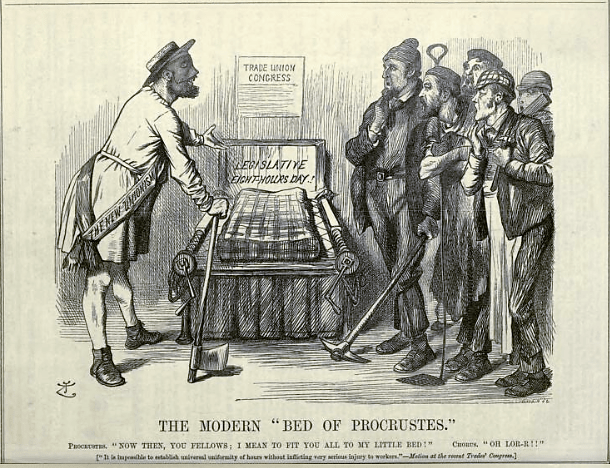
a means of enforcing conformity—Greek mythology: Procrustes was a robber who made his victims fit a bed by either stretching them longer or cutting them shorter
Read More word histories