original meaning of ‘cretin’: ‘Christian’, ‘human being’
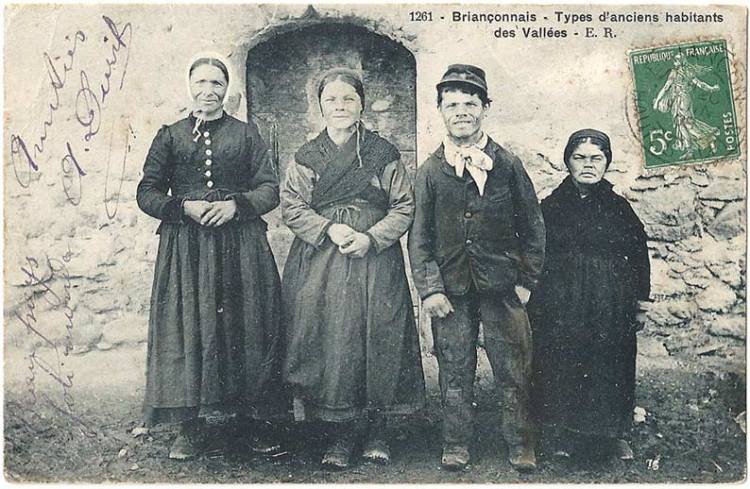
Swiss-French ‘crestin’ (= ‘Christian’): in certain valleys of the Alps, a mentally deficient, deformed person suffering from a congenital thyroid deficiency
Read More
“ad fontes!”
Swiss-French ‘crestin’ (= ‘Christian’): in certain valleys of the Alps, a mentally deficient, deformed person suffering from a congenital thyroid deficiency
Read More
The word ‘folklore’ was coined in 1846 by the British author William John Thoms, inspired by Jacob and Wilhelm Grimm’s anthology of German fairy tales.
Read More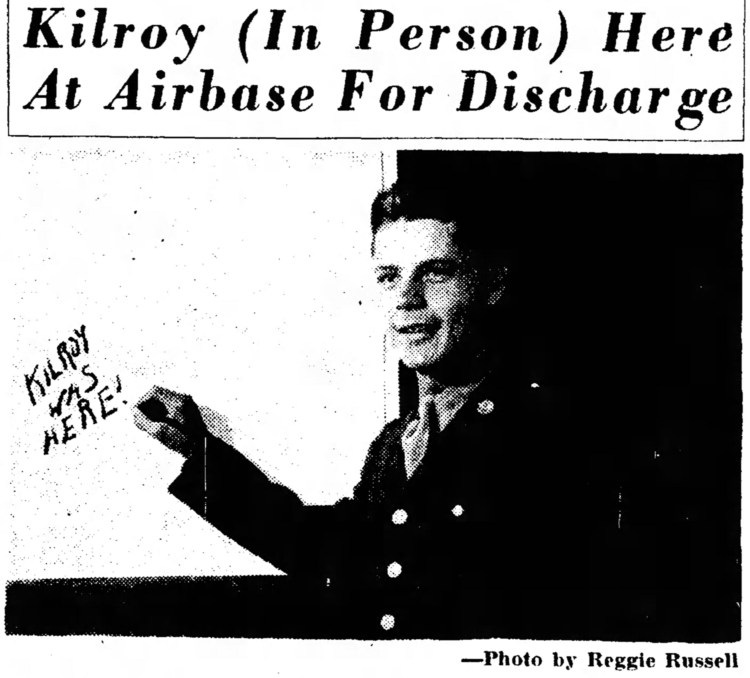
Sgt Francis J. Kilroy’s surname, first written in 1943 by his friend Sgt James Maloney (source: Army Public Relations, in the Tucson Daily Citizen, 8 Nov. 1945)
Read More
first recorded at Kearns air force base and Salt Lake City, both in Utah, in June and July 1945; originally seen merely as an amusing legend
Read More
UK, 1826—from the eponymous character played by John Liston in a comedy by John Poole, which premiered at the Haymarket Theatre, London, on 13th September 1825
Read MoreWith words denoting some specified deficiency in a desirable or standard quantity of something, ‘short of a ——’ means ‘mentally deficient’, ‘slightly crazy’.
Read Morefrom ‘to lose a sheep for a halfpennyworth of tar’—refers to the use of tar to protect sores and wounds on sheep from flies (‘sheep’ was pronounced ‘ship’)
Read More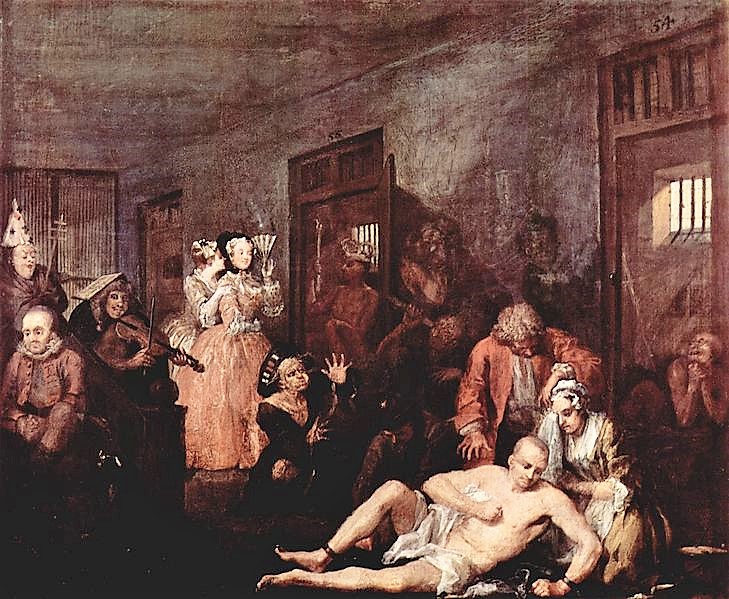
late Middle English—early form of ‘Bethlehem’, originally referring to the Hospital of St. Mary of Bethlehem in London, used as an institution for the insane
Read Morelate 17th century—probably based on the resemblance between the shape of the heart and that of a cockleshell – or of the body the shell protects
Read More
British, 1810—to use one’s greater age or experience to deceive someone or to shirk a duty—from ‘old soldier’ meaning ‘a person much experienced in something’
Read More word histories