‘(just) what the doctor ordered’ (exactly what is needed)
‘(just) what the doctor ordered’: very beneficial or desirable under the circumstances—origin: USA, second half of the 19th century
Read More
“ad fontes!”
‘(just) what the doctor ordered’: very beneficial or desirable under the circumstances—origin: USA, second half of the 19th century
Read MoreUSA, 1979—acronym from ‘not in my back yard’—first used in ‘the Nimby syndrome’ with reference to the disposal of nuclear waste
Read More
UK, 1849—in the medical profession, appearances, among which a good bedside manner, prevailed over qualifications
Read More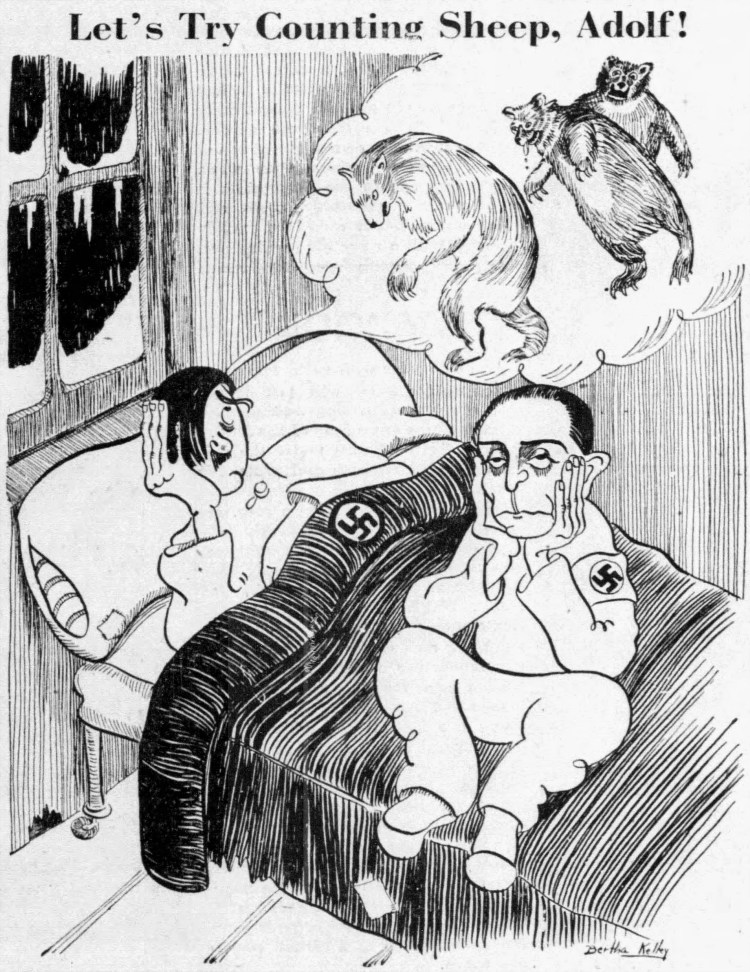
‘to count sheep’ (French ‘compter les moutons’): to count imaginary sheep jumping over an obstacle one by one, as a way of sending oneself to sleep
Read More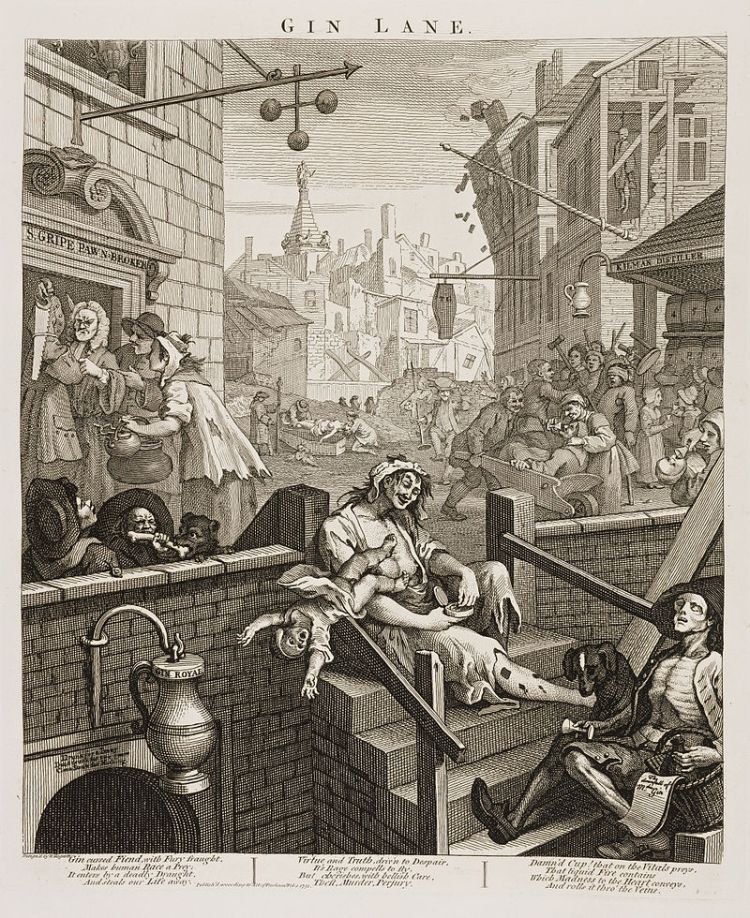
probably refers to pregnancy as an awkward condition, the image being apparently of an uncomfortable position at the top of a pole
Read Moredenotes extreme quickness of movement—the use of ‘greased’ likens lightning to a machine that a mechanic has lubricated in order to minimise the friction and make it run easily
Read Morefirst recorded in The Biglow Papers (1848), by American author James Russell Lowell—based on the notion of leaving one’s hat behind in a rush of impetuosity
Read More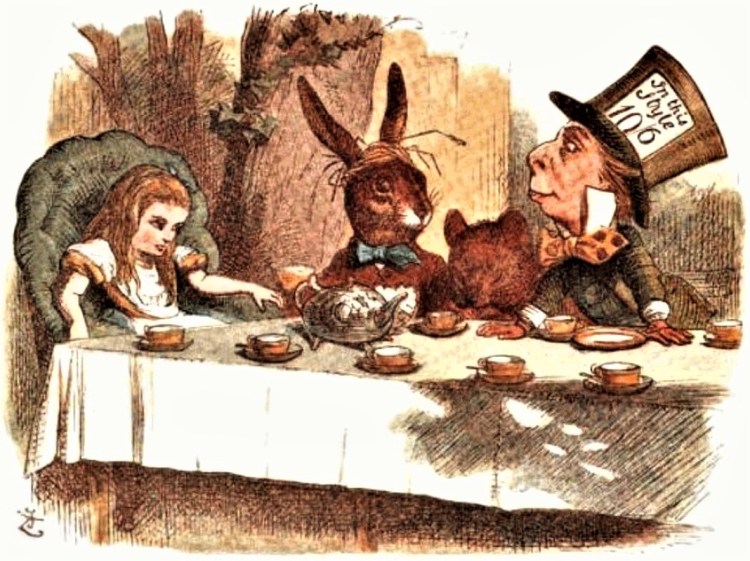
to be insane—late 19th century—originated in the fact that in 19th-century productions of Shakespeare’s ‘Hamlet’, Ophelia appeared with straws in her hair in her ‘mad scene’
Read More‘a snowball’s chance in hell’: no chance at all (USA, 1880)—elliptically, ‘a snowball’s chance’ (USA, 1895)—in the 1880s, ‘a snowball in hell’ was also used as a term of comparison to denote something that disappears rapidly
Read Moremeaning: ‘thoroughly dejected or disappointed’—appeared (1973) in Tyne and Wear (north-eastern England)—originated apparently in football parlance, in which it soon became a cliché
Read More word histories