‘to cast nasturtiums’: meaning and origin
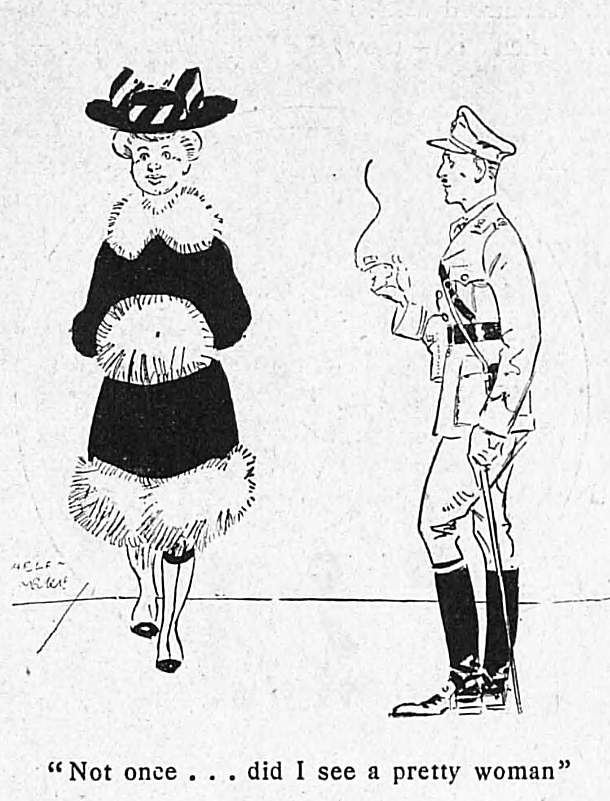
a deliberate malapropism punning on ‘to cast aspersions on’—UK, 1902—nasturtiums are low plants with large round leaves and orange, red or yellow flowers
Read More
“ad fontes!”
a deliberate malapropism punning on ‘to cast aspersions on’—UK, 1902—nasturtiums are low plants with large round leaves and orange, red or yellow flowers
Read Moreto praise oneself—first used by Benjamin Franklin in 1729—the image is that, when one’s trumpeter is dead, one is forced to find one’s own trumpet
Read Morea person regarded as good-natured but also not ‘bright’ intellectually—UK, 1981—Australia, 1982—USA, 1986
Read Moreexpresses distrust at air or sea travel—USA, 1926—with a pun on ‘terror’, jocularly decouples from each other the components of ‘terra firma’ (firm land)
Read More
USA, 1951—rhetorical question used ironically as a response to a question or statement felt to be blatantly obvious
Read More
nourish your husband—1882 in ‘Vanity Fair’ (London)—popularised in 1885 by a cartoon by George du Maurier, published in ‘Punch, or the London Charivari’
Read More
USA, 1936—serves as a mnemonic for remembering to set the clocks when daylight-saving time comes into effect and when it ends
Read More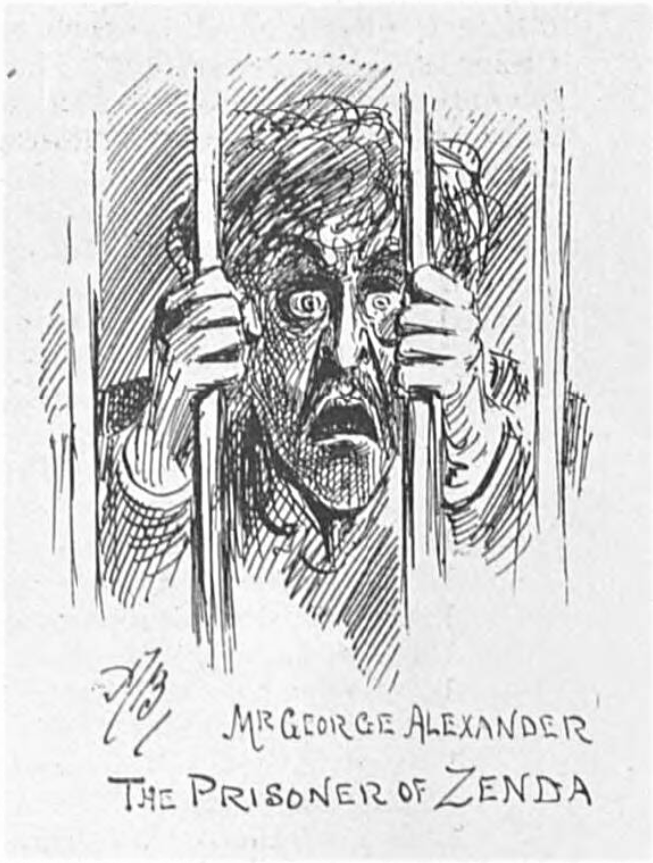
from The Prisoner of Zenda (1894), set in the fictional kingdom of Ruritania—UK, 1896: romantic adventure and intrigue; any imaginary or hypothetical country
Read More
Washington’s strategy was similar to that of Fabius Cunctator, who defeated Hannibal by avoiding decisive contests—the Fabian Society advocates gradual reforms
Read More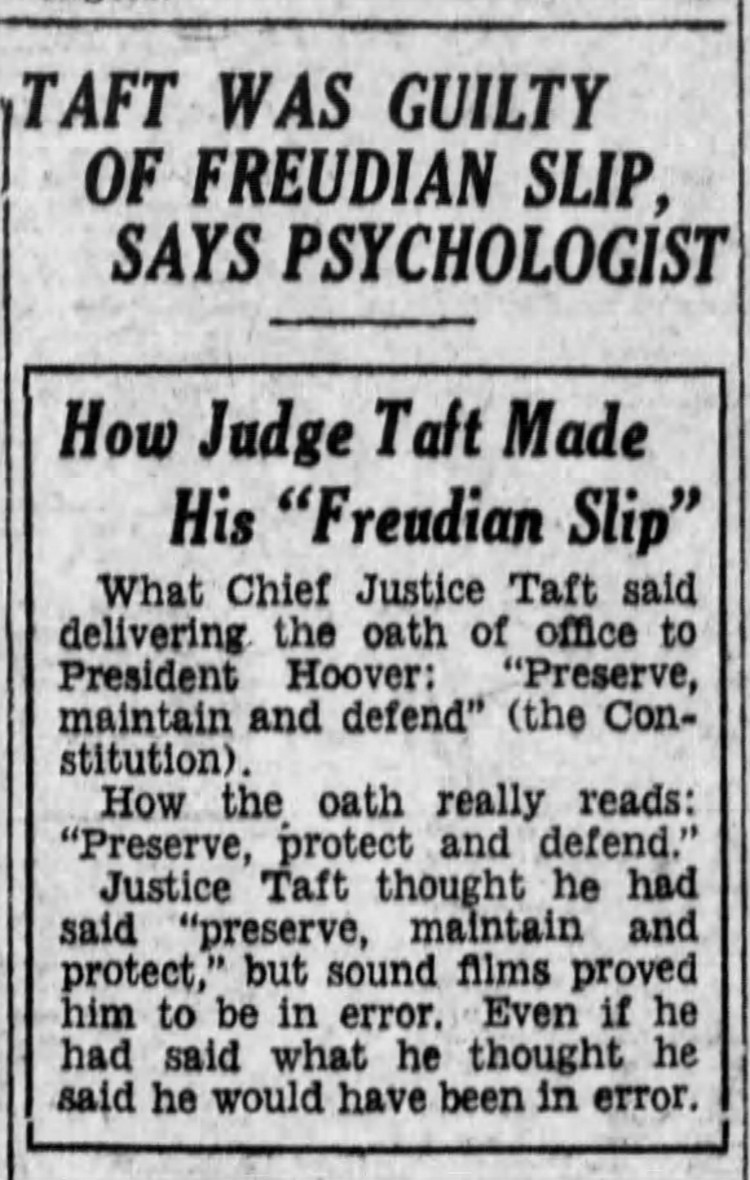
USA, 1927—a slip of the tongue by which the speaker reveals an unconscious thought—named after Austrian neurologist and psychotherapist Sigmund Freud (1856-1939)
Read More word histories