the gods at the Comedy Theatre, London, 1949 source: Historic England – The Theatres Trust Via Middle French galerie, the noun gallery, attested in the late 15th century, is from the medieval Latin of Italy galeria, an alteration of medieval Latin galilaea, designating a porch at the entrance of a monastery’s church—hence English […]
The noun gooseberry denotes a round edible yellowish-green or reddish berry with a thin translucent hairy skin and the thorny shrub which bears these berries. Attested in the first half of the 16th century, it is probably based on Middle-French forms such as grosselle and groiselle (Modern French groseille), perhaps altered because of an unexplained […]
The noun marble, denoting a hard crystalline metamorphic rock resulting from the recrystallization of a limestone, is from Anglo-Norman forms such as marbre and marbelle, and from Old-French forms such as marbre, maubre and mabre, from classical Latin marmor. This Latin noun is from ancient Greek μάρμαρος (= mármaros), shining stone, marble, of […]
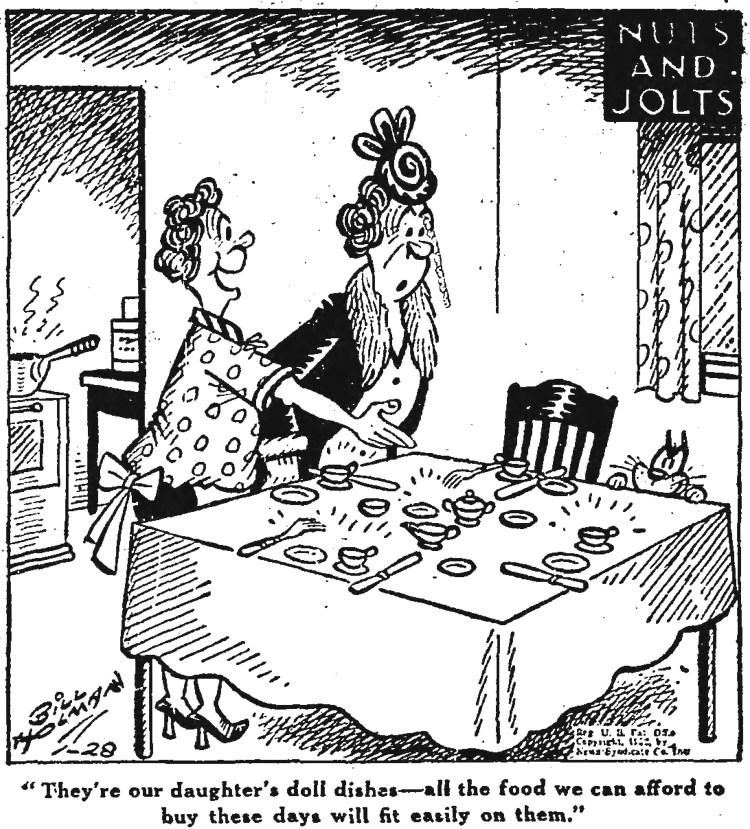
Politicians usually work with blue smoke and mirrors. What appears to be real is mostly an illusion, and what is unlikely turns out to be real. But sometimes, the blue smoke and mirrors don’t work. When you can’t produce a budget, you can’t call a news conference and pretend you did. from The News […]
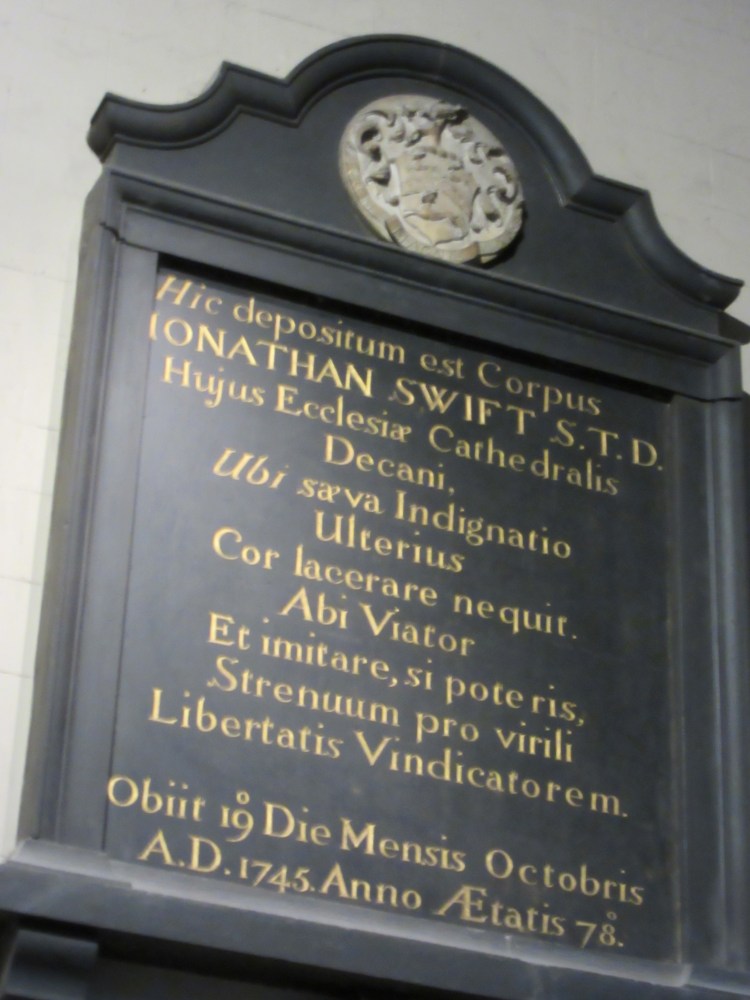
Jonathan Swift’s grave, marked by a simple brass plaque on the floor at the west end of St Patrick’s Cathedral, Dublin, is adjacent to that of his great friend in life, Stella (Esther Johnson – 1681-1728): plaques marking the graves of Jonathan Swift and Esther Johnson Latin sæva indignatio, meaning savage indignation, expresses a […]
The phrase hell hath no fury like a woman scorned is a misquotation from The mourning bride, a tragedy by the English playwright and poet William Congreve (1670-1729), produced and published in 1697: Vile and ingrate! too late thou shalt repent The base Injustice thou hast done my Love. Yes, thou shalt know, spite of thy past Distress, […]
Sir John Herschel The announcement last Friday of the death, at the age of 81, of the Rev. Sir John Herschel, Bart., which occurred at Observatory House, Slough, revives a host of memories of 18th century Bath. Sir John Herschel was the great-grandson of Sir William Herschel, the famous astronomer, who discovered from his scientific […]
MEANINGS – a person who habitually talks about others, especially maliciously – a conversation involving malicious chatter or rumours about other people – casual and idle chat – light easy communication ORIGIN This word is from the Old English noun godsibb, composed of god and the adjective sib(b), meaning akin, related (cf. the noun sibling, which is composed of sib and […]
The English adjective imbecile is, via French, from the Latin imbecillus, or imbecillis, meaning weak, feeble, in body or mind. In his etymological encyclopaedia Originum sive Etymologiarum (The Origins or Etymologies), the Spanish archbishop and Doctor of the Church St Isidore of Seville (circa 560-636) wrote that the literal meaning of the Latin adjective is quasi sine baculo, as though (walking) without a supporting staff. The […]
The expression to amputate one’s mahogany is a jocular elaboration on to cut one’s stick, which means to take one’s departure. The following definition is from A Dictionary of Modern Slang, Cant, and Vulgar Words (2nd edition – 1860), by the English publisher and author John Camden Hotten (1832-1873): Cut one’s stick, to be off […]





 word histories