origin and sense development of Anglo-Irish ‘bejesus’
1825, Anglo-Irish alteration of ‘by Jesus’—1867 as one word—‘the bejesus out of’ (1931) intensifies the action conveyed by the preceding verb
Read More
“ad fontes!”
1825, Anglo-Irish alteration of ‘by Jesus’—1867 as one word—‘the bejesus out of’ (1931) intensifies the action conveyed by the preceding verb
Read Morevery fast, or very hard—UK, 1942, RAF slang—alludes to the moving metal piece within a bell, which strikes it and produces the sound
Read More
Scotland, 1914: ‘buroo’, informal form of ‘bureau’ (generic sense)—later used specifically in the sense of Labour Bureau, hence of unemployment benefit (1921)
Read More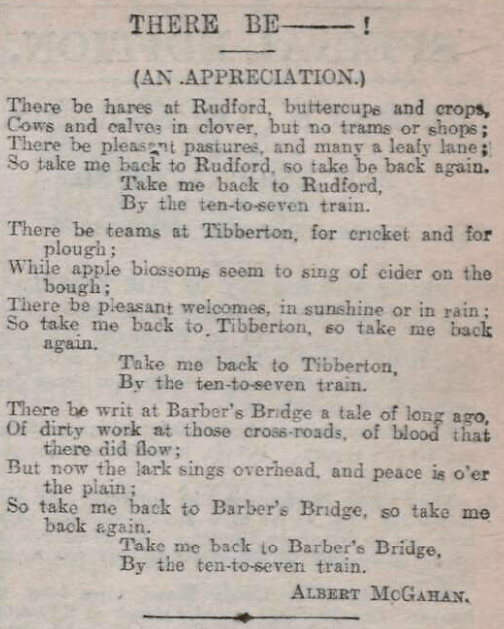
UK, 1906—dishonest or illicit dealings—probably alludes to crossroads as settings for sinister actions, in particular to their former use as burial places for suicides
Read More1892, as ‘mazed as a brish’ (Devon)—meaning: extremely stupid—possible origin: anything is daft that does all the hard work
Read MoreUSA, 1893—a negligible likelihood—might refer to the fact that the Chinese had little prospect of obtaining reparations for racial discrimination
Read MoreUK, 1755—loan translation from French ‘un mauvais quart d’heure’ (1710), which has also been used in English since 1830
Read More
Irish English, 1907—out of touch with reality—ultimately refers to the belief that the fairies spirit away human beings
Read MoreUK, 1930—‘as the bishop said to the actress’, ‘as the actress said to the bishop’: mischievously implies a sexual innuendo or ambiguity in a preceding innocent remark
Read MoreAttested in 1761, ‘as the crow flies’ originally referred to the interior of a country; it did not originate in a practice of early navigation at sea.
Read More word histories