The phrase to chop and change means to change one’s opinions or behaviour repeatedly and abruptly. Here, chop originally meant to barter, and change meant to make an exchange with; in other words, this was an alliterative repetitive expression, the two verbs having roughly the same meaning (cf. also, for example, the alliterative phrase to be part and […]
The spelling ‘ache’ (erroneously derived from Greek ‘ákhos’) instead of ‘ake’ is largely due to Samuel Johnson in A Dictionary of the English Language (1755).
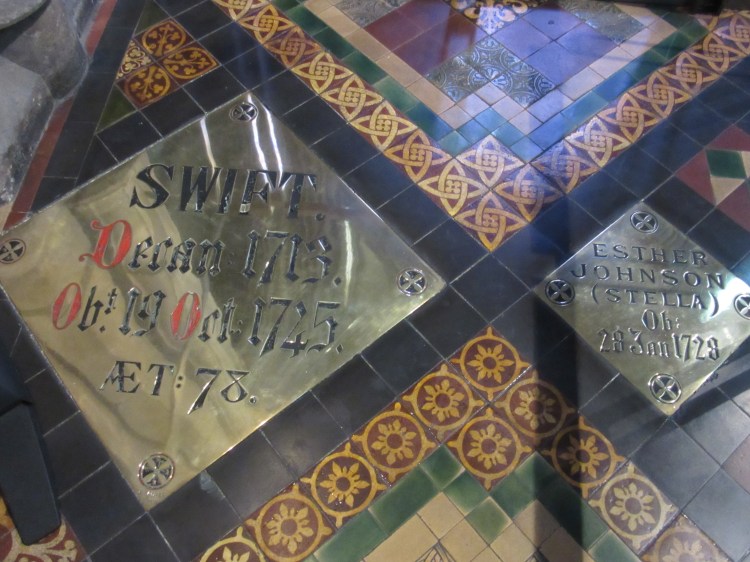
1711 in a letter by Jonathan Swift—perhaps from Ecclesiastes, 10:20: “a bird of the air shall carry the voice; and that which hath wings, shall tell the matter”
mid-17th cent. in the sense ‘brand new’—from ‘spick and span new’, extension of ‘span new’, from Old Norse ‘spán-nýr’, ‘as new as a freshly cut wooden chip’
refers to a person making a pact with the Devil: the heavy price has to be paid in the end—unrelated to the nautical phrase ‘the devil to pay and no pitch hot’


 word histories