a prim or affected facial expression or manner of speaking; affected mannerisms, superficial accomplishments—originally, in Little Dorrit (1857), by Charles Dickens, a phrase spoken aloud in order to form the lips into an attractive shape
a woman who had no qualities other than attractiveness, with connotations of low intelligence, or of flightiness, or of low social status and poverty—second half of the 19th century, chiefly in stories by women writers
something of no value, something to which one is utterly indifferent—UK, 1785—derives from a misinterpretation of “Worth makes the Man, and Want of it the Fellow;/The rest, is all but Leather or Prunella.” in An Essay on Man (1734), by Alexander Pope
a country characterised by absurdity—originally used of Czechoslovakia—the suffix ‘-istan’ (in country names such as ‘Pakistan’) is used as the second element in satirical names denoting, in particular, ‘a country characterised by [the first element]’
suicide committed by a person, especially a child or young adult, as a result of being bullied—blend of the nouns ‘bully’ and ‘suicide’—coined since 2001 on separate occasions by various persons, independently from one another
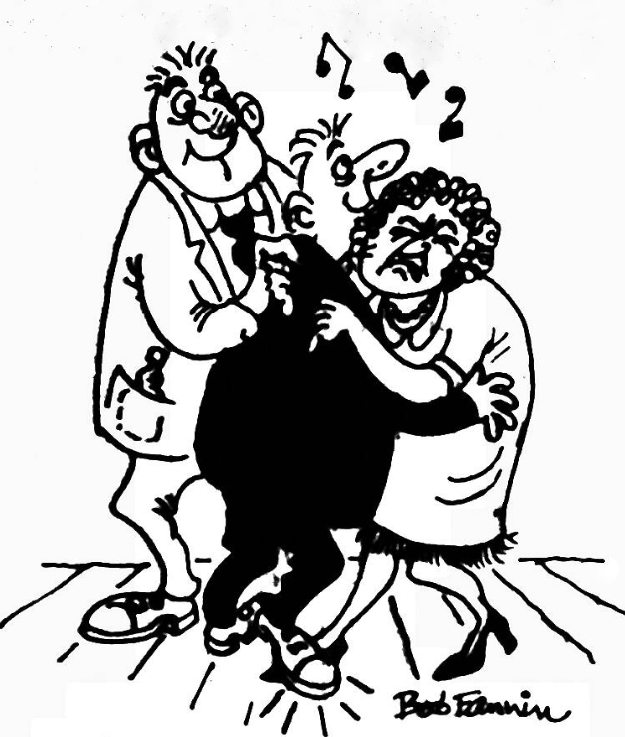
UK, 1972—the nouns ‘granny-bashing’ and ‘granny-battering’ denote: a) the assault or mugging of elderly persons; b) abuse of an elderly member of one’s family, especially one’s grandmother