‘nation of shopkeepers’: meaning and origin
UK, 1759: first applied to Japan—1794 (during the French Revolution): the disparaging use in reference to Britain was popularised by the French phrase ‘nation boutiquière’
Read More
“ad fontes!”
UK, 1759: first applied to Japan—1794 (during the French Revolution): the disparaging use in reference to Britain was popularised by the French phrase ‘nation boutiquière’
Read Moreof a vessel: to advance steadily under a favourable wind, without having to change tack or sail—UK, 1807, in reference to the voyage from the Cape of Good Hope to the remote South-Atlantic island of St. Helena
Read Moreto live in excessively close proximity or interdependence—1762: “the company squeezed themselves into one another’s pockets” in a letter by Horace Walpole
Read MoreUK, 1822—a vituperative gossip, a scandalmonger; an evil or malicious tongue—a borrowing from French ‘mauvaise langue’ (literally ‘bad tongue’) of same significations
Read Morealso, and originally (1729), ‘to make a long story short’: to be brief or concise—this phrase is typically used as a sentence adverbial, with the sense: in short, in summary, briefly
Read More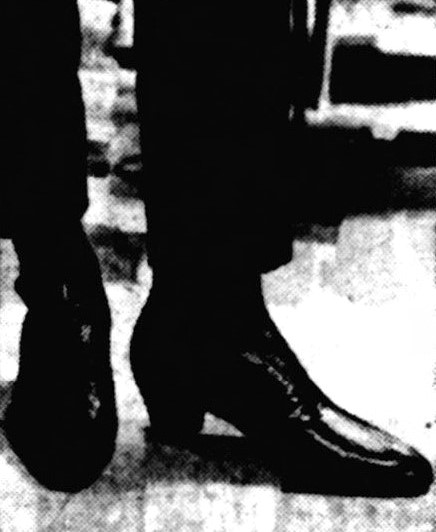
UK & Ireland, 1963—a type of ankle boot worn by men, that was popularised by the Beatles
Read Moreearly 19th century—pandemonium, great trouble or difficulty—often in ‘to kick up hell’s delight’, meaning: to cause a great deal of trouble or difficulty
Read More(UK, 1775): a dance blindfold among eggs—hence, figuratively (UK, 1856): an intricate and difficult task—also used as a verb
Read MoreUK, 1874—the noun ‘long trousers’ is used in reference to the wearing of long rather than short trousers as a mark of increasing maturity
Read Moredominated by a woman or by women—UK, 1809—past participle of ‘ride’, ‘ridden’ combines with nouns to form adjectives meaning: afflicted, affected or dominated by something or by someone specified
Read More word histories