‘not to put a foot wrong’: meaning and origin
to make no mistakes at all—UK, 1864—this phrase was originally used of racehorses and hunting horses
Read More
“ad fontes!”
to make no mistakes at all—UK, 1864—this phrase was originally used of racehorses and hunting horses
Read More(literally): to fall heavily; (figuratively): to fail completely—UK, 1847—‘cropper’ may be derived from ‘crop’ in the phrase ‘neck and crop’ (1791), which originally referred to a heavy fall
Read Moreused of a person who is frozen with fright or surprise, or is trying to flee, as a result of suddenly becoming the focus of attention—alludes to the habit of deer and rabbits of stopping still when dazzled by the headlights of a motor vehicle, or of running away within the headlight beam
Read MoreUSA, 1942—over-ready to shoot at anything at any time or on slight provocation—during and following WWII, ‘happy’ was used as the second element in compound adjectives relating to mental instability associated with the first element
Read MoreThe noun ‘armchair’ is used as an attributive modifier meaning: 1) based or taking place in the home as opposed to the world or environment outside; hence, chiefly depreciatively: 2) lacking or not involving practical or direct experience of a particular subject or activity.
Read Morebe totally focused on your objective—USA — already well established in 1932—originated in the image of God’s watchful eye upon the sparrow, with reference to the gospel of Matthew, 10:29-32
Read MoreUSA, 1883—exclamation of surprise at seeing something or somebody unexpected—alludes to a hunter who will lament seeing all sorts of game when he goes out into the woods and fields without his gun
Read More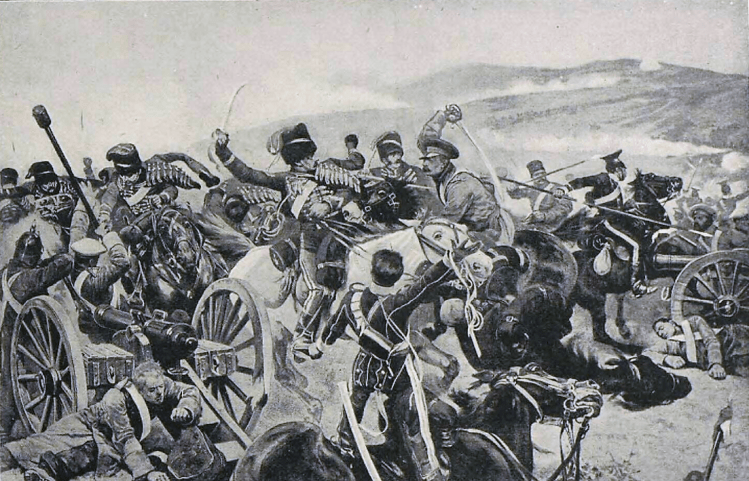
alludes to a British cavalry charge in 1854 during the Battle of Balaclava in the Crimean War—the phrase has had a variety of meanings, depending on the acceptation in which ‘charge’ has been used
Read Moreaddressed to a poor horseman—means ‘get out of the public view and hide in shame’—UK, 1842
Read More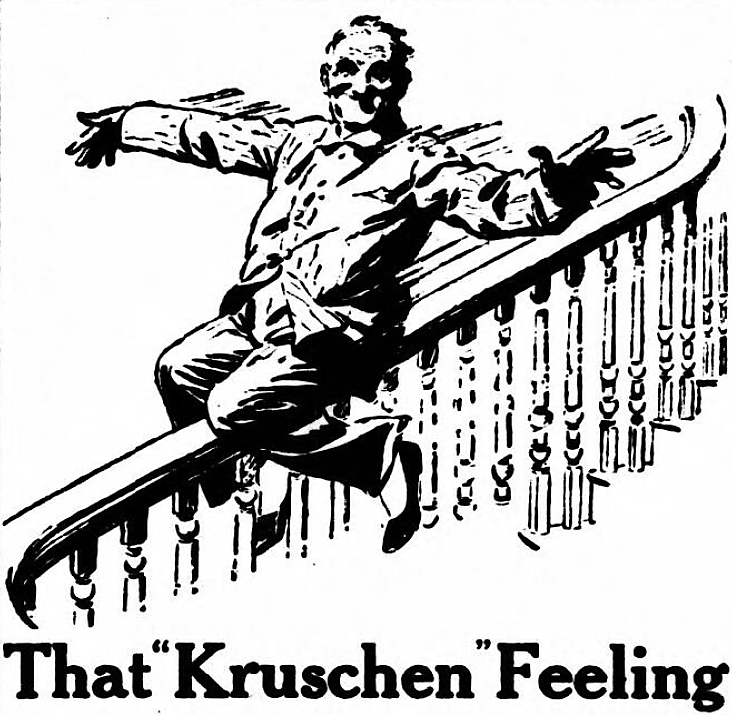
great vitality, enthusiasm and liveliness—UK, 1922—originally (from 1921 onwards) used in the advertisements for Kruschen Salts
Read More
