photograph from When exercise is dangerous: Endurance races risky for group sometimes called ‘middle-aged men in Lycra’ – the Chicago Tribune (Chicago, Illinois) – 17th July 2013 The word MAMIL is an acronym from the initial letters of middle-aged man in Lycra, probably punningly after mammal. Humorous and somewhat depreciative, it denotes a middle-aged […]
Of American-English origin, Simon says denotes a children’s game in which players must obey the leader’s instructions only if they are prefaced with the words Simon says; it also denotes the command itself. The name Simon was probably chosen for alliterative effect (Simon says). —Synonymous phrase: O’Grady says. The earliest instance of the phrase Simon […]
The informal British phrase to chance one’s arm means to undertake something although it may be dangerous or unsuccessful. Its origin is unclear. The earliest use that I have found is from How our blue-jackets are fed, an article about the “diet of the British sailor at sea” published in The Weekly Telegraph […]
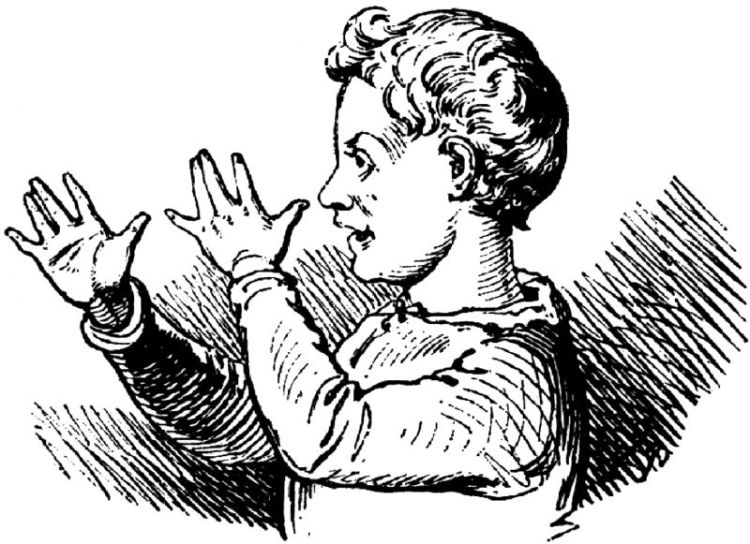
The phrase to cock (also to cut, to pull) a snook, or snooks, means: – literally: to make a gesture of derision by putting one’s thumb to one’s nose and outspreading the fingers; this gesture can be intensified by joining the tip of the little finger to the thumb of the other hand, whose fingers are […]
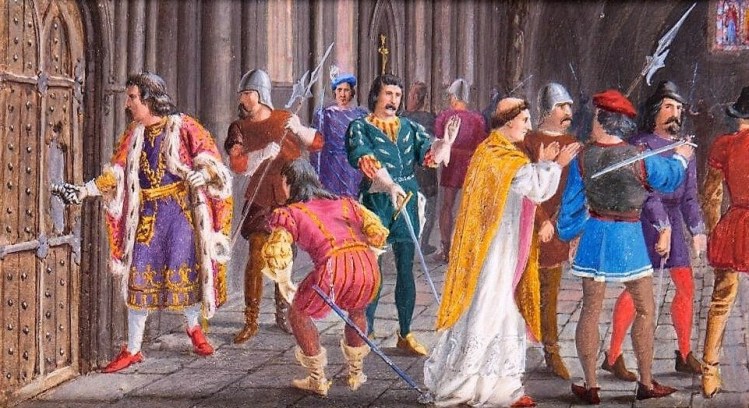
In the USA, cocked hat denoted a game similar to ninepins, except that only three pins were set up, in triangular position. It took its name from cocked hat in the sense of a hat with the brim permanently turned up (i.e. cocked), especially the three-cornered hat of this shape worn at the end […]
Sir John Herschel The announcement last Friday of the death, at the age of 81, of the Rev. Sir John Herschel, Bart., which occurred at Observatory House, Slough, revives a host of memories of 18th century Bath. Sir John Herschel was the great-grandson of Sir William Herschel, the famous astronomer, who discovered from his scientific […]
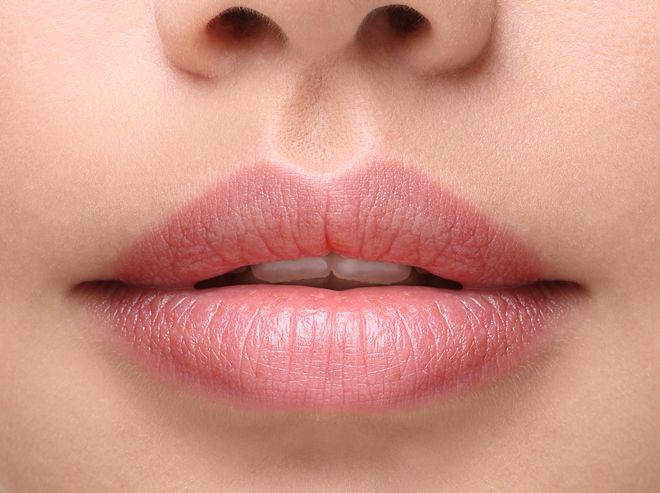
photograph: Google+ Communities The noun philtrum denotes the vertical groove between the base of the nose and the border of the upper lip. The literal and obsolete signification of this word, which appeared in the early 17th century, is love potion, from classical Latin philtrum, of same meaning. In post-classical Latin, philtrum came to also denote the dimple in the upper lip. It […]
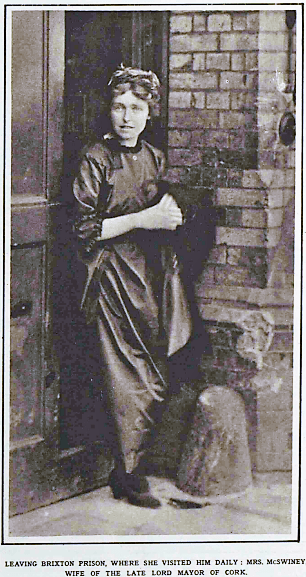
the Prisoners (Temporary Discharge for Ill-health) Act, 1913 – image: http://www.parliament.uk The Prisoners (Temporary Discharge for Ill-health) Act, 1913 was rushed through Parliament by Herbert Henry Asquith’s Liberal government in order to deal with the problem of hunger-striking suffragettes, who were force-fed, which led to a public outcry. The Act allowed for the […]
The phrase the cold shoulder denotes a show of intentional and marked coldness or of studied indifference. Because the two earliest instances of this phrase recorded in the Oxford English Dictionary (2nd edition – 1989) are from the Scottish novelist and poet Walter Scott (1771-1832) and do not refer to food, Robert Allen writes in Dictionary of English Phrases (2008) that […]
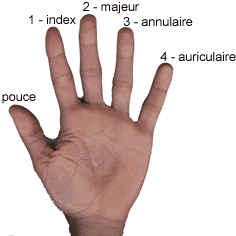
In the Etymologies (Etymologiarum sive Originum libri viginti), compiled between around 615 and the early 630s in the form of an encyclopaedia arranged by subject matter, St Isidore (circa 560–636), bishop of Seville and Doctor of the Church, wrote the following about the names of the fingers (the original Latin words are […]