‘wallflower’ | ‘faire tapisserie’: on the fringes of a dance
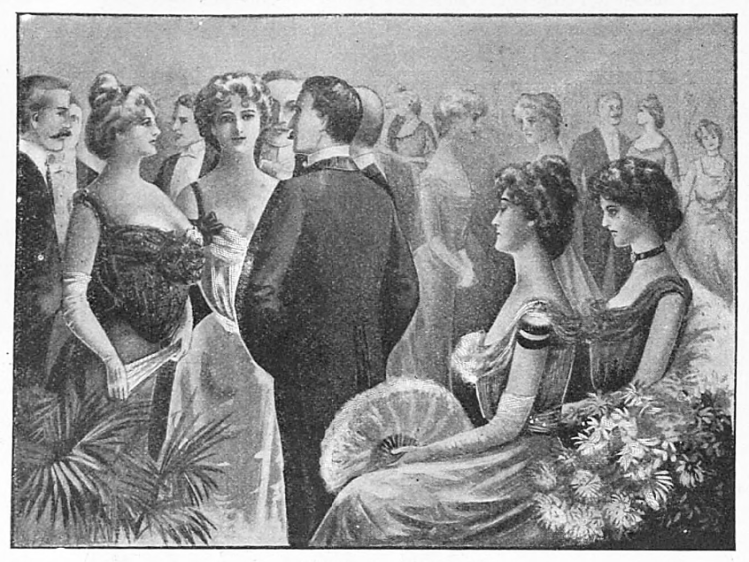
UK 1801 ‘wallflower’—France 1806 ‘faire tapisserie’ (= ‘to do tapestry’)—in both cases because the person keeps their seat at the side of a room during dancing
Read More
“ad fontes!”
UK 1801 ‘wallflower’—France 1806 ‘faire tapisserie’ (= ‘to do tapestry’)—in both cases because the person keeps their seat at the side of a room during dancing
Read More
originally a chat-up line that supposedly met a demand for originality (USA 1985)—while it soon became one of the favourite lines used by men, women loathe it
Read More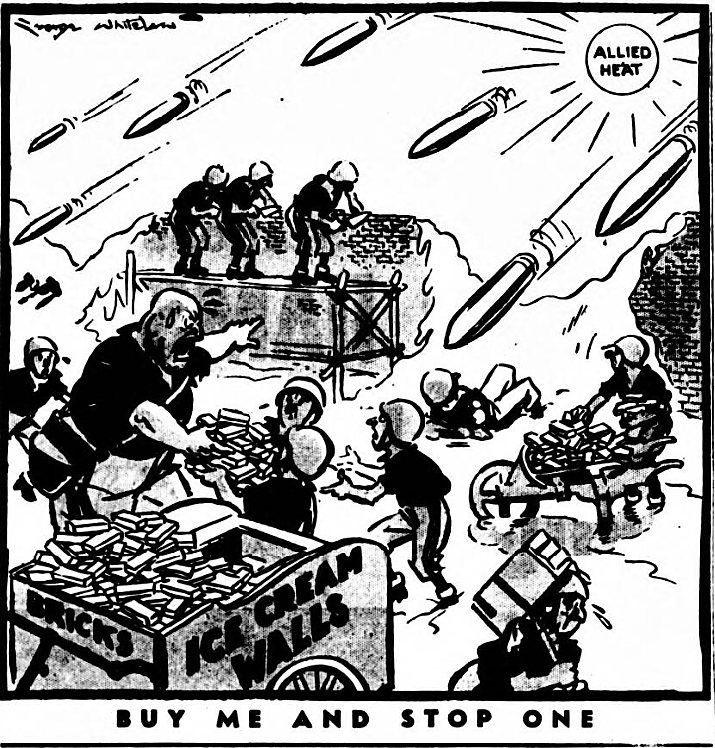
UK, 1970s: frequently scrawled on contraceptive-vending devices in public conveniences—reversal of ‘stop me and buy one’, Wall’s Ice Cream advertising slogan
Read More
nourish your husband—1882 in ‘Vanity Fair’ (London)—popularised in 1885 by a cartoon by George du Maurier, published in ‘Punch, or the London Charivari’
Read More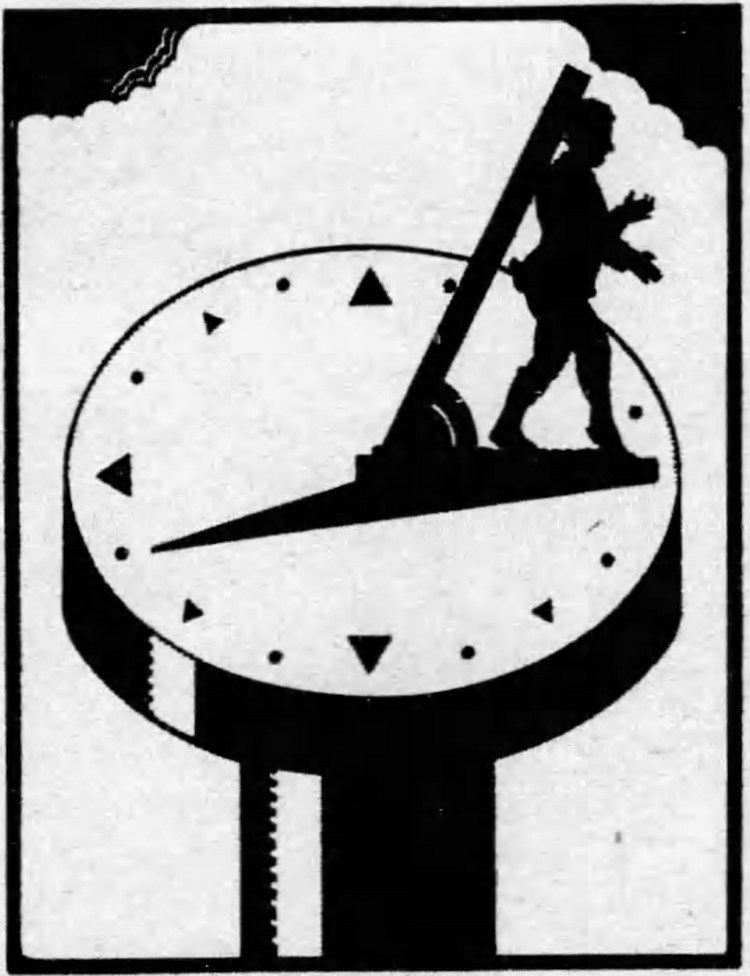
used as a jocular reply by a person who does not have a watch, when asked what the time is—also ‘half past a freckle’, ‘according to the hairs on my wrist’
Read More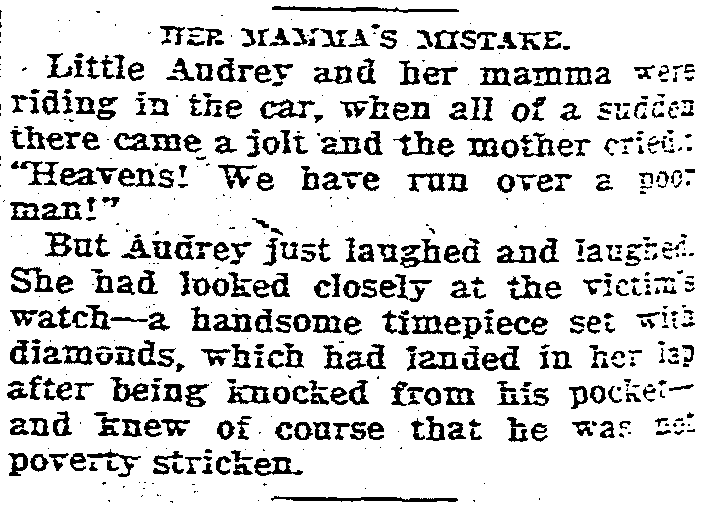
a joke involving a pun or double entendre opening with ‘but little Audrey just laughed and laughed because she knew’—January 1926, Kansas City Star (Missouri)
Read More
UK, mid-1950s—to set a course of exciting or dramatic events in motion—refers to firework instructions such as ‘light the blue touchpaper and retire immediately’
Read More
Britain and USA, early 1900s: over-elaborately dressed—since the mid-19th century, ‘like a Christmas tree’: overelaborateness, heterogeneousness, artificiality
Read More
January 1984—from a television advertisement for the hamburger chain Wendy’s, in which an elderly lady demands where the beef is in a huge hamburger bun
Read MoreUK, 1842—theatre: a long pause during the delivery of a speech—refers to the English actor William Macready (1793-1873), who was given to making long pauses
Read More word histories