‘to tap the Admiral’: meaning and early occurrences
applied to someone who will drink anything—UK, 1790—from the tale of the sailor(s) who stole spirits from the cask in which a dead Admiral was being preserved for interment in England
Read More
“ad fontes!”
applied to someone who will drink anything—UK, 1790—from the tale of the sailor(s) who stole spirits from the cask in which a dead Admiral was being preserved for interment in England
Read More1970—British and Irish English—acronym from the phrase ‘all coppers are bastards’—customarily written (tattooed in particular) rather than spoken
Read More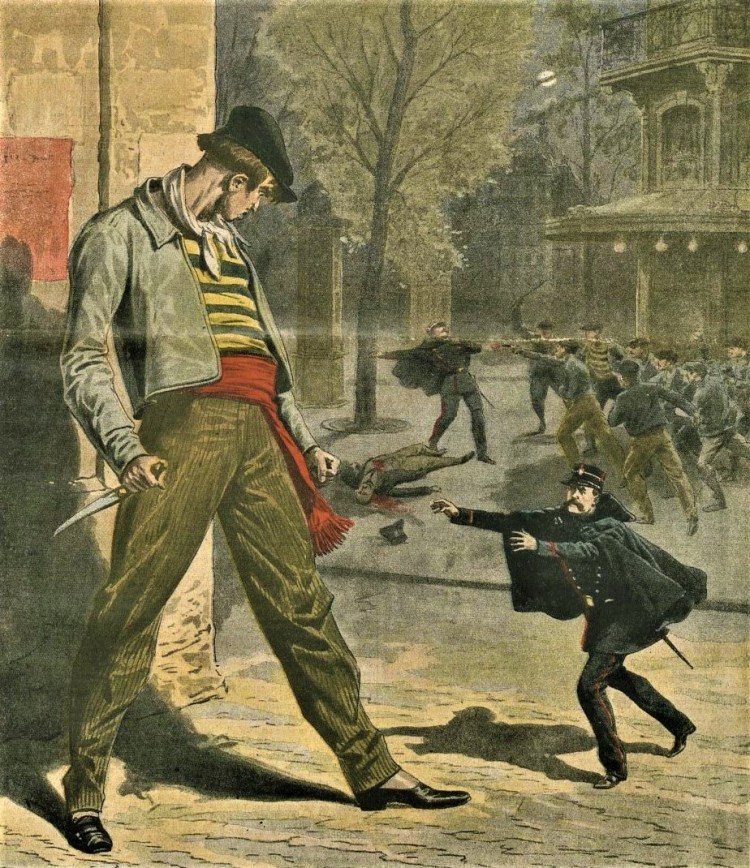
circa 1900: by association with the reputed ferocity of the North-American Indian people, ‘Apache’ came to designate a violent street ruffian in Paris
Read More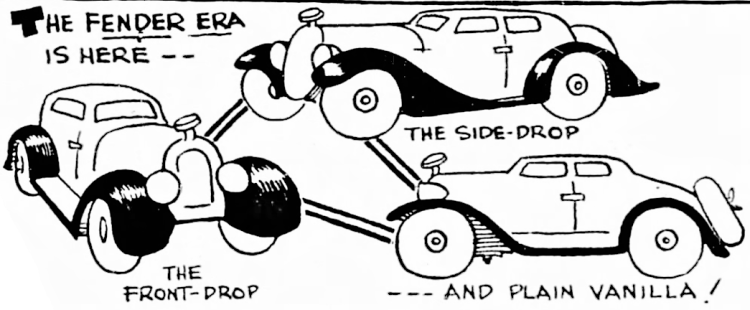
from the popular perception of vanilla as the ordinary, bland flavour of ice-cream—USA—‘plain vanilla’ 1934—‘vanilla sex’ 1960
Read More
a statement of praise or admiration—Australia, 1903—also used, in particular, by Irish author Brendan Behan (1923-1964)
Read MoreUK, 1808—elaboration on ‘accidents will happen’, meaning accidents will happen despite efforts taken to prevent them
Read More
children are inclined to eavesdrop; used as a warning (“children are listening”)—USA, 1901—perhaps a modification of synonymous ‘little pitchers have big ears’
Read More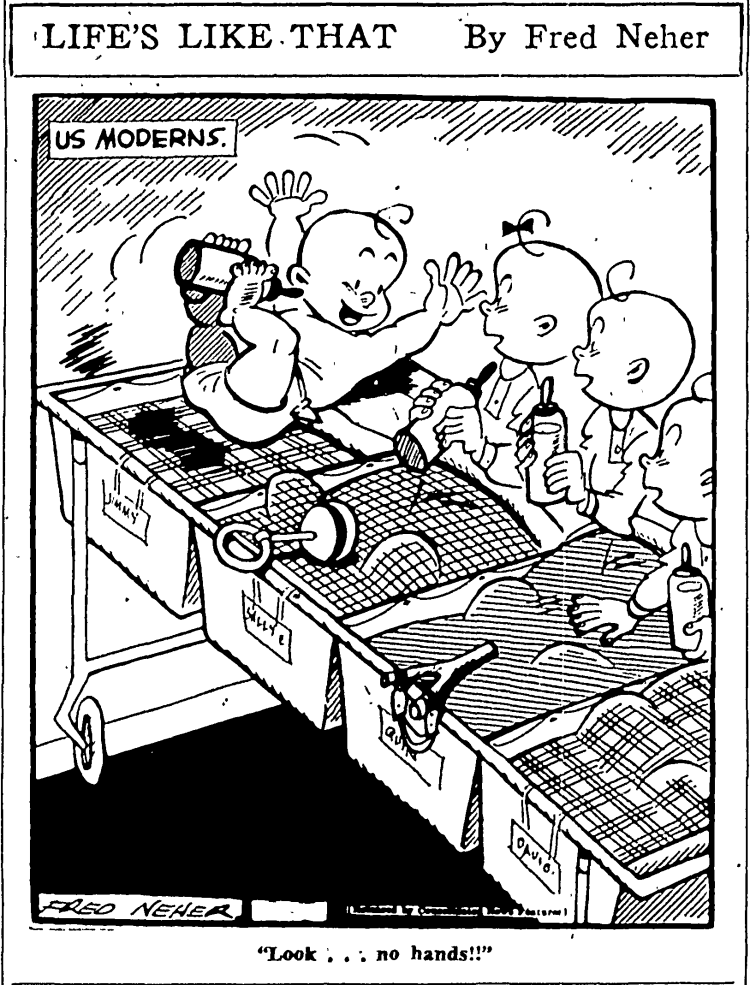
used of something done cleverly—British and American—originated as the proud exclamation of a child riding a bicycle with no hands on the handlebars
Read More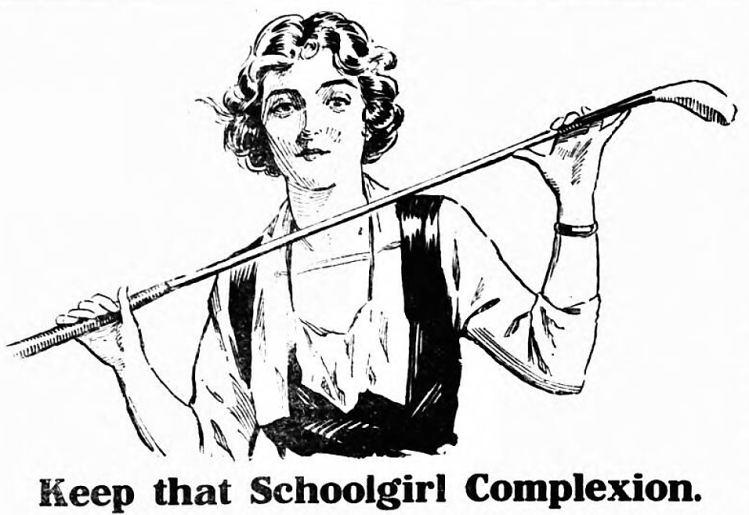
American English 1921–British and Irish English 1923—although it was already a cliché, ‘schoolgirl complexion’ was popularised by the advertising slogan for Palmolive Soap
Read More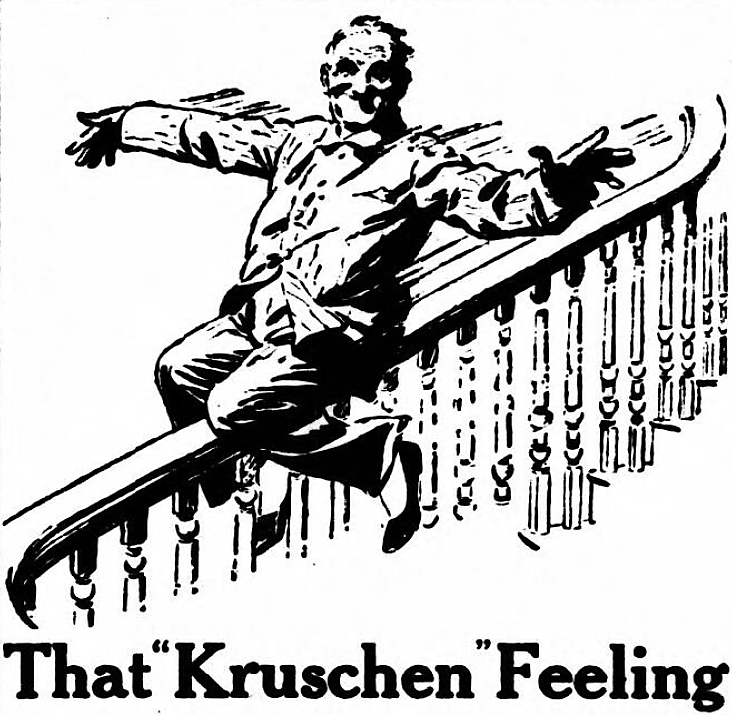
great vitality, enthusiasm and liveliness—UK, 1922—originally (from 1921 onwards) used in the advertisements for Kruschen Salts
Read More word histories