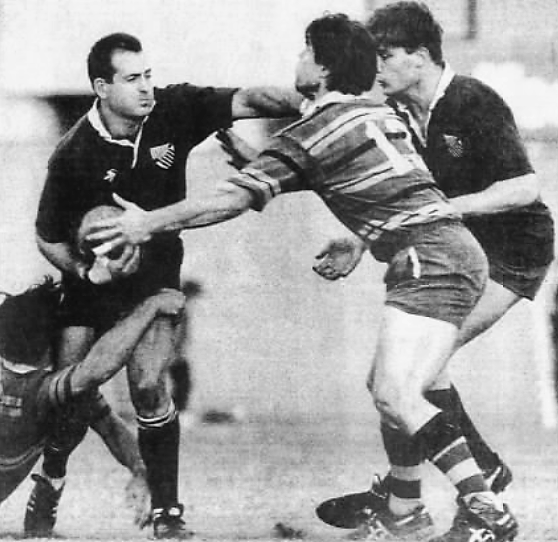
Australia, 1914—the straight-arm fend-off—from advertisements for J. C. Hutton Pty Ltd, depicting a man putting a hand in another man’s face and saying “Don’t argue—Hutton’s bacon is the best”
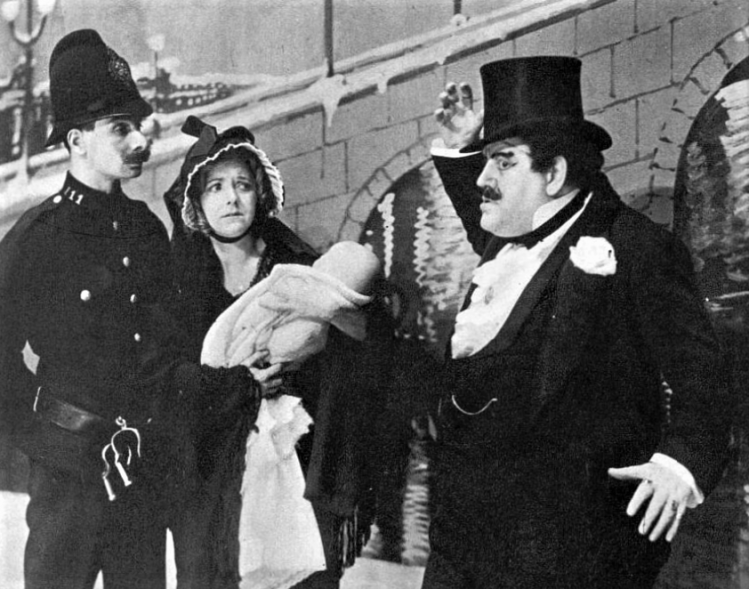
used to characterise melodrama—from the words said over her dead child by Lady Isabel in East Lynne (1874), T. A. Palmer’s stage play adapted from the 1861 novel by the English author Mrs. Henry Wood (Ellen Price)
UK, 18th century—addressed to one who stands between the speaker and the light of a window, a lamp, a candle or a fire, or, more generally, to one who obstructs the speaker’s view
UK, 1823 as ‘calf’s head is best hot’, defined by John Badcock as “the apology for one of those who made no bones of dining with his topper on” in Slang. A Dictionary of the Turf, the Ring, the Chase, the Pit, of Bon-ton, and the Varieties of Life
1951—with pun on the noun ‘camp’ (i.e.: encampment): extremely camp (i.e.: ostentatiously and extravagantly effeminate; deliberately exaggerated and theatrical in style)
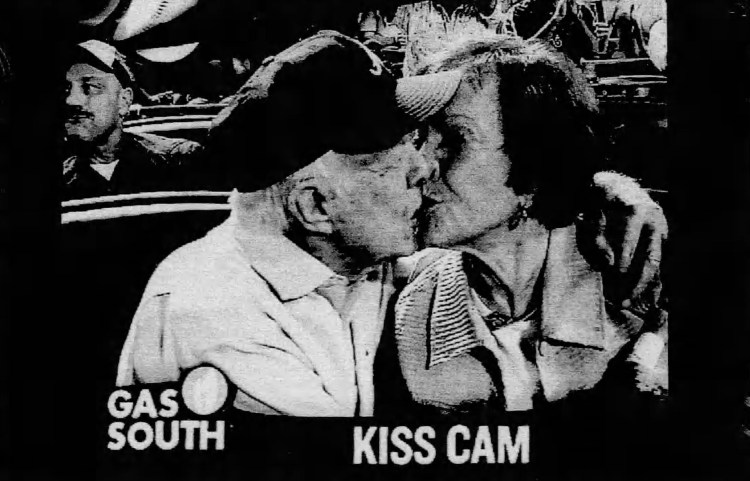
a word in confidence—UK, 1927—‘shell-like’ elliptical for ‘shell-like ear’, which was originally a poetical term associating the shape of the external ear with the graceful convolutions of a small pink seashell
dirty fingernails—1906—British and Irish English—but the comparison between the dirt edging the fingernails and the black border edging mourning paper dates back to the 19th century
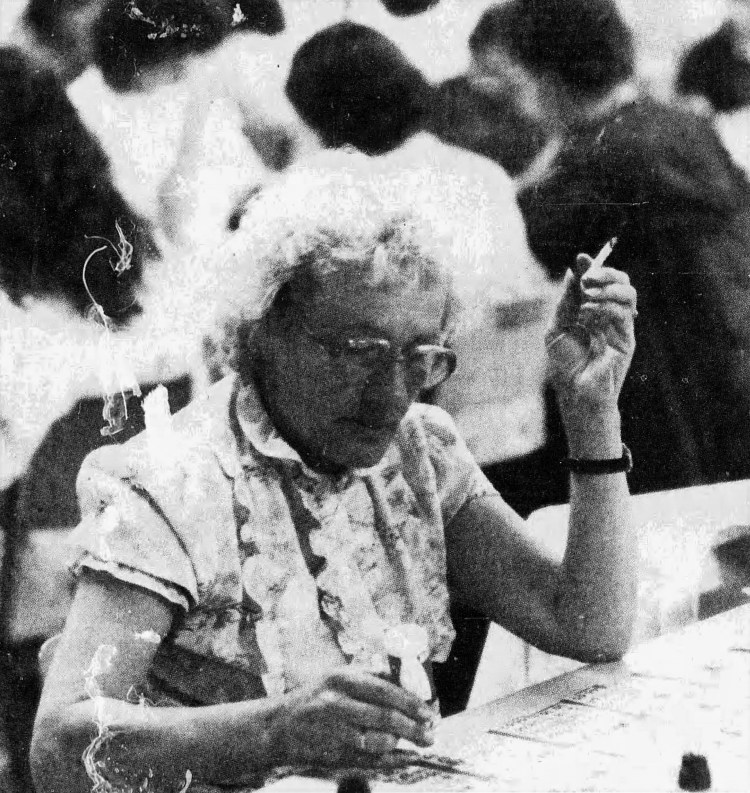
USA, 1992—the folds of loose skin or fat which hang from the undersides of a person’s upper arms—so named because they are common in older women, who are regarded as the type of person most likely to play bingo


 word histories