‘dad-dancing’: meaning and origin
UK, 1996—an awkward, unfashionable or unrestrained style of dancing to pop music, as characteristically performed by middle-aged or older men
Read More
“ad fontes!”
UK, 1996—an awkward, unfashionable or unrestrained style of dancing to pop music, as characteristically performed by middle-aged or older men
Read MoreUK, 1830—In ‘eligible bachelor’, the adjective ‘eligible’ means ‘suitable as a partner in marriage’.
Read MoreUSA, 1893—the part of a town or city in which prostitution and other commercial sexual activities are concentrated—originally used of Louisville, Kentucky—from the use of a red light as a sign outside a brothel
Read More‘butterfingered’, adjective, 1615: having a tendency to let things fall or slip from one’s hands—also (English, regional) unable or unwilling to handle hot items with one’s bare hands—‘butterfingers’, noun, 1835: a butterfingered person, a person with a tendency to let things fall or slip from his or her hands
Read MoreIreland, 1889—emphasises the truthfulness and sincerity of what one is saying—derives from a children’s oath which involved licking a finger, drying it, and drawing it across the throat while saying “My finger’s wet. My finger’s dry. Cut my throat if I tell a lie.”
Read MoreThe humorous expression ‘elbow grease’ (1639) denotes vigorous physical labour, especially hard rubbing. The corresponding French expression is ‘huile de coude’ (1761), literally ‘elbow oil’.
Read MoreNorthern England—a filled or open sandwich—originally (1827): a slice of bread spread with butter—composed of ‘butt-’, from the noun ‘butter’, and the suffix ‘-y’, forming diminutive nouns
Read More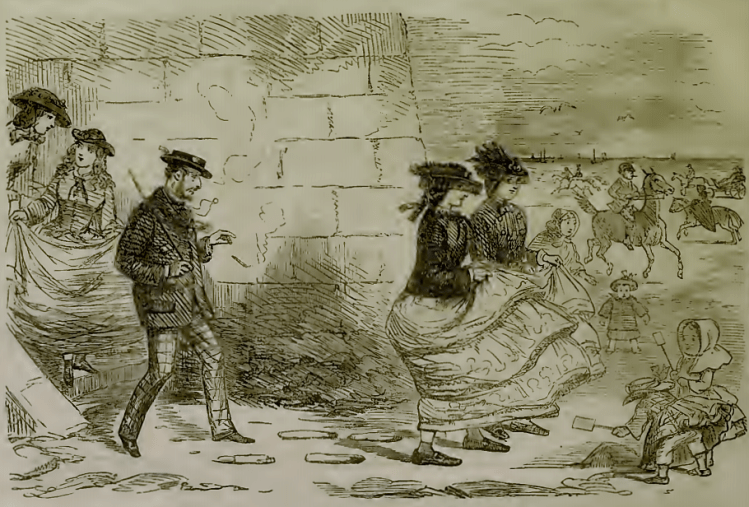
denotes a foot or a boot, especially a big one—1856, in the caption to a cartoon by John Leech, published in Punch (London, England): “A vulgar and disgusting expression, implying that a foot is big enough, and flat enough, to kill Black-beetles”
Read More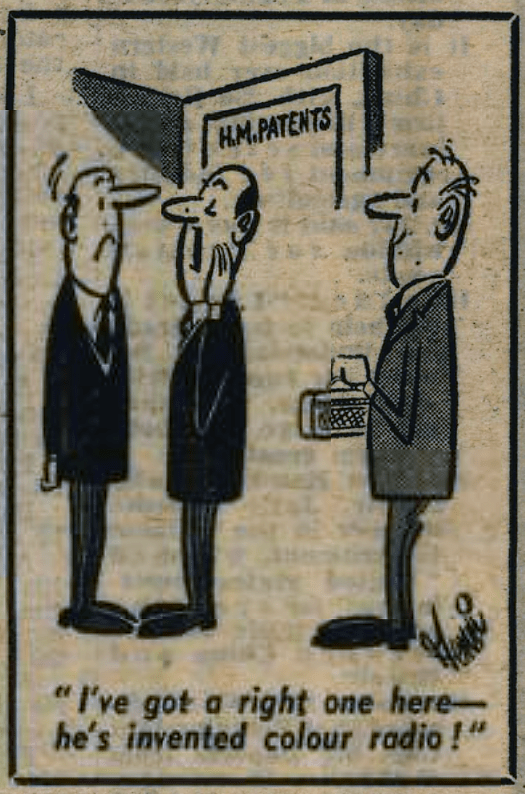
UK, 1958—The phrase ‘we’ve got a right one here’ is used of an odd person or of an idiot. Typically, the speaker uses this phrase when talking to someone about a third party.
Read More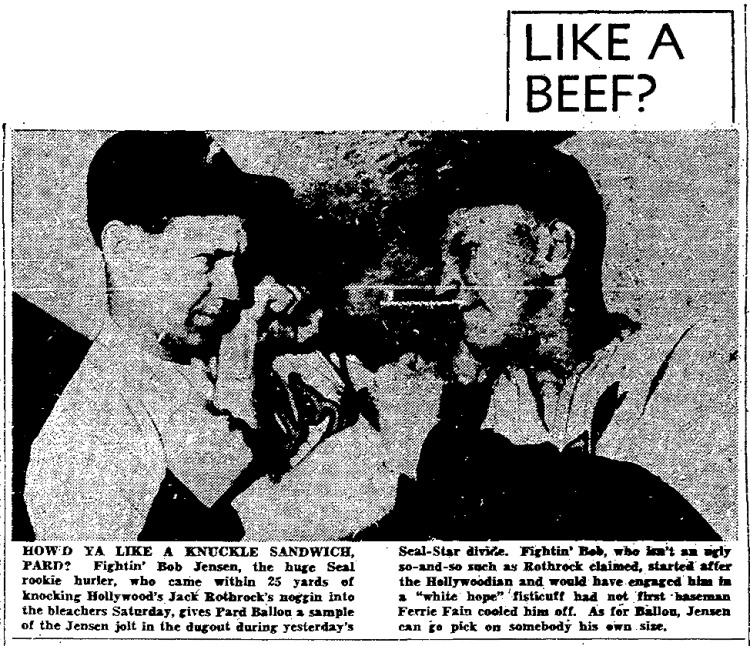
‘knuckle-sandwich’ USA, 1940—‘knuckle-butty’ UK, 1972—a punch to the mouth (or to the stomach)—the image is of a sandwich of knuckles being forced into the mouth (or into the stomach) of the person who is punched
Read More word histories