‘pipsqueak’: meanings and origin
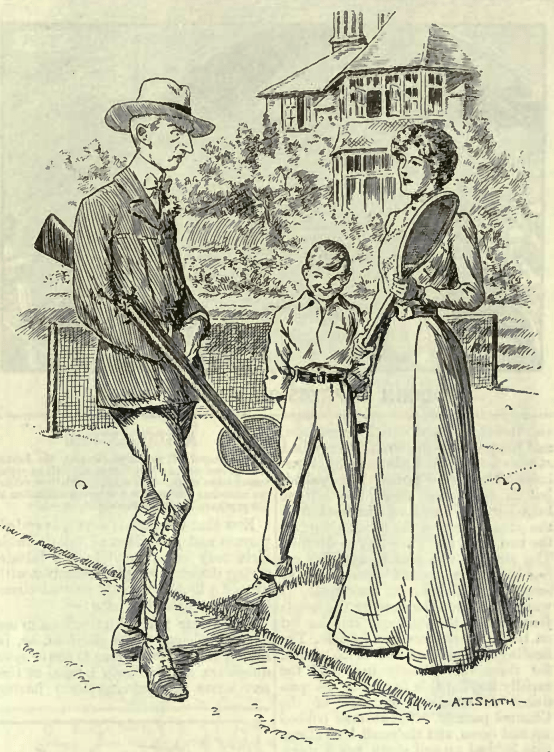
a person or thing that is insignificant or contemptible—1910—originally (1900): a type of small high-velocity shell, with reference to the high-pitched sound of its discharge and flight
Read More
“ad fontes!”
a person or thing that is insignificant or contemptible—1910—originally (1900): a type of small high-velocity shell, with reference to the high-pitched sound of its discharge and flight
Read Morein French contexts: a young person, especially a young man, belonging to a youth subculture of the 1950s and 1960s—UK, 1959—from the noun ‘blouson’ (a short jacket) and the adjective ‘noir’ (black)
Read Moresmartly dressed—from the verb ‘fig out/up’, meaning ‘to smarten up’—this verb is probably an alteration of the verb ‘feague’, of uncertain origin, meaning ‘to make (a horse) lively’
Read Morea difficult, uncooperative or unsociable person—UK, 1829—from French ‘mauvais coucheur’, literally ‘bad bedfellow’, with original allusion to a person whom a traveller had to share a bed with when stopping over at an inn
Read More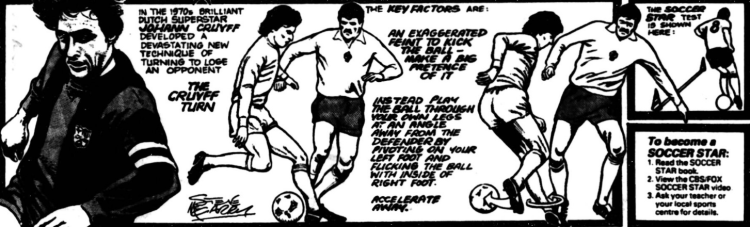
in soccer: a manoeuvre used by one player to evade another—UK, 1980s—refers to Dutch footballer Johan Cruyff, who first brought this manoeuvre to public attention by performing it in 1974
Read MoreUSA, 1981—said to have been invented by cheerleader ‘Krazy George’—popularised worldwide during the 1986 FIFA World Cup in Mexico, as a translation of Spanish ‘ola’—hence the British phrase ‘Mexican wave’ (1986)
Read Morealso ‘more than meets the ear’—meaning: more significance or complexity than is at first apparent—first used by John Milton as ‘more is meant than meets the ear’ in Il Penseroso (1645)
Read More(literally) to sit at a table; (figuratively) to establish oneself firmly in a situation—‘to put one’s feet under the same table with somebody’: (literally) to sit at a table with somebody; (figuratively) to associate oneself with somebody
Read Moreto make no mistakes at all—UK, 1864—this phrase was originally used of racehorses and hunting horses
Read Morean oppressive, very confined or crowded space—UK, 1764—refers to the punishment cell at Fort William, Calcutta, in which, in 1756, the Nawab of Bengal reputedly confined British and Anglo-Indian prisoners
Read More word histories