‘to wet the baby’s head’: meaning and origin
UK, 1845—to celebrate the birth of a child by drinking alcohol
Read More
“ad fontes!”
UK, 1845—to celebrate the birth of a child by drinking alcohol
Read MoreUSA, 1826—a laugh by a person in a state of religious fervour—especially used in reference to Methodist camp-meetings
Read MoreUK, 1883—to stay at a hotel, inn, etc., that provides a bed for the night and breakfast the following morning—to stay at an establishment known as a ‘bed and breakfast’
Read Moreinflammation of the bursa over the kneecap (prepatellar bursa), typically induced by kneeling on hard floors—UK, from 1824 onwards in medical publications
Read Morechronic pharyngitis—first used in medical texts published in Philadelphia from 1837 onwards—in reference to preachers who overstrain their voice
Read MoreUK, 1881—a form of repetitive strain injury (first identified in tennis players) that affects the tendons of forearm muscles attached to the lateral epicondyle of the humerus—synonym ‘lateral epicondylitis’
Read Moreearly 19th century—chiefly U.S.—to be forced by another to walk on tiptoe—to walk cautiously—to be discharged or dismissed—to discharge or dismiss (someone)—origin unknown
Read More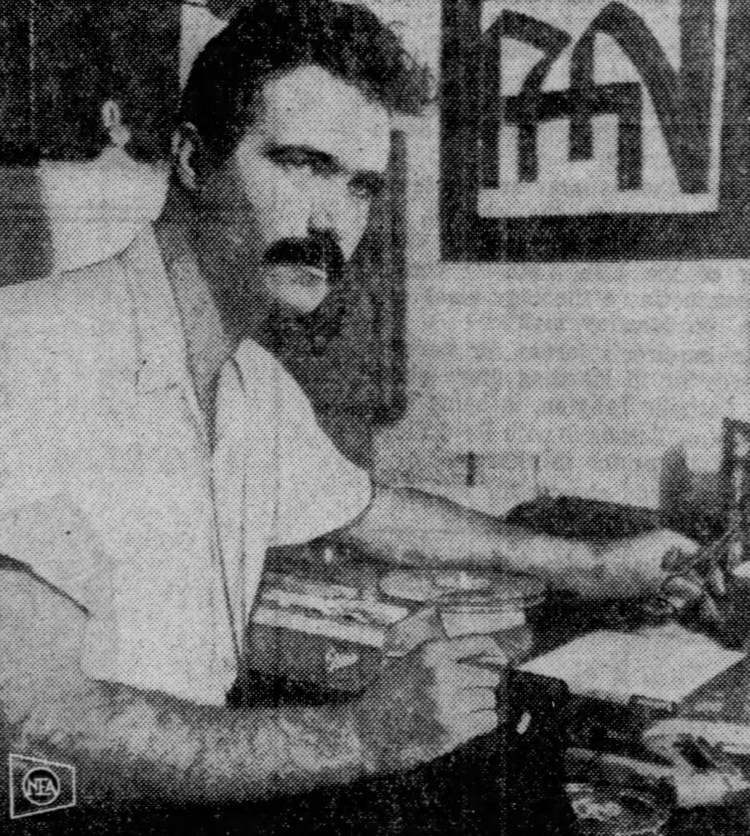
UK, 1958—a type of moustache in which the two ends extend downwards to the chin—refers to Emiliano Zapata, who was portrayed with a moustache of this kind by Marlon Brando in Viva Zapata! (1952)
Read More1785—Britain and Ireland—meaning: ‘more harshness than kindness’
Read More1975 as ‘French chef’s kiss’—a gesture used to indicate that something is excellent or perfect—also a perfect or excellent person or thing—alludes to such a gesture stereotypically made by a chef on tasting a delectable dish
Read More
