‘to cross a bridge when one comes to it’: meaning and origin
to deal with a problem when and if it arises, but not beforehand—11th January 1849 in The Independent (New York City, New York, USA)
Read More
“ad fontes!”
to deal with a problem when and if it arises, but not beforehand—11th January 1849 in The Independent (New York City, New York, USA)
Read Morepeople who meet for a short time, by chance, and then do not see each other again—people who, although living together, are unable to see very much of each other—coined in 1873 by the U.S. poet Henry Wadsworth Longfellow
Read Morein a sad state, or, merely, dishevelled—USA, 1897—refers to The Wreck of the Hesperus (1840), by the U.S. poet Henry Wadsworth Longfellow
Read More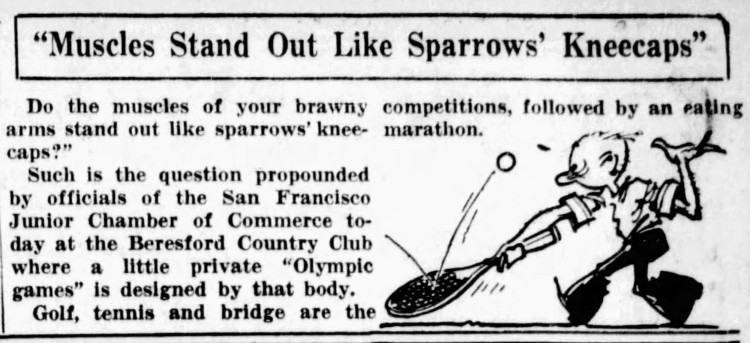
UK, 1922—(self-)disparagingly used of somebody’s physical strength—sometimes as a parody of ‘The Village Blacksmith’ (1840), by Henry Wadsworth Longfellow
Read Morechurchyard—from German ‘Gottesacker’, literally ‘God’s field’—image of the bodies of the dead sown like seeds in order to bear fruit at the time of resurrection
Read MoreThe phrase a skeleton at the feast, or at the banquet, denotes a person or event that brings gloom or sadness to an occasion of joy or celebration. This was originally an allusion to the practice of the ancient Egyptians, as recorded by the Greek biographer and philosopher Plutarch (circa 46-circa 120) in The Dinner of the Seven Wise […]
Read More
