the uncertain biblical meaning of ‘by the skin of one’s teeth’
from Job, 19:20—this verse, and particularly the Hebrew verb form immediately preceding ‘bĕʿōr šinnāi’ (‘with the skin of my teeth’), are of uncertain meaning
Read More
“ad fontes!”
from Job, 19:20—this verse, and particularly the Hebrew verb form immediately preceding ‘bĕʿōr šinnāi’ (‘with the skin of my teeth’), are of uncertain meaning
Read More‘every tiny detail’—from Matthew, 5:18—‘jot’, from ‘iōta’, the smallest letter of the Greek alphabet—‘tittle’, a small mark used in writing or printing
Read More
The spelling ‘ache’ (erroneously derived from Greek ‘ákhos’) instead of ‘ake’ is largely due to Samuel Johnson in A Dictionary of the English Language (1755).
Read More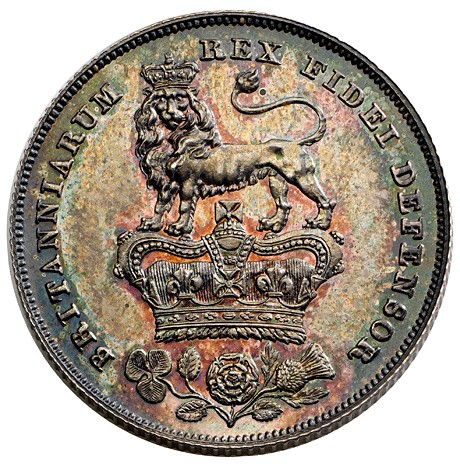
UK, 1707—‘to take the (King’s/Queen’s) shilling’: to sign up as a soldier, from the former practice of giving a shilling to a recruit when he enlisted
Read Moreremarks on English phrases (‘to rain cats and dogs’, ‘tit for tat’, ‘the devil to pay’, etc.) – from Notes and Queries (London), 9th November 1861
Read More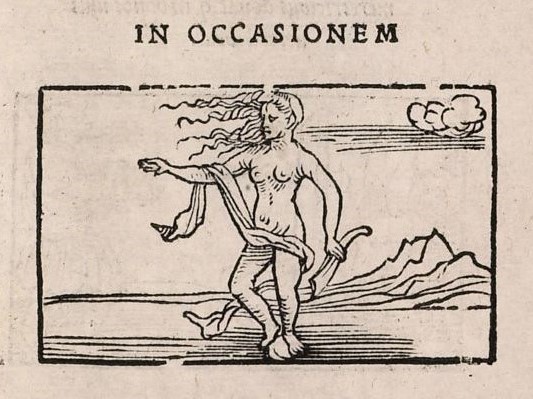
Opportunity was represented as woman completely bald except for a forelock: she can only be seized as she runs towards someone, not be caught thereafter.
Read Morelate 17th century—probably based on the resemblance between the shape of the heart and that of a cockleshell – or of the body the shell protects
Read More
from Medieval Latin ‘paraphernalia’, short for ‘paraphernalia bona’, ‘married woman’s property’, i.e. the goods which a bride brings over and above her dowry
Read MoreThe word ‘oxymoron’ has the property it denotes: it is from Greek ‘oxús’, meaning ‘sharp’, ‘acute’, and ‘mōrόs’, meaning ‘dull’, ‘stupid’.
Read More
In Psalms, the subjugated nation of Moab is compared to a vessel used for washing the feet—hence in school slang ‘Moab’: humorous for ‘washroom’, ‘tub’, ‘sink’
Read More word histories