Why does ‘season’ mean both ‘a division of the year’ and ‘to flavour’?
‘to season’, from Old French ‘saisonner’: ‘to do something during the proper season’, hence ‘to make appropriate to the circumstances’, ‘to flavour (a dish)’
Read More
“ad fontes!”
‘to season’, from Old French ‘saisonner’: ‘to do something during the proper season’, hence ‘to make appropriate to the circumstances’, ‘to flavour (a dish)’
Read Morethe troubles and activities of the world—literary or humorous, from Hamlet’s speech “to be or not be”—‘coil’: probably from Middle French ‘acueil’, encounter
Read More1611—from French ‘omelette’, ultimately an alteration of ‘lemelle’, ‘knife blade’ (from Latin ‘lamella’), with reference to the flattened shape of the dish
Read More‘To eavesdrop’ originally referred to standing within the eavesdrop (the ground on to which water drips from the eaves of a house) in order to overhear what is going on inside.
Read MoreThe verb unfriend was coined by the Church of England clergyman Thomas Fuller (1608-61) in The Appeal of Injured Innocence (1659).
Read More
Named after Latin ‘canina litera’ (‘the canine letter’), ‘the dog’s letter’ is a name for the letter R, from its resemblance in sound to the snarl of a dog.
Read More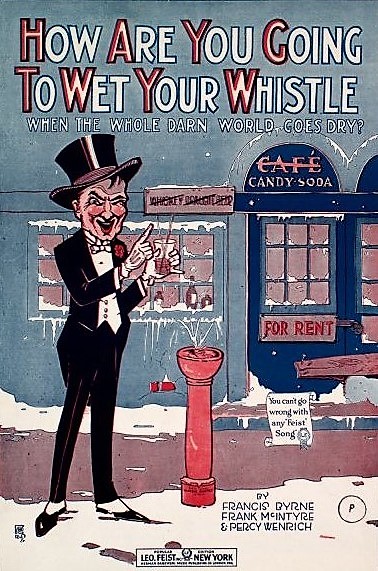
In ‘to wet one’s whistle’ (to take a drink), attested in the late 14th century, in Chaucer, ‘whistle’ is jocular for the mouth or the throat.
Read MoreThe word ‘slave’ is from Medieval Latin ‘Sclavus’, ‘Slav’, because the Slavic peoples were frequently reduced to a servile condition by the Germanic conquest.
Read More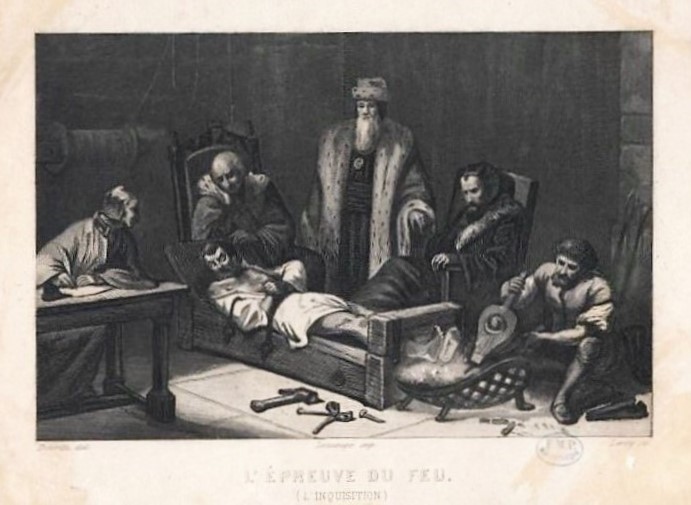
L’épreuve du feu (l’inquisition) by Devritz (painter) and Leroy (engraver) – date unknown source: BIU Santé The original meaning of the noun ordeal, from Old English ordāl, ordēl, is: an ancient test of guilt or innocence by subjection of the accused to severe pain, survival of which was taken as divine proof […]
Read Moreadvertisement for Blotto brothers’ triporteurs Le Jardin des Modes nouvelles – 15th October 1913 The adjective blotto, which means drunk [however, cf. note 1], originated in British military slang during the First World War. It is first recorded in this sense in the chapter Slang in a War Hospital of Observations of an Orderly: […]
Read More word histories