meaning and origin of ‘street angel (and) house devil’

USA, 1878—someone who behaves exemplarily in public, but who is abusive in private life—calque of German ‘Strass-Engel Haus-Teufel’
Read More
“ad fontes!”
USA, 1878—someone who behaves exemplarily in public, but who is abusive in private life—calque of German ‘Strass-Engel Haus-Teufel’
Read MoreUK and USA, World War One—borrowing from French, literally ‘it is war’—expresses acceptance of, or resignation at, the situation engendered by war
Read More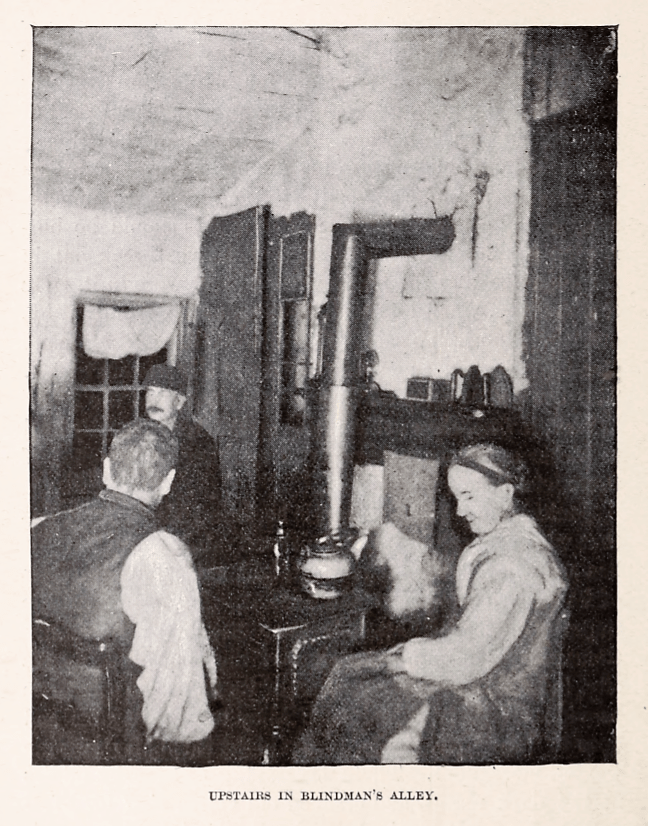
UK, 1849: cheap dingy eatery, as a translation from German—USA, from 1862 onwards: brothel, squalid lodging-house, bar; 1897: cheap dingy eatery
Read More
1850, in The Times of London, apparently as a translation from German—later instances (Minnesota, 1891-98) also associated with German to an extent or another
Read Morechurchyard—from German ‘Gottesacker’, literally ‘God’s field’—image of the bodies of the dead sown like seeds in order to bear fruit at the time of resurrection
Read MoreUSA, 1802 and 1851—translations from German—apparently from the idea that the area behind the ears is the last part to become dry after birth
Read MoreWhy is the element one in words such as alone and only not pronounced like the numeral one? Both the indefinite article an (a before consonant) and the numeral one are from Old English ān—which has survived in Scotland as ane, used both as indefinite article and as numeral. This Old-English word ān meant a/an, one, […]
Read More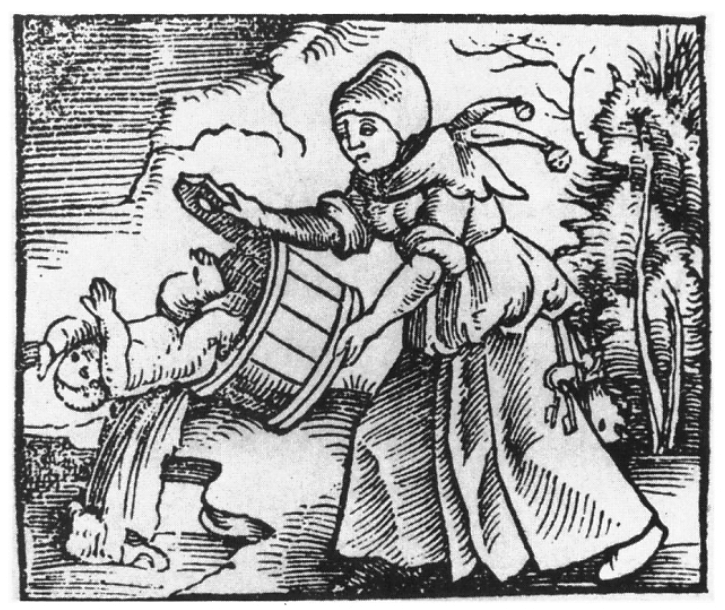
mid-19th century—loan translation from German ‘das Kind mit dem Bade ausschütten’ (to empty out the child with the bath), early 16th century
Read More
to use a temporary expedient—UK, 1889—origin attributed to Prussian statesman Bismarck in a letter written during the negotiations of the Convention of Gastein (1865)
Read More‘double Dutch’, 19th century—from ‘Dutch’ in the sense of a language that few people can speak, and ‘double’ as a mere intensifier—‘High Dutch’, 17th century—loan translation from French ‘haut allemand’ (= ‘High German’), used in the sense of gibberish
Read More word histories