‘brown Windsor soup’: meaning and early occurrences
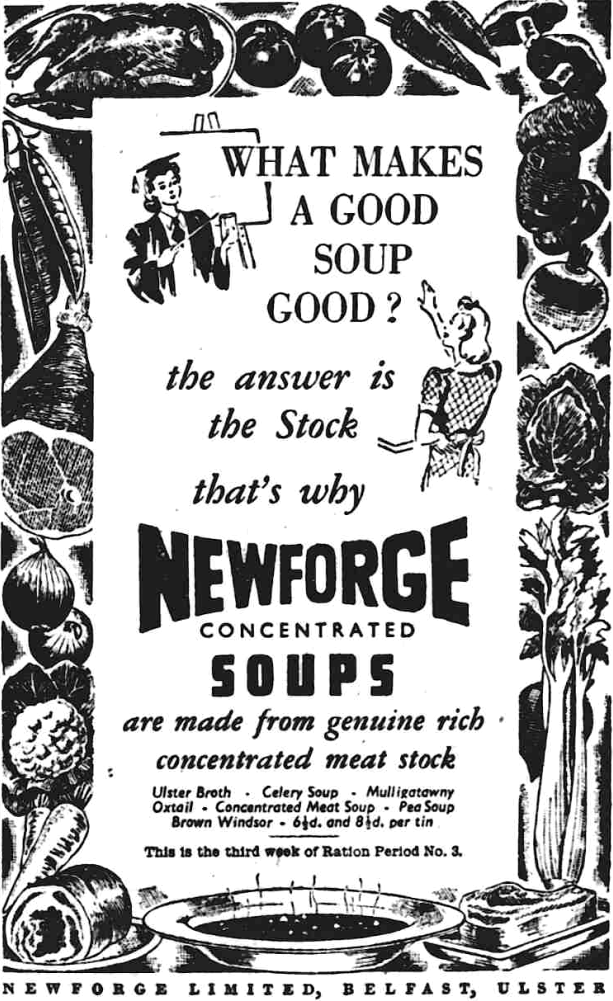
UK, 1919—a thick brown meat-based soup of a type now often depreciatively depicted as emblematic of traditional British cookery
Read More
“ad fontes!”
UK, 1919—a thick brown meat-based soup of a type now often depreciatively depicted as emblematic of traditional British cookery
Read MoreAustralia, 1911—a potato farmer—composed of ‘spud’ (a potato) and ‘cocky’ (a farmer working a small-scale farm)—‘cocky’: shortened form of ‘cockatoo’ (a farmer working a small-scale farm)
Read More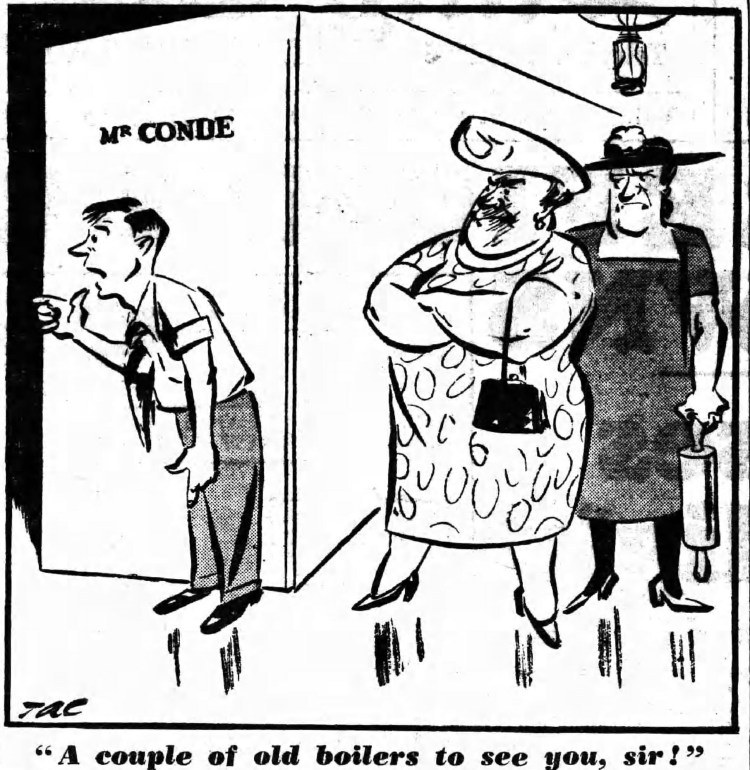
Australia, 1950—UK, 1962—derogatory and offensive: a middle-aged or elderly woman, especially one who is unattractive or unfeminine—refers to ‘boiler’, i.e., a tough old chicken for cooking by boiling
Read MoreAustralian slang, 1960s—the unpalatable and unnutritious evening stew that used to be served to prison inmates—by extension: any unpalatable item of food
Read Morecolloquially used as a contemptuous appellation for a newspaper that the speaker regards as downmarket—Australia, 1880—but had occurred once (USA, 1874) as ‘bologna sausage wrapper’
Read More
Australia, 1881—to adopt an affected speech or manner, to display self-importance—also, in early use: to embellish the truth, to depict flatteringly
Read More
Australia, 1943, derogatory—a soldier who does not see active service, especially a reservist—from ‘cut lunch’, denoting a packed lunch, typically consisting of sandwiches
Read MoreUK, 1841—to be crowded or confined tightly together, as sardines in a tin
Read Morea dish consisting of deep-fried battered fish fillets served with potato chips—Lancashire, England, 1886 (1879, as ‘fried fish and chipped potatoes’)
Read More
France—1883: Viennese-style baked goods—1887: a bakery that makes and sells this type of baked goods—those baked goods were introduced into France in 1839 by the Austrian entrepreneur August Zang
Read More
