the story of ‘greengrocer’s apostrophe’, a.k.a. ‘apostrofly’

UK, ‘greengrocer’s apostrophe’ – ‘apostrofly’: the mistaken use of an apostrophe, especially its insertion before the final ‘s’ of an ordinary plural form
Read More
“ad fontes!”
UK, ‘greengrocer’s apostrophe’ – ‘apostrofly’: the mistaken use of an apostrophe, especially its insertion before the final ‘s’ of an ordinary plural form
Read More‘Bombay’: alteration after the city’s name of ‘bummalo’, the name of the fish—‘duck’: common dishes were humorously called by the names of superior ones
Read More‘Welsh’: used disparagingly by the English to denote inferior things; ‘rabbit’: common dishes were humorously called by the names of superior ones
Read More‘salad days’: days of youthful inexperience—coined by Shakespeare in ‘Antony and Cleopatra’—alludes to the raw (green and cold) vegetables used in a salad
Read More
‘take the cake’ (US, 1839) alludes probably to cake as the prize in a contest, but maybe not to cakewalk—‘take the biscuit’ (US, 1879) used in British English
Read Moreperhaps identical to ‘pie’ (‘magpie’)—variety of ingredients maybe associated with bird’s spotted appearance or its tendency to collect miscellaneous articles
Read MoreThe ladybird was so named on account of its seven spots, which were popularly believed to symbolise the seven sorrows of the Virgin Mary.
Read MoreSince antiquity, European languages have variously named the butterfly, in particular by using sound reduplications expressive of its fluttering.
Read More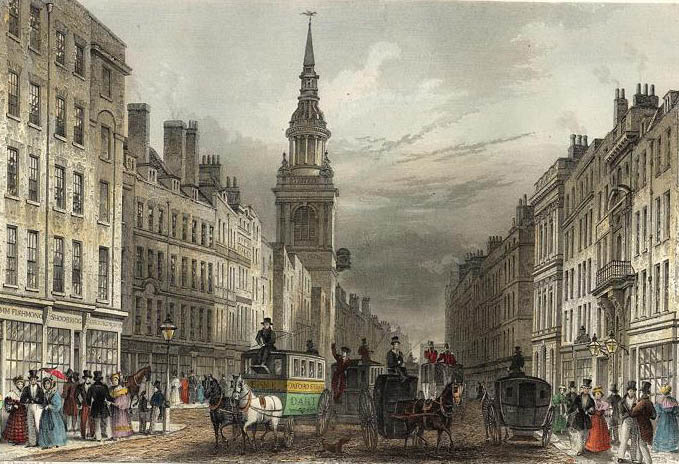
originally ‘pampered child’, later ‘town-dweller regarded as affected or puny’—origin uncertain—probably not the same word as ‘cokeney’, literally ‘cock’s egg’
Read More
‘something new can only be judged to be good or bad after it has been tried or used’ (‘proof’ = ‘test’)—1623, in Remaines, concerning Britaine, by W. Camden
Read More word histories