‘all wool and a yard wide’: meaning and origin
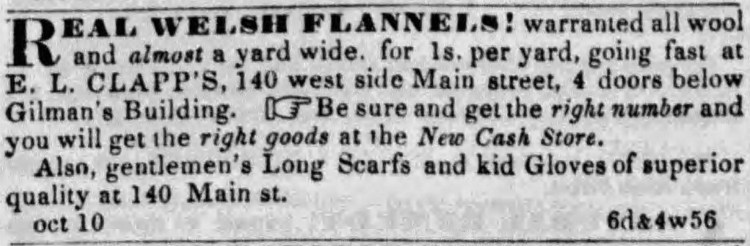
USA, 1865—of excellent quality; thoroughly sound or honourable—originally applied to cloth
Read More
“ad fontes!”
USA, 1865—of excellent quality; thoroughly sound or honourable—originally applied to cloth
Read More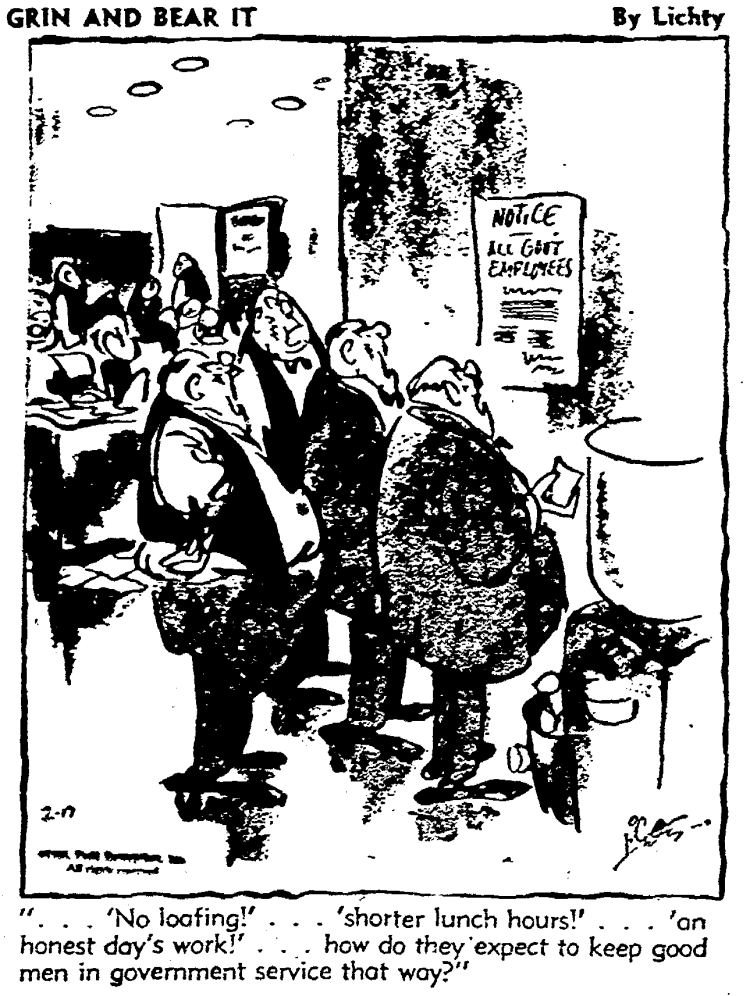
USA, 1950—a midday meal, with several martinis taken as aperitifs, enjoyed by businessmen, and/or politicians, and/or federal-government employees—especially in ‘two-martini lunch’ and ‘three-martini lunch’
Read More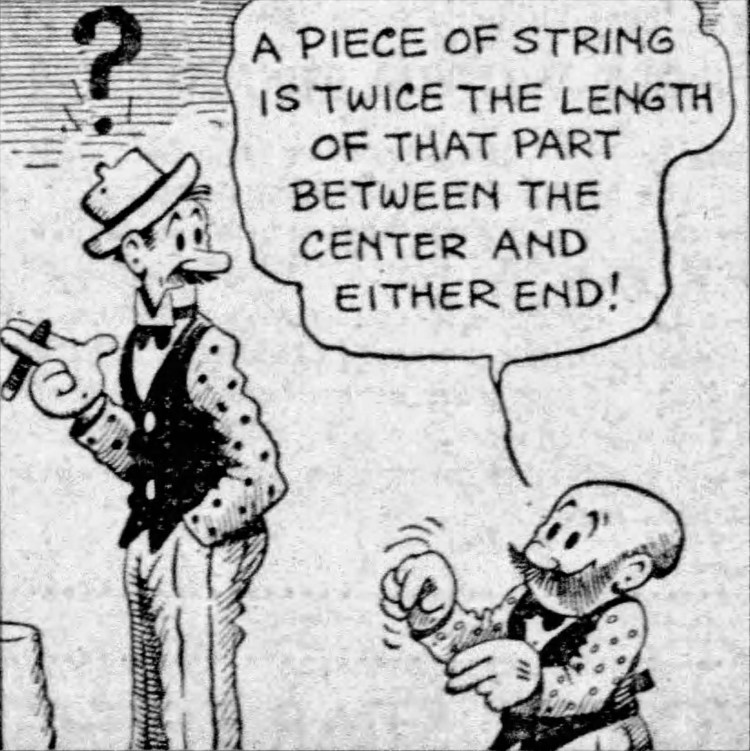
USA, 1885—a response to a question that cannot be answered precisely, although a precise answer seems to be expected—various jocular replies have been made up, such as ‘twice the length from the middle to the end
Read MoreUK, 1828—sleep, especially taken before midnight, assumed to be necessary to keep one looking healthy and attractive; any extra sleep—sleep taken before midnight is popularly thought to be most restful
Read More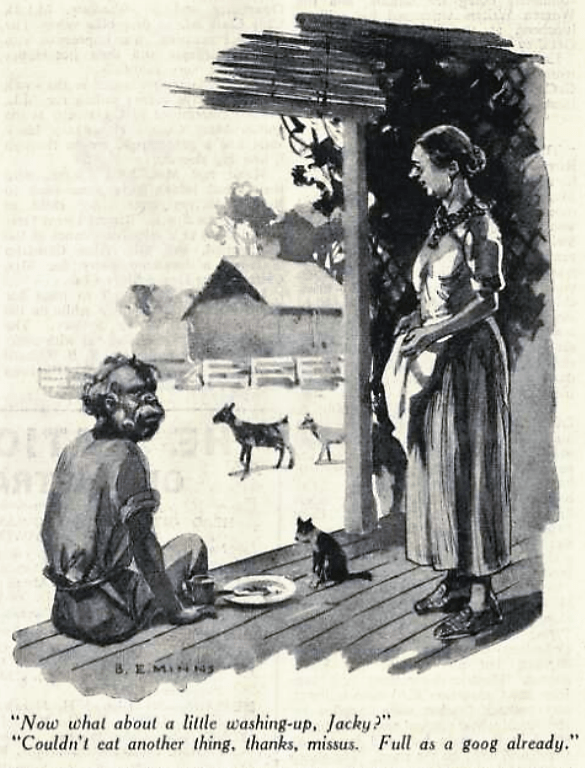
Australia, 1927—very drunk; sated with food—‘goog’, Australian-English slang for an egg, was perhaps formed on the sense of ‘gog’ in ‘goosgog’, denoting a gooseberry
Read More
Australia, 1966—typically Australian in character—alteration of the phrase ‘as American as apple pie’, with reference to the prominence of meat pie in Australian diet
Read MoreSince the mid-20th century, with reference to garden tea parties, the phrase ‘cucumber sandwiches on the lawn’ and its variants have been used to characterise traditional Englishness.
Read MoreUSA, 1904—refers to the supply of something to a place where it is not needed—in particular, ‘could sell refrigerators to the Eskimos’ is applied to an efficient salesman, and, by extension, to a persuasive person
Read More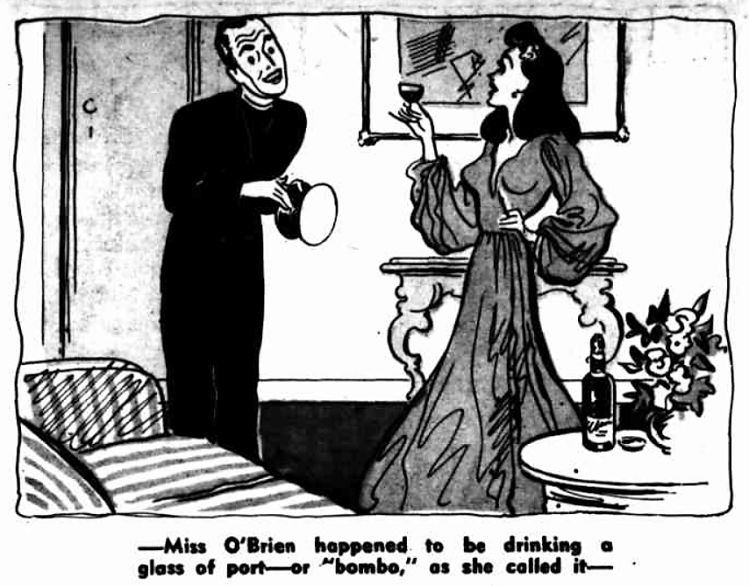
1941 in the sense ‘under the influence of alcohol’—aided by the phonetic similarity of ‘grip’ and ‘grape’, this phrase has, in the course of time, been coined on separate occasions by various persons, independently from one another
Read More
Australia, 1944—to the greatest possible extent; sated with food—refers to a large floppy bow worn at the neck
Read More
