origin of ‘Gorgeous Wrecks’ (members of the Volunteer Training Corps)

‘Gorgeous Wrecks’ (UK, WWI): members of the Volunteer Training Corps, from the letters ‘G.R.’ (‘Government Recognition’) interpreted as meaning ‘Georgius Rex’
Read More
“ad fontes!”
‘Gorgeous Wrecks’ (UK, WWI): members of the Volunteer Training Corps, from the letters ‘G.R.’ (‘Government Recognition’) interpreted as meaning ‘Georgius Rex’
Read More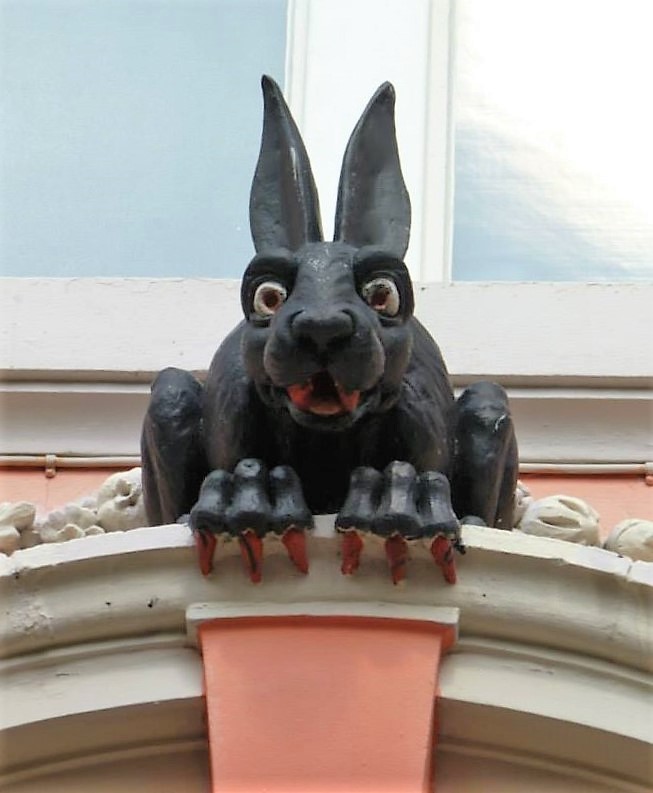
‘(As) mad as a March hare’ refers to the fact that, in the breeding season, the hare is characterised by much leaping, boxing and chasing in circles.
Read More
plate 19: La Trénis, Contredanse source: gallica.bnf.fr / Bibliothèque Nationale de France from the 1931 reprint of the caricatures published under the title of Le Bon Genre (1827 edition), including Observations sur les modes et les usages de Paris; the following comment about La Trénis accompanies this plate: (Année 1805.) Cette danse porte le […]
Read MoreOriginally meaning ‘person of ridiculous appearance’, ‘quiz’ (students’ slang, late 18th century) was jocularly derived from the Latin interrogative pronoun ‘quis’ in “Vir bonus est quis?” (“Who is a good man?”)—a good, ingenuous, harmless man being likely to become an object of ridicule or even of harassment.
Read More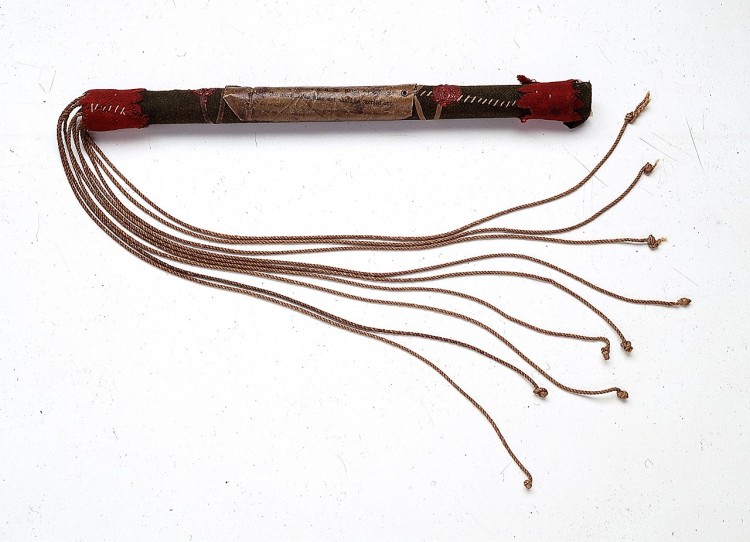
cat-o’-nine-tails (1866-79) – photograph: National Maritime Museum The noun cat-o’-nine-tails denotes a rope whip with nine knotted cords, formerly used, especially at sea, to flog offenders. This instrument of punishment was authorised in the British navy and army until 1881—cf. also to run the gauntlet. The word is first recorded in Love for […]
Read More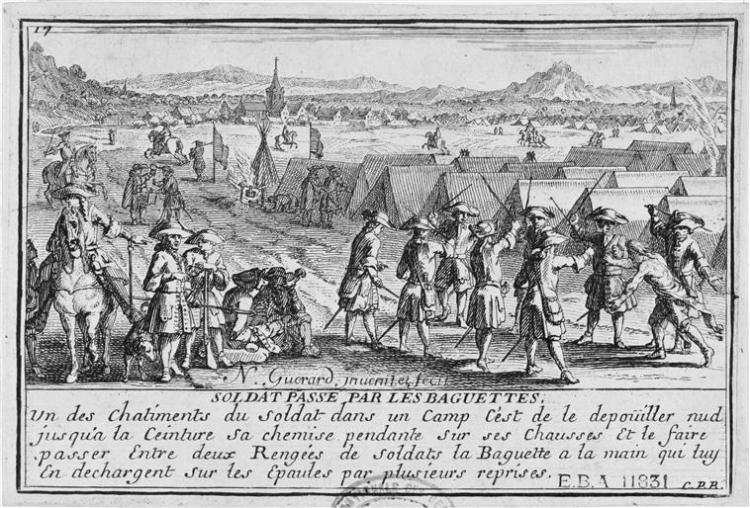
SOLDAT PASSE PAR LES BAGUETTES. Un des chatiments du soldat dans un camp c’est de le depouiller nud jusqu’a la ceinture sa chemise pendante sur ses chausses et le faire passer entre deux Rengées […]
Read More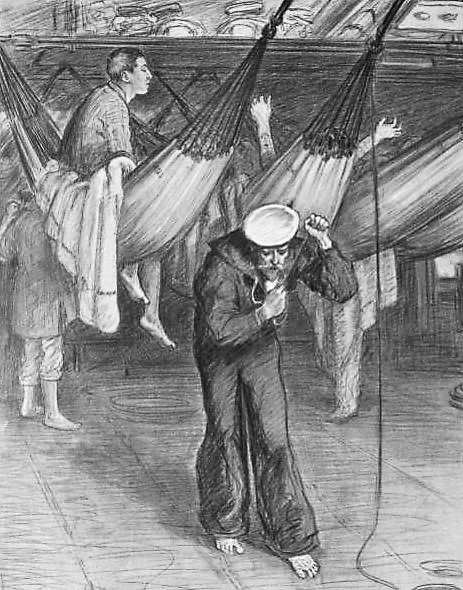
HOW A SAILOR BEGINS HIS DAY’S WORK A Scene on board H.M.S. “Trafalgar.” The boatswain blows his whistle at 5 o’clock in the morning and cries, “All hands.” Diving in and out beneath the hammocks he goes with bent head calling the same old cry of Nelson’s day: “Rise and shine. Show a leg—show […]
Read More
It has often been said that the noun banger appeared as British slang for sausage in the World War One trenches (cf. also Zeppelin). But, in fact, it was in use in the British Navy before the outbreak of the war. On 27th July 1904, The Tatler (London) published The real letters of […]
Read More
The informal British phrase to chance one’s arm means to undertake something although it may be dangerous or unsuccessful. Its origin is unclear. The earliest use that I have found is from How our blue-jackets are fed, an article about the “diet of the British sailor at sea” published in The Weekly Telegraph […]
Read More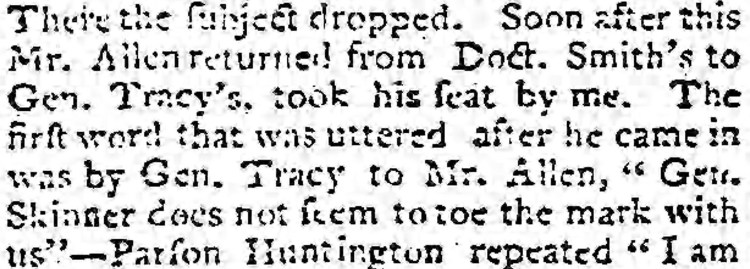
The phrase to toe the line means to accept the authority, policies or principles of a particular group, especially unwillingly. Its literal sense is to stand or crouch with the toes touching the line, especially at the start of a race or fight. The current meaning is an extension of a figurative usage, […]
Read More word histories