The term ‘empty suit’ originated in Broadway slang.
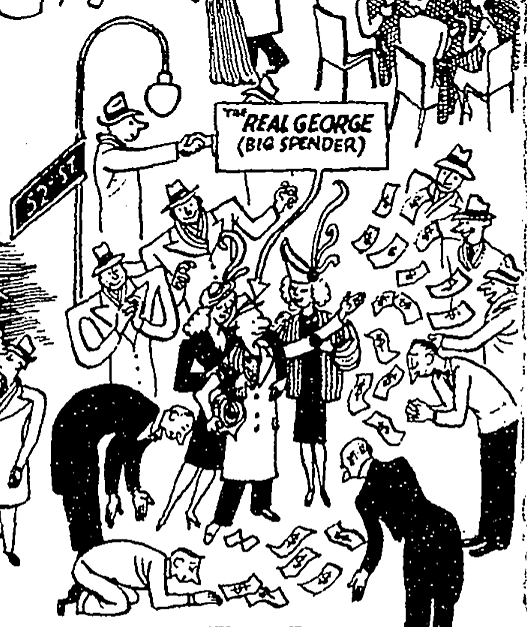
1950, Broadway slang, pejorative—a wealthy man who, in return for their company, lavished money on showbusiness people and those mixing with them
Read More
“ad fontes!”
1950, Broadway slang, pejorative—a wealthy man who, in return for their company, lavished money on showbusiness people and those mixing with them
Read More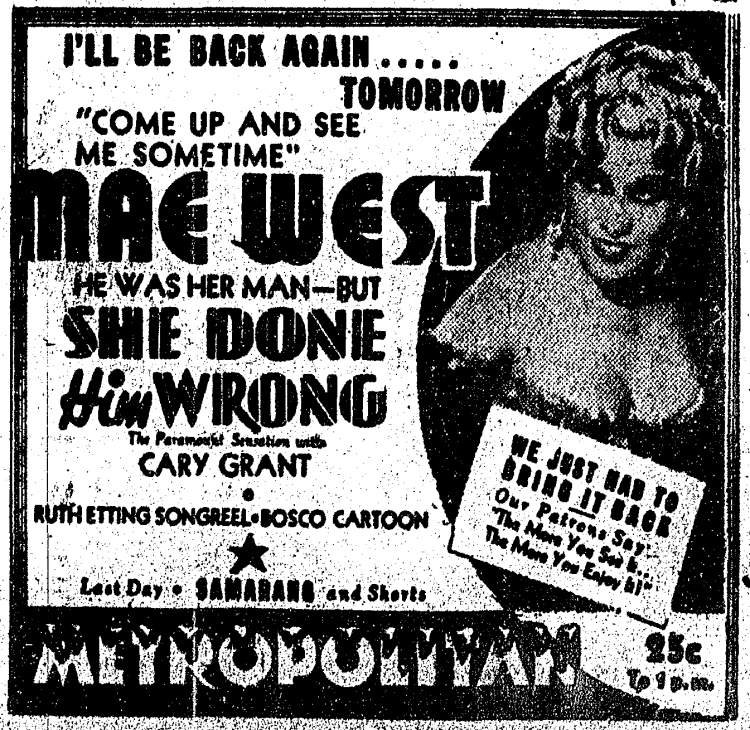
USA, 1933—a famous invitation to sexual dalliance—alteration of ‘come up sometime and see me’, uttered by Mae West in the 1933 film ‘She Done Him Wrong’
Read More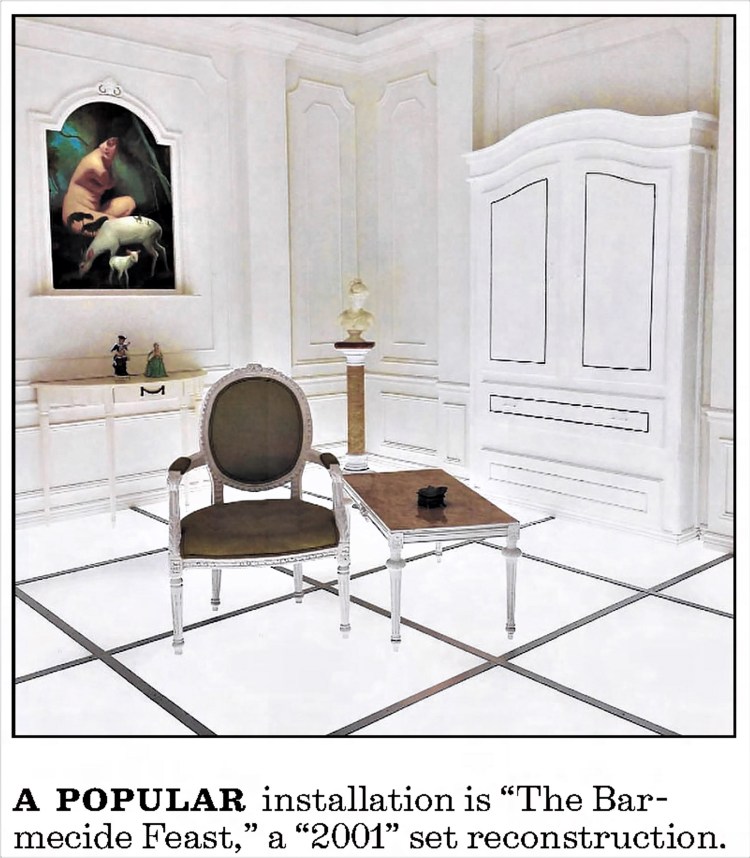
UK, 1823—pretended or illusory generosity or hospitality—from the name of a prince in The Arabian Nights, who gave a beggar a feast consisting of empty dishes
Read MoreUK, 1915—to be lavish in one’s celebrations or spending—Army and Navy slang: to buy a round of drinks—’a boat’ might be metaphorical for ‘a glass’ (i.e., ‘a drink’)
Read MoreUK, 1807—(of someone) active and in good health—(of something) prevalent and very active
Read MoreUSA, 1967—‘to act one’s age, and not one’s shoe size’—humorous extension of ‘to act one’s age’—in turn jocularly modified as ‘to act one’s shoe size, and not one’s age’
Read More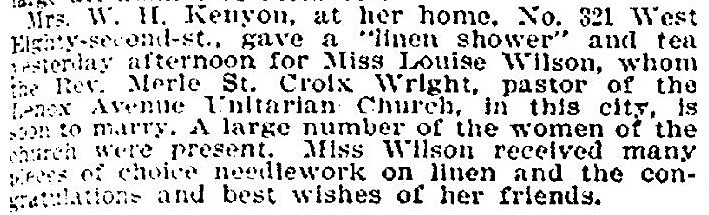
USA, late 19th century—party held by female guests to present gifts of a particular kind to a bride-to-be
Read More‘crumbs from a rich man’s table’—late 18th century—from the parable of the rich man and Lazarus in the gospel of Luke, 16:19-31
Read Moremeaning: everybody imaginable—UK, 1898 in extended form, 1899 in current form—alludes to the names listed in the Devon ballad ‘Widdecombe Fair’
Read MoreIn the phrase ‘sleep tight’ (USA, 1873), the adjective ‘tight’ is used as an adverb meaning ‘soundly’, i.e. ‘deeply and without disturbance’, as in the combination ‘tight asleep’ (USA, 1847).
Read More
