‘beer-pong’: meaning and origin
U.S. College slang, 1972—a drinking game in which players attempt to throw ping-pong balls into cups of beer, which must then be drunk by their opponents—from ‘beer’ and the second element of ‘ping-pong’
Read More
“ad fontes!”
U.S. College slang, 1972—a drinking game in which players attempt to throw ping-pong balls into cups of beer, which must then be drunk by their opponents—from ‘beer’ and the second element of ‘ping-pong’
Read MoreYorkshire & Lancashire (northern England), first half of the 19th century—the evening of 30th April (May Eve), on which people traditionally indulged in mischievous pranks
Read Moreindicates that a place or event is one to which guests may or should bring their own alcoholic drink—UK, 1858—USA, 1910—in early U.S. use, often referred to the prohibition of alcohol
Read More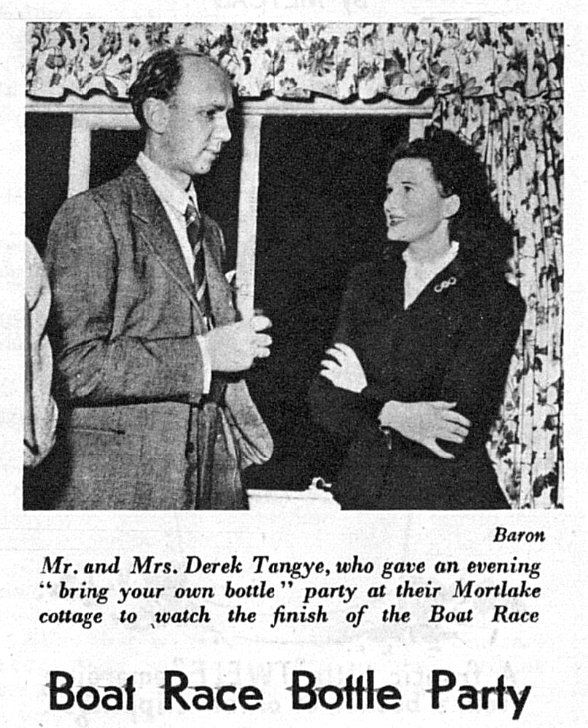
a party to which attendees are encouraged to bring their own drinks, especially alcohol—‘bring-your-own-bottle party’: USA, 1923, in the context of Prohibition—‘bring-a-bottle party’: UK, 1928
Read MoreUK & Ireland, 2005—the last Friday before Christmas—refers to the high number of fights caused by revellers on that day
Read MoreAustralia, 1938—an indignant response to someone who is taking the speaker for a fool—alludes to the condescending way in which townspeople treated people from the country during bush week (i.e., a festival held in a town or city, celebrating bush produce, activities, etc.)
Read Moreto accept or confront the inevitable, or the unpleasant consequences of one’s actions—USA, 1833—origin uncertain and disputed
Read Morea coin-operated phonograph (typically in a gaudy, illuminated cabinet) having a variety of records that can be selected by push button—USA, 1939—earlier appellation: jook organ (Florida, 1937)
Read Moreto undertake a dangerous or hazardous operation or activity—UK, 1867, as ‘to tickle the dragon’s nose’—‘to tickle the dragon’s tail’ was used of a nuclear experiment at Los Alamos during WWII
Read Morethe action, excitement or trouble starts—USA, late 19th century—originally alluded to the release of a balloon to mark an event
Read More word histories