‘café-hopping’: original meaning
USA, 1917—the practice of enjoying the nightlife of a city or town by visiting multiple bars and nightclubs
Read More
“ad fontes!”
USA, 1917—the practice of enjoying the nightlife of a city or town by visiting multiple bars and nightclubs
Read MoreUSA, 1850—based on the image of a thirsty person whose mouth is so parched that it feels as if it were filled with feathers and that the person thus feels choked
Read MoreUSA, 1892—severe but usually short-lived headache induced by the consumption of very cold food or drink
Read MoreUSA, 1874 & Britain, 1875: a commercial vehicle from which ice cream is sold, typically at the roadside—originally in Britain: typically at a fair
Read More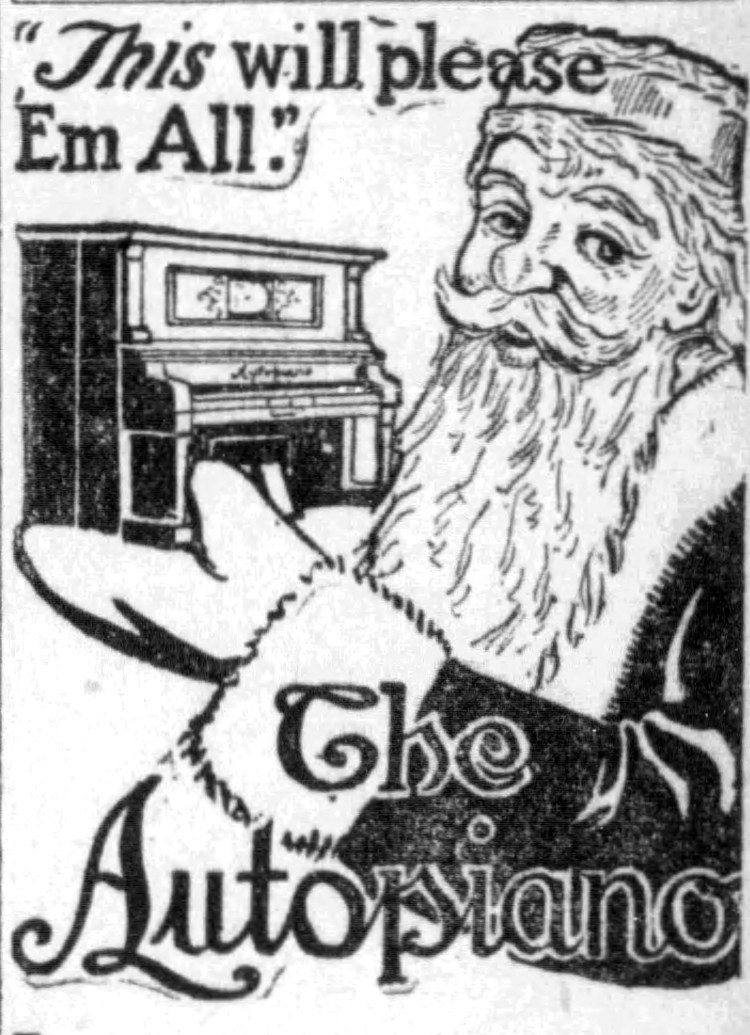
American English, early 20th century—primarily used of a present that delivers repeated enjoyment in the course of time—also sarcastically used of a person or situation constituting a recurring problem
Read Morea large inflatable structure, often in the shape of a castle, on or inside which children can jump and play—UK, 1976, in reference to the International Ideal Home Exhibition held at the National Exhibition Centre, Birmingham
Read More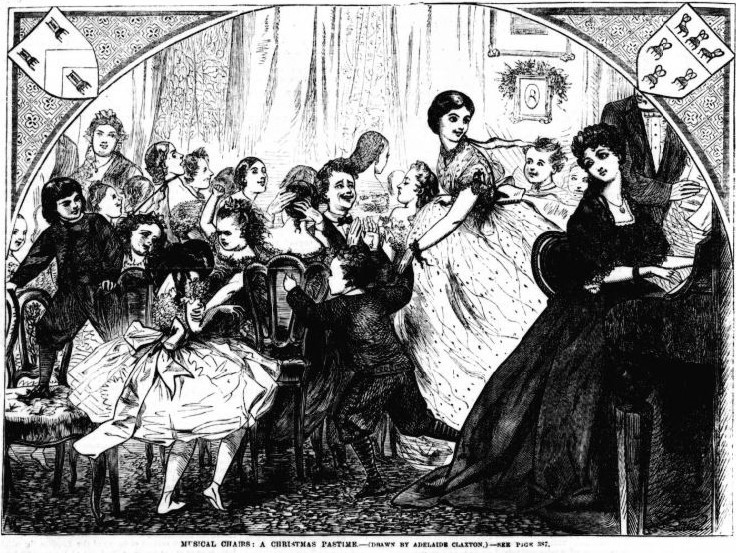
UK, 1865—a Christmas-season party game in which players walk around a decreasing number of chairs while music is played, the loser in each round being the one who fails to find a seat when the music stops
Read More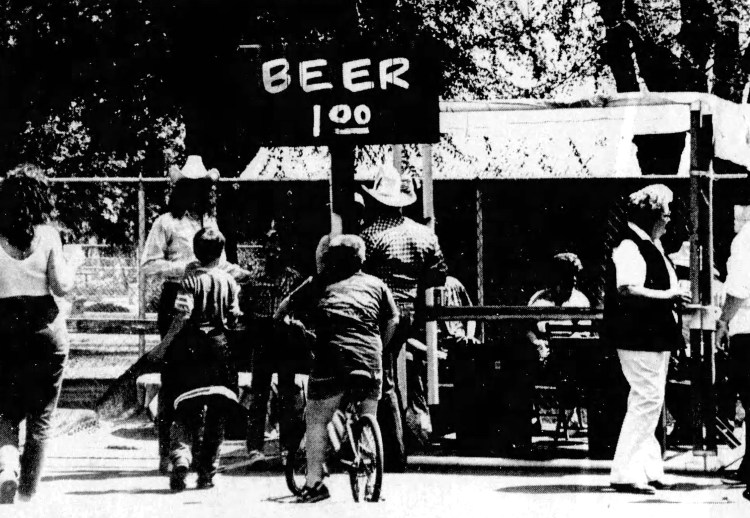
a time at which it is considered acceptable or sociable to start drinking beer—used of various times of the day—USA, 1910
Read MoreUK, 1945—upper-class slang for ‘champagne’—from the first syllable of ‘champagne’ and the suffix ‘-ers’, used to make jocular formations on nouns by clipping them
Read More1910: a cheap and common watch—hence (from 1922 onwards) used in various phrases referring to silliness, reliability/unreliability, erraticism, cheapness, funniness
Read More
