meaning and origin of ‘one’s best bib and tucker’
18th century, of women’s clothes—‘bib’: a piece of cloth worn between throat and waist; ‘tucker’: a piece of lace or linen worn in or around the top of a bodice
Read More
“ad fontes!”
18th century, of women’s clothes—‘bib’: a piece of cloth worn between throat and waist; ‘tucker’: a piece of lace or linen worn in or around the top of a bodice
Read Moremid-17th cent. in the sense ‘brand new’—from ‘spick and span new’, extension of ‘span new’, from Old Norse ‘spán-nýr’, ‘as new as a freshly cut wooden chip’
Read More
UK, 1929—the attitudes, loyalties, values, etc., associated with British public schools—from the distinctive tie that indicates which school the wearer attended
Read More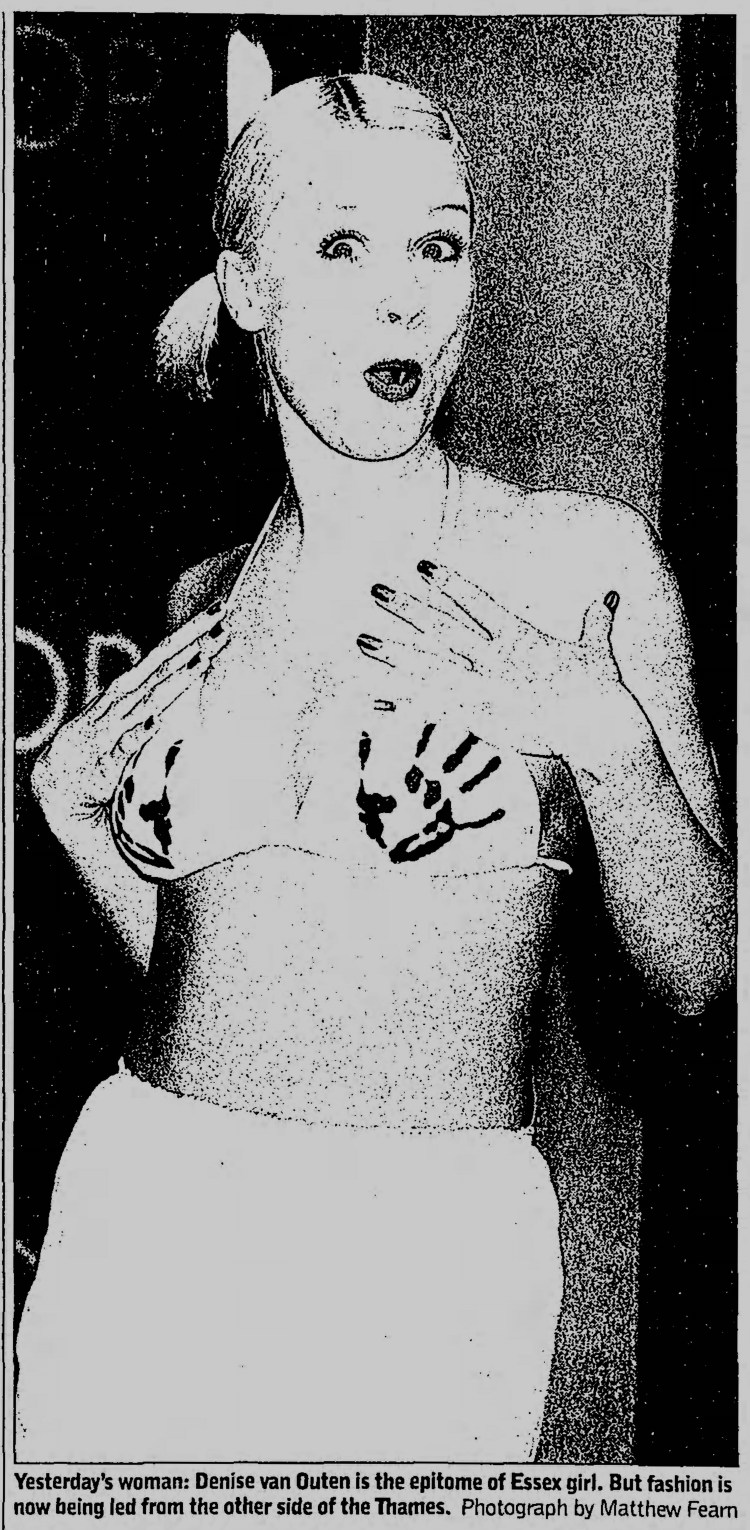
UK, 1990s—either from Romany ‘čhavo’, an unmarried Romani male, a male Romani child, or from English or Anglo-Romany ‘chavvy’, a baby, a child
Read More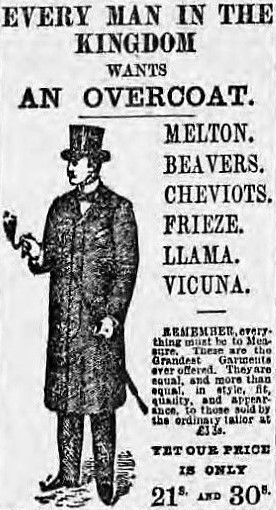
19th cent.—‘button-hold’ was probably mistaken in spoken language for a past form, hence the coinage of ‘buttonhole’ in order to match the original error
Read More
In Psalms, the subjugated nation of Moab is compared to a vessel used for washing the feet—hence in school slang ‘Moab’: humorous for ‘washroom’, ‘tub’, ‘sink’
Read More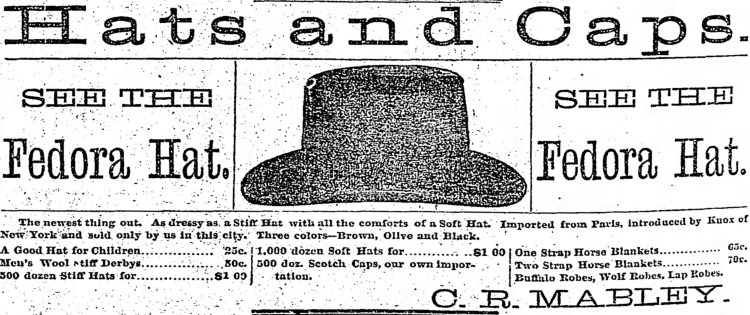
US, 1883—from the craze generated by ‘Fédora’, an 1882 drama by Victorien Sardou and the name of its heroine, played in early productions by Sarah Bernhardt
Read More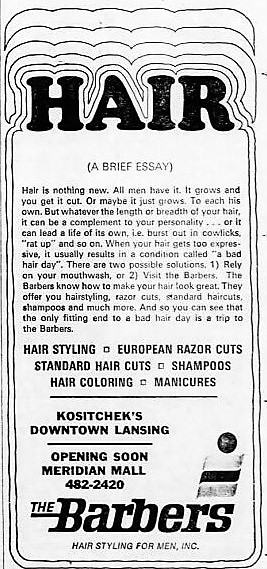
US, 1990s—a day on which one’s hair is unmanageable, hence a day on which everything seems to go wrong, a period of unusual agitation, frustration or uneasiness
Read More
Since WWI, ‘Franglais’ has been coined to denote: French spoken by an Anglophone, English spoken by a Francophone and French speech using English words.
Read More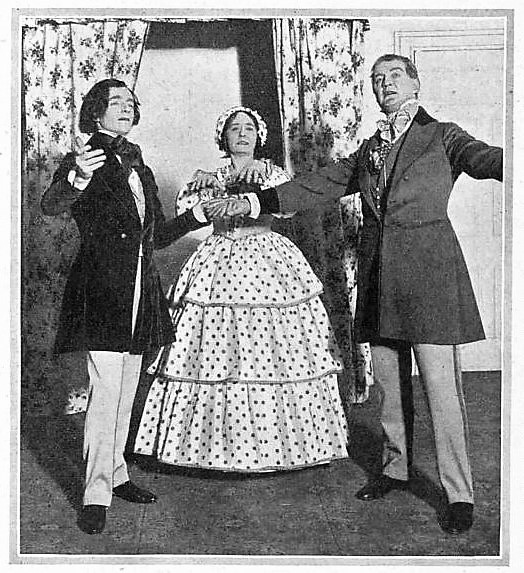
from the name of an 1847 farce in which a landlady lets out, unbeknown to them, the same room to two tenants, Box and Cox, the one by day, the other by night
Read More word histories