the authentic origin of ‘between the devil and the deep blue sea’
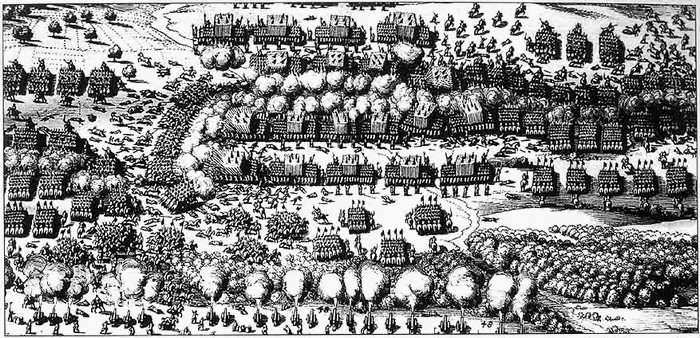
early 17th century, with ‘the Dead Sea’ and ‘the deep sea’—originated in the image of a choice between damnation (‘the Devil’) and drowning (‘the sea’)
Read More
“ad fontes!”
early 17th century, with ‘the Dead Sea’ and ‘the deep sea’—originated in the image of a choice between damnation (‘the Devil’) and drowning (‘the sea’)
Read More
from the image of breaking the frozen surface of a river in order to make a passage for boats – probably from Latin ‘scindere glaciem’, in Erasmus’s Adages
Read More‘Let the cobbler stick to his last’ goes back to Pliny’s story of the Greek artist Apelles answering a cobbler who had criticised one of his paintings.
Read MoreThere can be some astonishing differences between the biblical texts belonging to the scholastic tradition and those belonging to the humanist movement.
Read MoreA horse’s teeth reveal its age. It is therefore bad manners to look in the mouth of a horse that has been received as a gift in order to establish its value.
Read More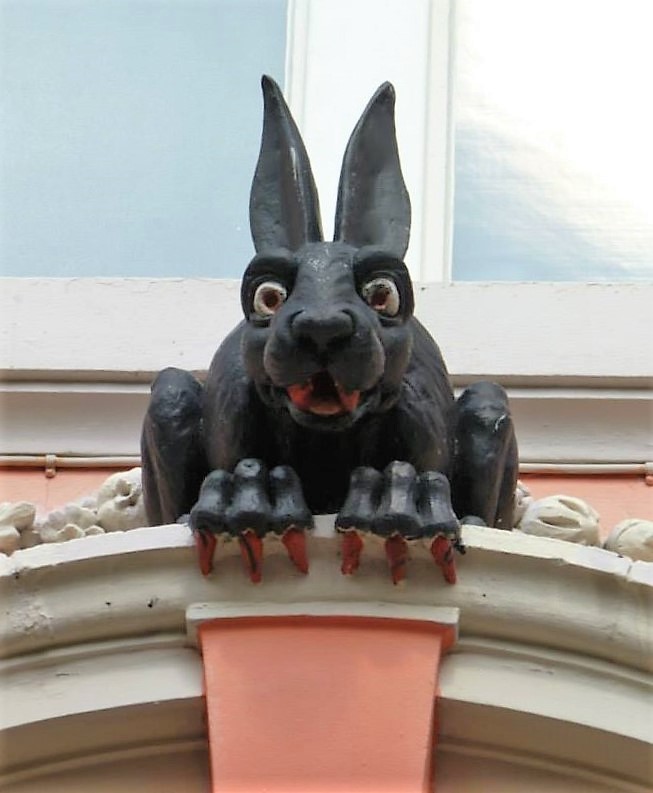
‘(As) mad as a March hare’ refers to the fact that, in the breeding season, the hare is characterised by much leaping, boxing and chasing in circles.
Read MoreMEANING to have no hesitation in stating, or dealing with, something, however unpleasant or awkward it is ORIGIN Always used in the negative, this phrase dates back to the 16th century, originally as to make no bones at or in. It also occurred without a complement, as in its first recorded use, in The first tome or […]
Read MoreMEANING a single fortunate event doesn’t mean that what follows will also be good ORIGIN The annual migration of swallows to Europe from southern climes at the end of winter was the subject of a proverb in Ancient Greece: μία χελιδὼν ἔαρ οὐ ποιεῖ, in which ἔαρ means spring; it is found […]
Read MoreThe phrase at sixes and sevens means in a state of total confusion or disarray. Based on the language of dicing, the phrase was originally to set (all) on six and seven. It denoted the hazard of one’s whole fortune, or carelessness as to the consequences of one’s actions. From this earlier association with reckless behaviour came the idea that things in […]
Read Morean alternative explanation of the phrase “it is raining cats and dogs”
Read More word histories