‘To sell down the river’ originated in the history of American slavery.

This phrase originated in the history of American slavery: the river was the Mississippi and down implied the transfer of slaves from north to south.
Read More
“ad fontes!”
This phrase originated in the history of American slavery: the river was the Mississippi and down implied the transfer of slaves from north to south.
Read More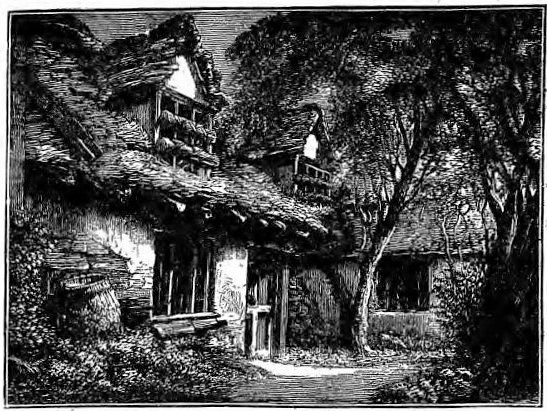
a game in which the player who has the role of Tom Tiddler defends his territory against the others, who try to steal his money—hence a source of easy money
Read More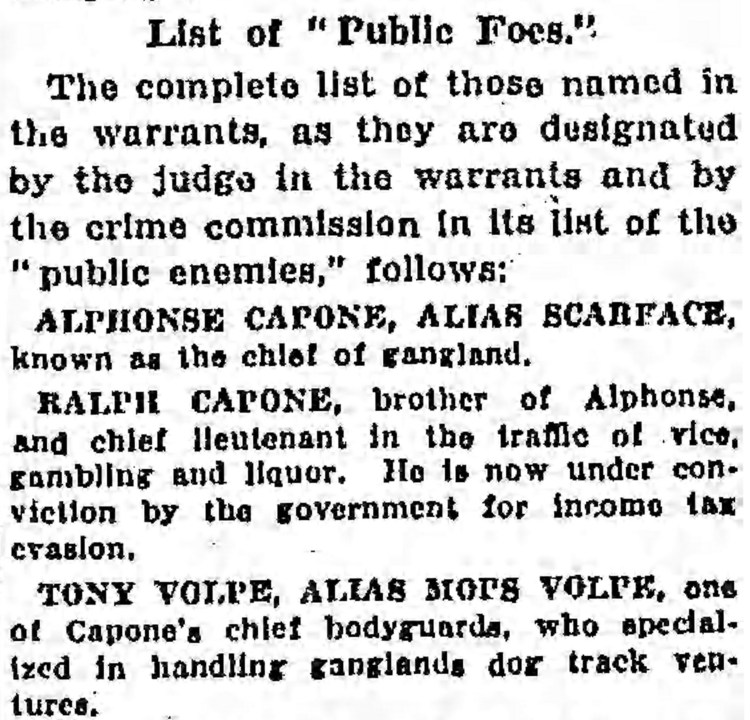
origin: the American gangster Al Capone was number one on the list of 26 ‘public enemies’ drawn up in 1930 by the Chicago crime commission.
Read More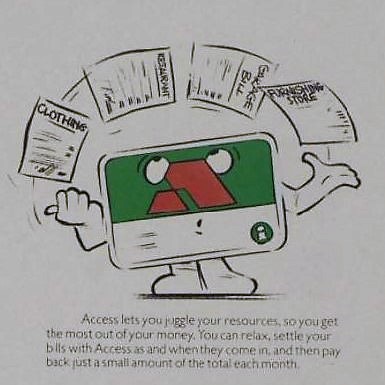
early 1980s—originated in “Access. Your flexible friend”, advertising slogan for the Access credit card, which played on the notion that repayment was flexible
Read More
blend of ‘adult’ and ‘adolescent’: adult who has retained the interests, behaviour or lifestyle of adolescence — origin USA, first attested in 1945
Read More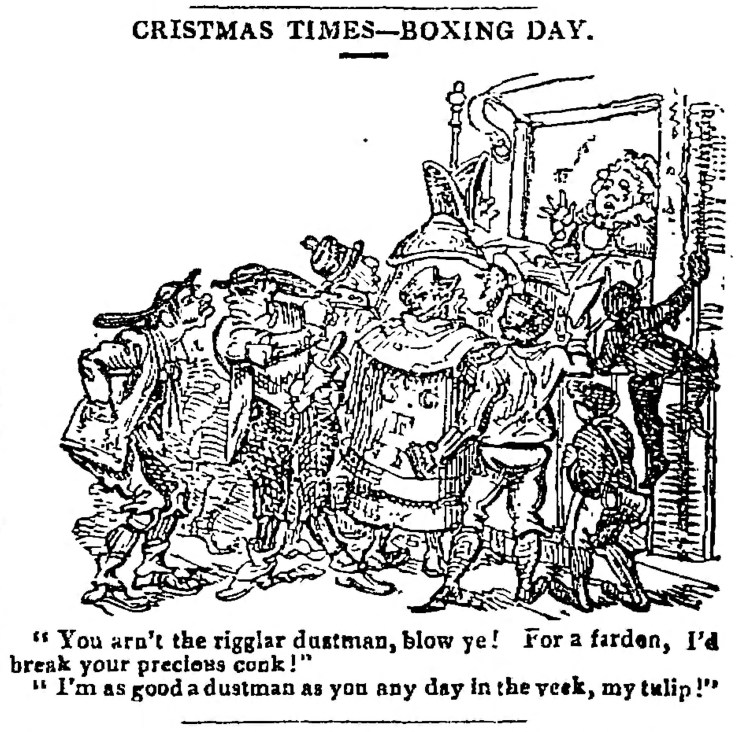
from the verb ‘box’, ‘to give a Christmas-box’, i.e. to give a gratuity or present to tradespeople and employees—originally a box in which money was collected
Read MoreTo make (both) ends meet means to earn just enough money to live on. It is first recorded in The History of the Worthies of England (1662), by the Church of England clergyman Thomas Fuller (1607/8-61). The author wrote the following about the English Protestant leader Edmund Grindal (1519-83) – in the original text, to […]
Read MoreThe phrase money for old rope has various meanings: a profitable return for little or no trouble; a very easy job; a person or thing easy to profit from or to beat. The earliest occurrence of this phrase that I have found is from Driffield Coursing Club. “Peter Delmas” in the genial crowd, published in The Daily Mail (Hull, Yorkshire, England) […]
Read More
used to indicate that someone has finally realised something—UK, 1931—alluded originally to the mechanism of a penny-in-the-slot machine
Read MoreIn this expression, the noun poke denotes a bag, a small sack. It is from Anglo-Norman and Old Northern French forms such as poke and pouque, variants of the Old French forms poche and pouche — the last of which is the origin of English pouch. (Incidentally, English pocket is from Anglo-Norman poket, pokete, diminutive forms of poke.) The expression to buy a pig in a poke simply cautions against buying or accepting […]
Read More
