‘trickle-down theory’ and ‘crumbs from a rich man’s table’
‘crumbs from a rich man’s table’—late 18th century—from the parable of the rich man and Lazarus in the gospel of Luke, 16:19-31
Read More
“ad fontes!”
‘crumbs from a rich man’s table’—late 18th century—from the parable of the rich man and Lazarus in the gospel of Luke, 16:19-31
Read More
to use a temporary expedient—UK, 1889—origin attributed to Prussian statesman Bismarck in a letter written during the negotiations of the Convention of Gastein (1865)
Read More‘(just) what the doctor ordered’: very beneficial or desirable under the circumstances—origin: USA, second half of the 19th century
Read MoreUSA, 1979—acronym from ‘not in my back yard’—first used in ‘the Nimby syndrome’ with reference to the disposal of nuclear waste
Read More
UK, 1849—in the medical profession, appearances, among which a good bedside manner, prevailed over qualifications
Read More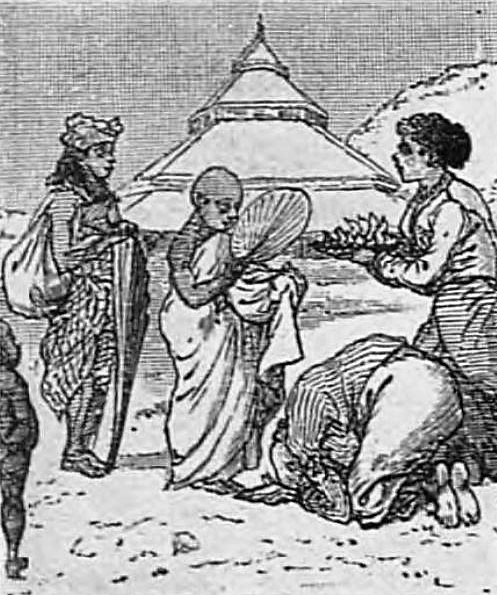
used in reference to a grovelling or obsequious appeal for financial help (1903)—originally a bowl carried by a Buddhist monk to receive food (1878)
Read Morea Latin-American country that is politically unstable because its economy, controlled by U.S. capital, wholly depends on the export of bananas
Read MoreUSA—‘hatchet man’ (1874): a hired Chinese assassin using a hatchet or cleaver—‘hatchet work’ (1895): a murder carried out by a hatchet man
Read Morefrom Old French and Anglo-Norman ‘aveir de peis’, ‘goods of weight’, as distinguished from the goods sold by measure or number
Read Morepayday—UK, 1831, theatrical slang—from ‘Hamlet’, where Horatio asks the Ghost if he walks because he has “hoorded treasure in the wombe of earth”
Read More
