‘the lion’s share’ (UK, 1790)—calque of French ‘le partage du lion’ (now ‘la part du lion’)—from ‘The Heifer, the She-Goat, and the Ewe, in partnership with the Lion’, a fable by Jean de La Fontaine (1621-95)
USA—‘to look, or to feel, (like) a million dollars’, or ‘(like) a million bucks’: to look, or to feel, extremely good, or extremely attractive (early 20th century)—sometimes used in contrast to ‘like thirty, or 30, cents’: cheap, worthless (late 19th century)
originally: a child wearing the house key tied around their neck and staying in the streets while their mother is at work—USA, 1935: a poor Afro-American woman’s child—USA & UK, WWII: a child whose mother was engaged in war industry
from the notion that even a dead cat will bounce if dropped from a sufficient height—UK, 1981: a rapid fall in the stock market with hardly any reaction—USA, 1985: a rapid but short-lived recovery in the stock market after a sharp fall—hence, 1992: any spurious success
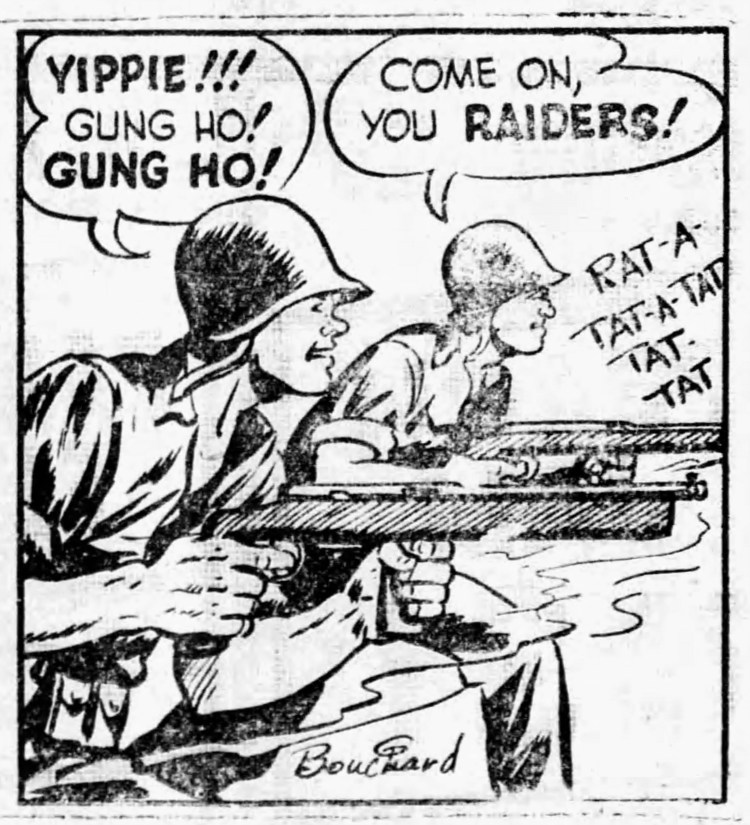
from Chinese ‘gōnghé’, short for ‘Zhōngguó Gōngyè Hézuò Shè’ (Chinese Industrial Cooperative Society)—interpreted as a slogan meaning ‘work together’ (USA, 1941)—adopted by Evans F. Carlson, commander of the 2nd Marine Raider Battalion (1942)
USA, 1916—used in collocation to seek or provide clarification between the two main meanings of ‘funny’: ‘funny-ha-ha’ means ‘funny’ in the sense ‘amusing’ or ‘comical’ – ‘funny-peculiar’ means ‘funny’ in the sense ‘strange’ or ‘peculiar’.
UK, 1945—‘demob happy’: feeling elated in anticipation of demobilisation from the armed forces—hence: in anticipation of the end of a job, assignment, etc.—in extended use: in anticipation of the end of any onerous or unpleasant period
UK, 1823—‘a hurried departure at night, especially from rented accommodation to avoid payment of rent owed’—‘flit’, noun use of ‘to flit’, originally used in Scotland and Northern England to mean ‘to move house or leave one’s home’
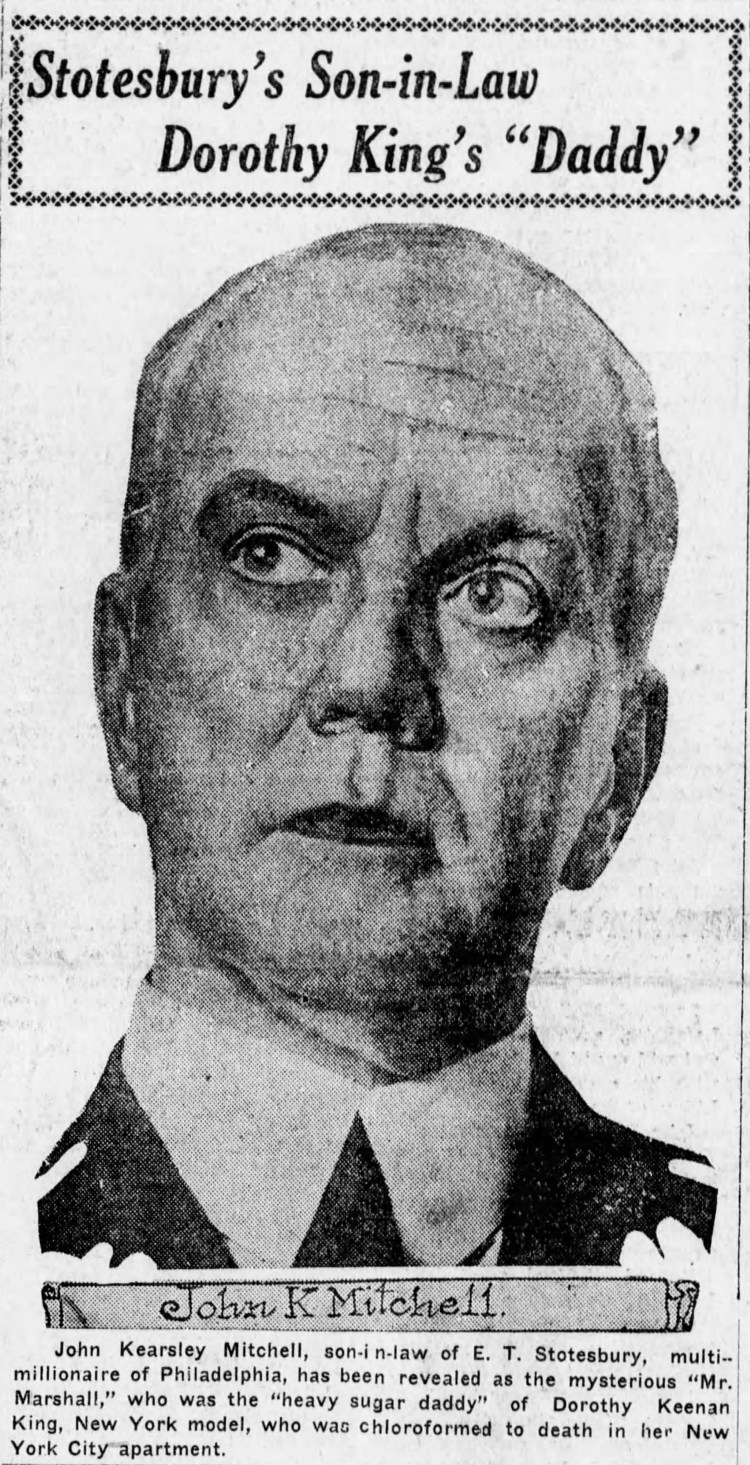
from ‘heavy-sugar daddy’ (USA, 1923), popularised by the murder of Anna Keenan (a.k.a. Dorothy King), who was a ‘heavy-sugar baby’, i.e., a woman ‘coated’ with ‘sugar’ (i.e., money) by a ‘daddy’ (i.e., an older man)
UK, 1788—denotes an auction in which the price is lowered by stages until a buyer is found—said to have been invented by the Dutch specifically as the best solution to selling tulip bulbs

 word histories