notes on the phrase ‘a penny bun costs twopence’
1911—expenses rise as soon as one marries or begins cohabiting, or even carries on a romantic relationship—antonym of ‘two can live as cheaply as one’
Read More
“ad fontes!”
1911—expenses rise as soon as one marries or begins cohabiting, or even carries on a romantic relationship—antonym of ‘two can live as cheaply as one’
Read MoreAmerican English, 1965—signification: to be kept in a state of ignorance and told nonsense—in use a few years later in Australian English and British English
Read MoreUSA, 1984—used to indicate that something is blatantly obvious—humorously from ‘Is the Pope Catholic?’ and ‘Does a bear shit in the woods?’
Read More2017-18: when confronted by nurses, both British Prime Minister and French President justified austerity policies by arguing that there is no magic money (tree)
Read More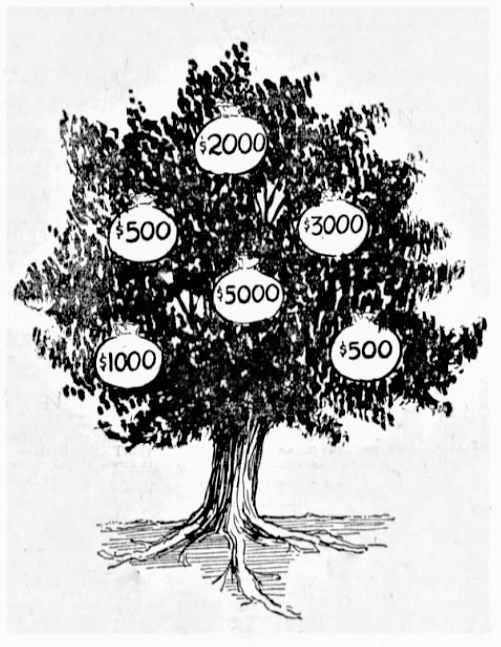
‘money tree’ (UK, 1749): a source of easily obtained or unlimited money—‘to shake the money tree’ (UK, 1851)—related to proverb ‘money does not grow on trees’
Read More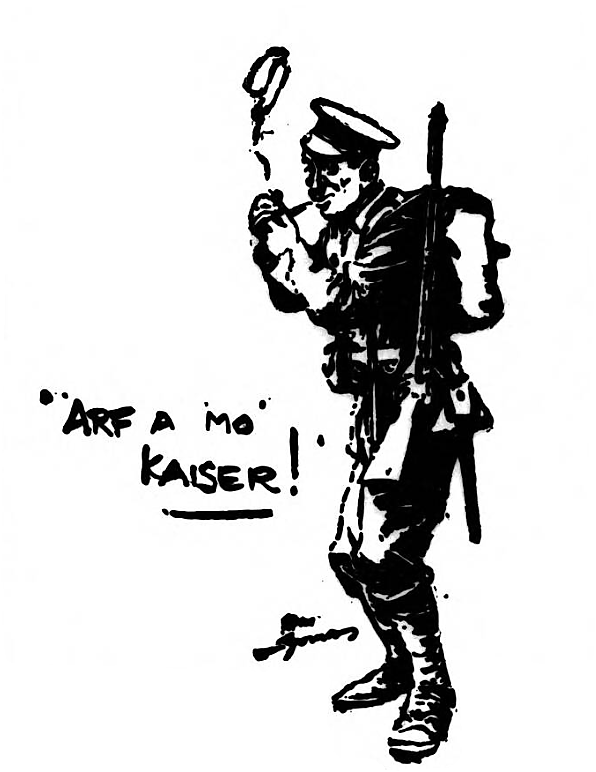
“half a moment, Kaiser!”—1914 as the caption to a drawing by Bert Thomas, published in the Weekly Dispatch (London) to advertise a tobacco fund for soldiers
Read More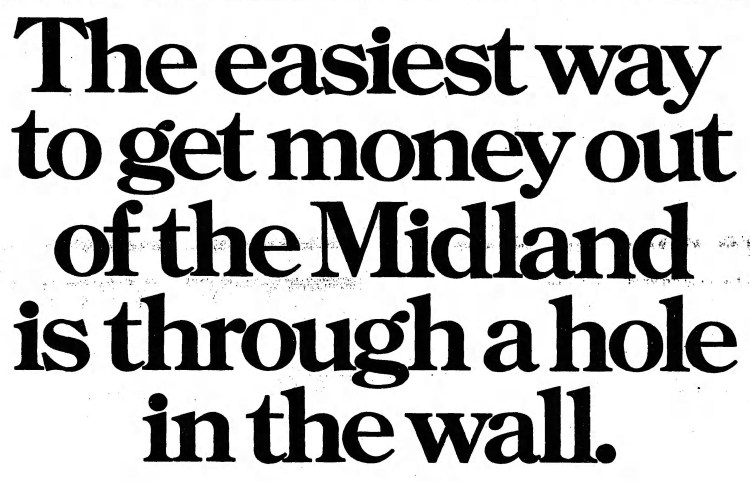
1980—an automated teller machine installed in the wall of a bank or other building—first used attributively of machines operated by Lloyds Bank
Read More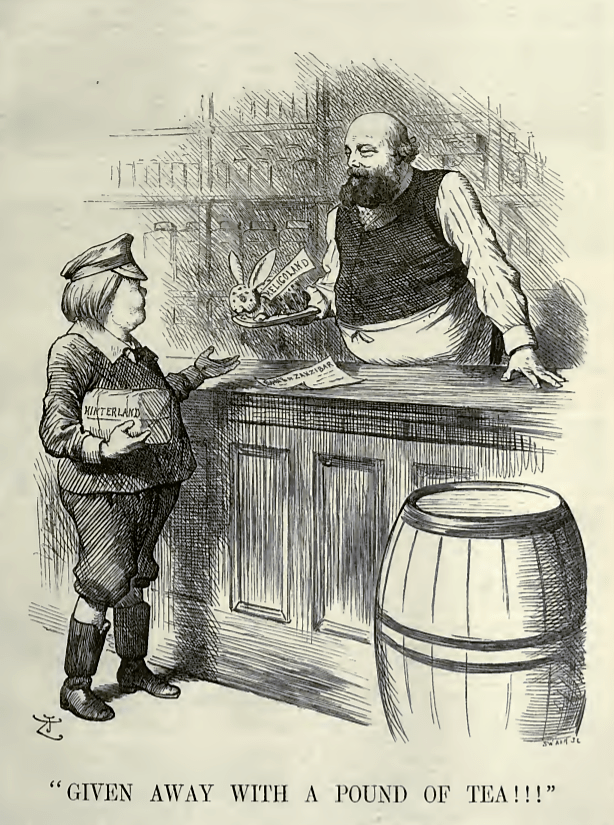
UK, 1881—used of something considered tawdry—from the grocers’ former practice of making a free gift with every pound of tea or with any fair-sized order
Read More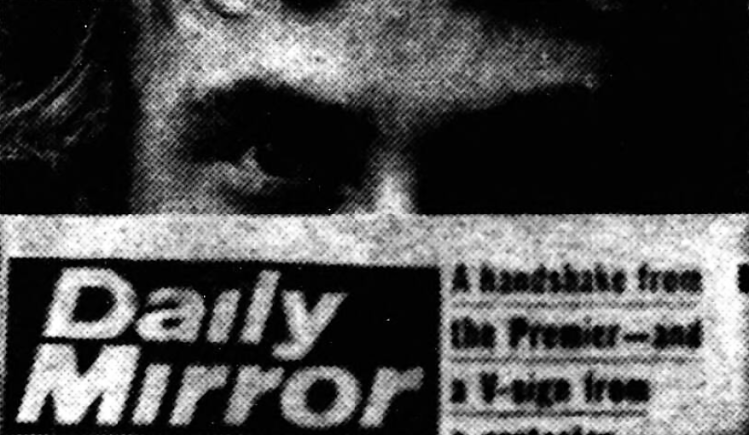
1973—a mystery man the Daily Mirror has challenged its readers to identify in order to claim prize money—‘Chalkie’ typical epithet for people surnamed ‘White’
Read More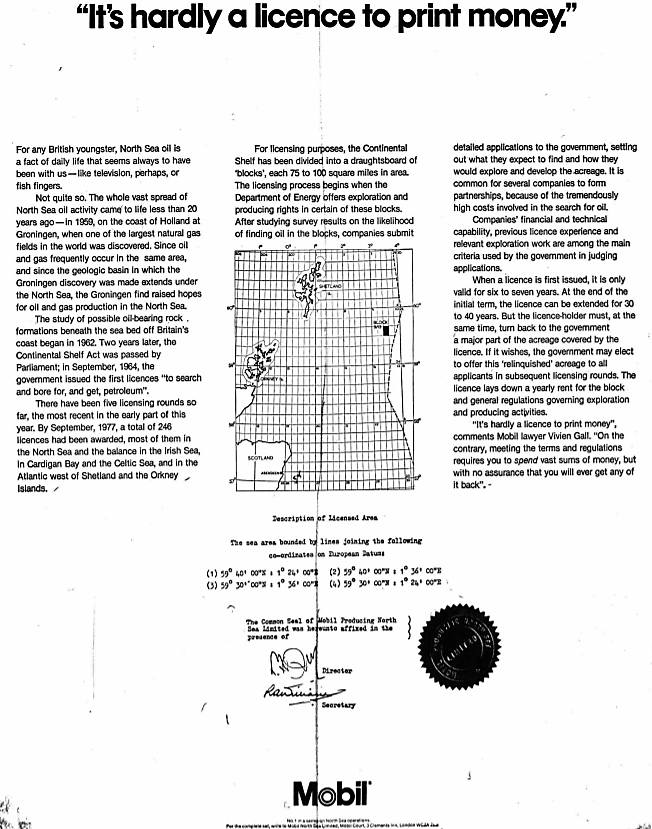
North America, 1943: used of owners of professional baseball teams—Britain, 1958: used of the franchises granted for running commercial television stations
Read More
