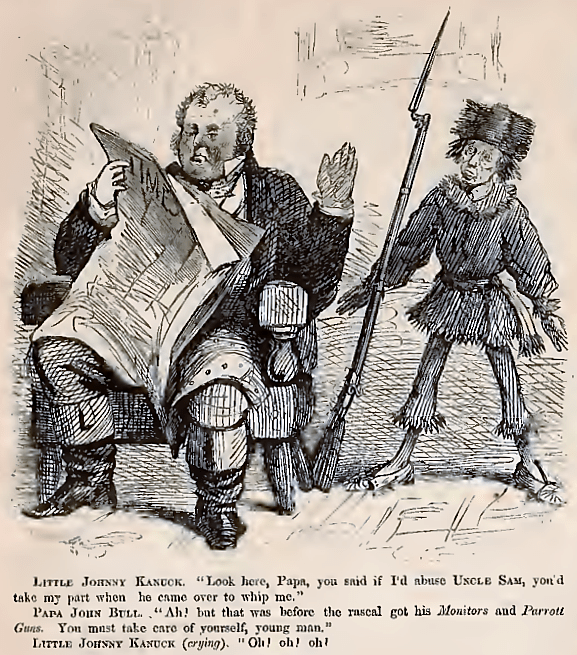
USA, 1858—a personification of the Canadian nation; Canadian people collectively; as a count noun: a Canadian—from ‘Canuck’, meaning Canadian—‘Johnny’ is used with modifying word to designate a person of the type, group, profession, etc., specified
Australia—‘charity dame’ 1949—‘charity moll’ 1962—an amateur prostitute who charges less than the usual rate—from ‘Moll’, pet form of the female forename ‘Mary’, the noun ‘moll’ has long been used to designate a prostitute
a chaotic or disastrous situation that holds a ghoulish fascination for observers—UK, 1980, as ‘like viewing a car crash in slow motion’—USA, 1991, used without ‘like’ by George Colony, president of Forrester Research
1942—an arena of fierce or ruthless rivalry—borrowed from French: literally ‘basket of crabs’—the image is of crabs fighting, if not devouring one another, when kept in a basket
UK, 1930—used of a man who pretends to be well-off despite having little money—the image is of a man of limited means who spends what he has on smart clothes, and therefore cannot afford any breakfast
UK, 1934—used of a person who pretends to be well-off despite having little money—the image is of a person who has expensive curtains on the windows of their house, but subsists on a diet of inexpensive fish
no money, nothing—UK, 1864, in a text by the British scholar D’Arcy Wentworth Thompson—from ‘n-’ in the determiner ‘no’, meaning ‘not any’, and ‘-uppence’ in ‘tuppence’
China, 1849—extortion—from ‘squeeze’, denoting a forced exaction or impost made by a Chinese official or servant, and ‘pidgin’ in its original sense of business
Scotland, 1941—of a person, manner of speaking, etc.: affectedly refined or cultivated, pretentious—from the fact that a pan-loaf (i.e., a loaf baked in a pan or tin, having a hard, smooth crust), being more expensive than a plain loaf, was considered a sign of affluence
UK, 1927—affected, pompous—from ‘pound note’ and the suffix ‘-ish’, meaning ‘having the qualities of’—the image is probably of someone who pretends to be worth a pound sterling when they are actually worth less