‘chateau tap-water’ | ‘Château-la-Pompe’
tap-water likened to a grand cru—in reference to ‘château’ in names of wines of superior quality—in French ‘Château-la-Pompe’ (i.e. ‘Château-the-Pump’), ‘pompe’ denotes a device for raising water
Read More
“ad fontes!”
tap-water likened to a grand cru—in reference to ‘château’ in names of wines of superior quality—in French ‘Château-la-Pompe’ (i.e. ‘Château-the-Pump’), ‘pompe’ denotes a device for raising water
Read Morewine, especially cheap wine of inferior quality—UK, 1973—from ‘château’ (as used in names of expensive wines of superior quality made at vineyard estates) and ‘plonk’, denoting cheap wine of inferior quality
Read Moreto vomit, especially from drunkenness—slang, obsolete—1609 as ‘to jerk the cat’—perhaps alludes to the fact that cats are prone to vomit—cf. also the obsolete French verb ‘renarder’, to vomit, from the noun ‘renard’, denoting a fox
Read MoreAustralia, 1954—extremely ugly; extremely tired—the noun ‘sandshoe’ denotes a light canvas shoe with a rubber sole
Read MoreUSA, 1955—diarrhoea suffered by travellers, especially in Mexico—alludes to the Aztec emperor Montezuma II (c.1466-1520), who was captured by the Spanish and died in captivity
Read MoreAustralia, 1933—an addict of cheap wine or/and of methylated spirits—apparently coined jocularly after ‘Wyandotte’, denoting a domestic chicken of a medium-sized American breed
Read MoreUSA, 1978—to commit suicide; to demonstrate unquestioning obedience or loyalty—alludes to a mass suicide, in 1978, by members of the Peoples’ Temple in Jonestown, Guyana, who drank a cyanide-laced drink thought to be similar to Kool-Aid
Read More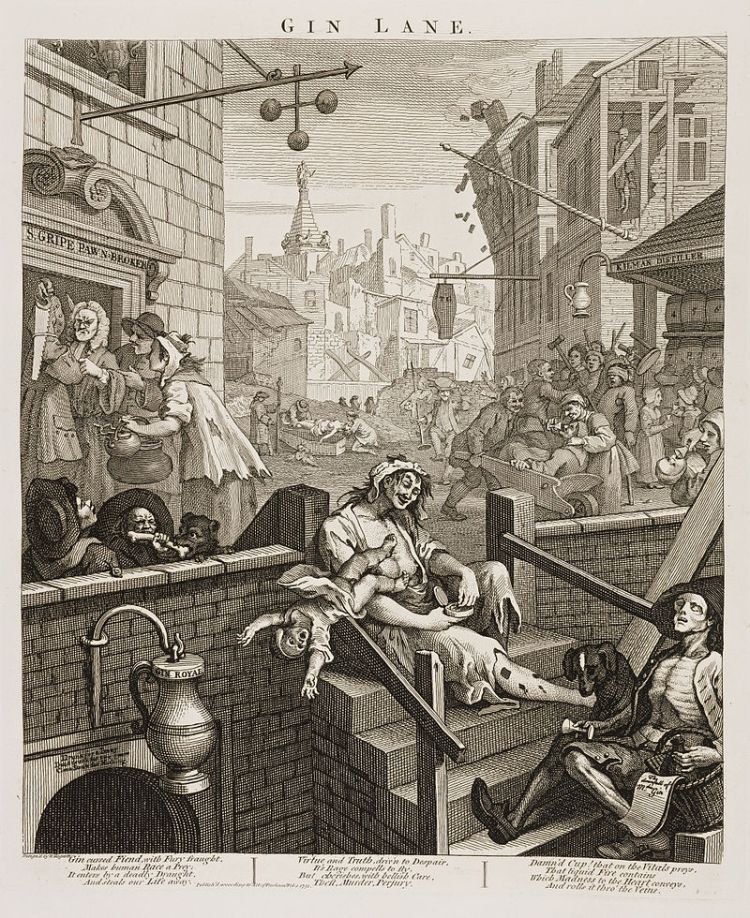
UK, 1904—denotes gin (i.e., a clear alcoholic spirit distilled from grain or malt and flavoured with juniper berries)—‘mother’s ruin’ alludes to the evils caused by the consumption of gin
Read More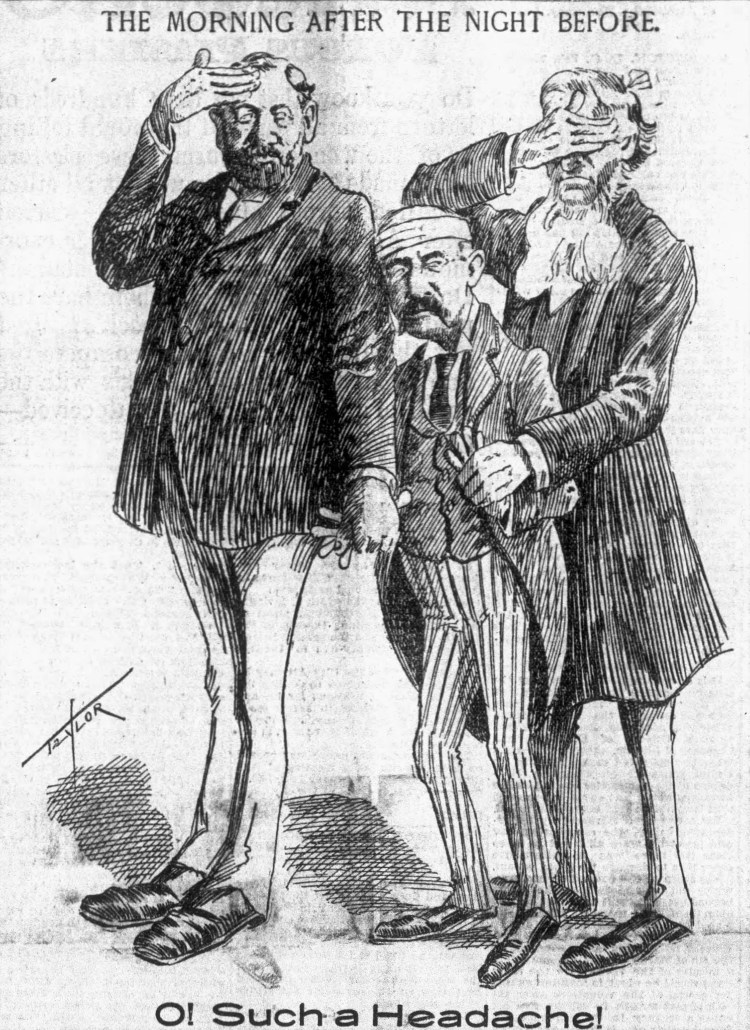
UK, 1860—the morning after an evening of drinking, when one has a hangover—in extended use: the morning after any night of excessive revelry
Read More1922, slang of high-school and university students in Kansas City (Missouri) and in Kansas: a fashionable young man who enjoys socialising with women at tea parties or other social events—1924: a diplomat employed by the U.S. State Department, regarded as being excessively occupied with entertaining dignitaries and doing little meaningful work
Read More word histories