meaning and origin of the phrase ‘the tail wags the dog’
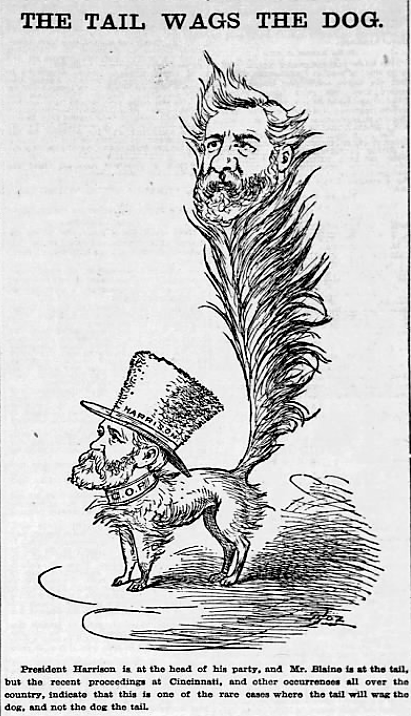
USA, 1870—an unimportant or subsidiary factor, person or thing dominates the situation—based on the image of the inversion of the natural order
Read More
“ad fontes!”
USA, 1870—an unimportant or subsidiary factor, person or thing dominates the situation—based on the image of the inversion of the natural order
Read More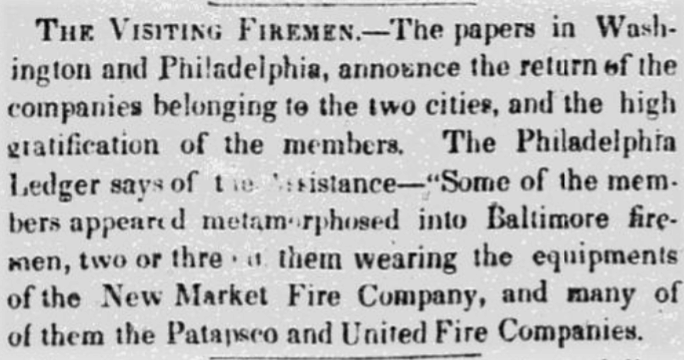
USA, 1909—a person given especially cordial treatment while visiting an organisation or place; a tourist expected to spend freely
Read More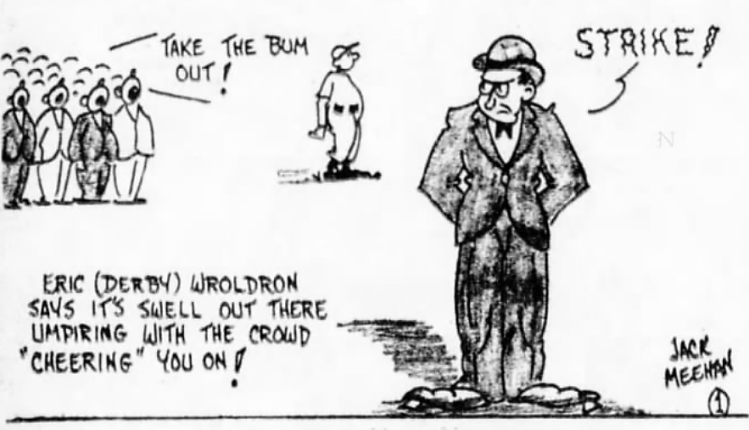
USA, 1927—to face up to the realities of an unpleasant situation—popularised by American advice columnist Ann Landers (Esther Pauline Lederer – 1918-2002)
Read More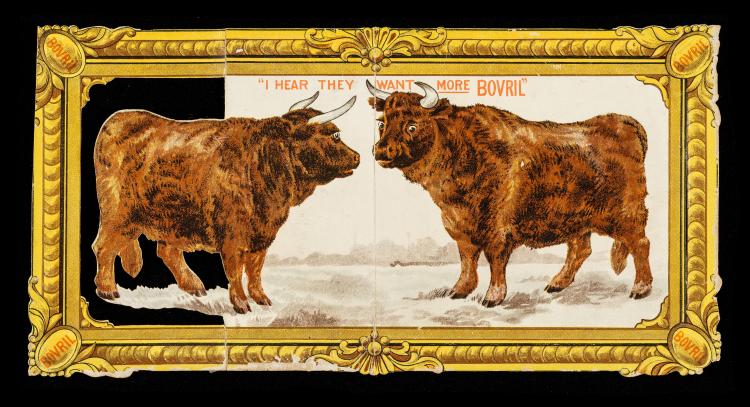
from an advertisement for the concentrated beef extract Bovril, showing a bullock lamenting over a jar of the product
Read MoreEngland, 1971—(informal, humorous) the fans of the Scottish football team, considered as a group
Read More
a view on the manner in which catchphrases created by comedians and advertising gain currency
Read More
very easy to accomplish—USA, 1902, although recorded in 1898 with perhaps a different meaning
Read MoreUK, 1930—‘as the bishop said to the actress’, ‘as the actress said to the bishop’: mischievously implies a sexual innuendo or ambiguity in a preceding innocent remark
Read MoreUK, 1831—In ‘beer and skittles’, denoting unmixed enjoyment, the image is of a person drinking beer while playing skittles.
Read Morecomparison between a drunken person and a ship careering because the sheets (ropes controlling the sets of the sails) are hanging freely
Read More
