origin and sense development of the verb ‘shanghai’
USA—1853 to kidnap for service aboard ship—seems to have originated in San Francisco—refers to Shanghai in China, the ships in question going to eastern Asia
Read More
“ad fontes!”
USA—1853 to kidnap for service aboard ship—seems to have originated in San Francisco—refers to Shanghai in China, the ships in question going to eastern Asia
Read More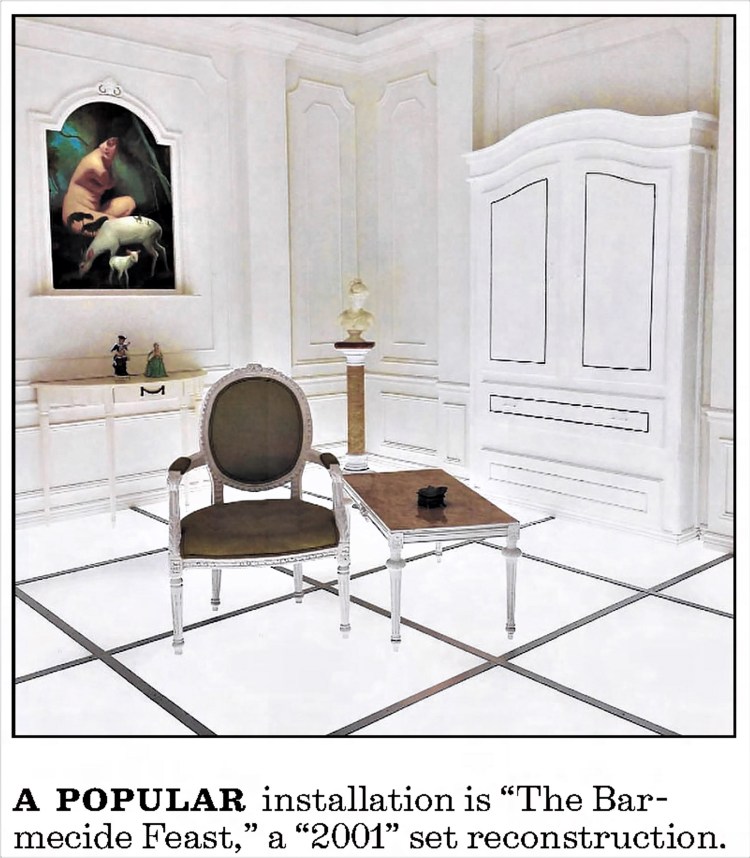
UK, 1823—pretended or illusory generosity or hospitality—from the name of a prince in The Arabian Nights, who gave a beggar a feast consisting of empty dishes
Read More
UK, 1933—a substantial breakfast including hot cooked foods such as bacon, sausages, eggs and baked beans
Read More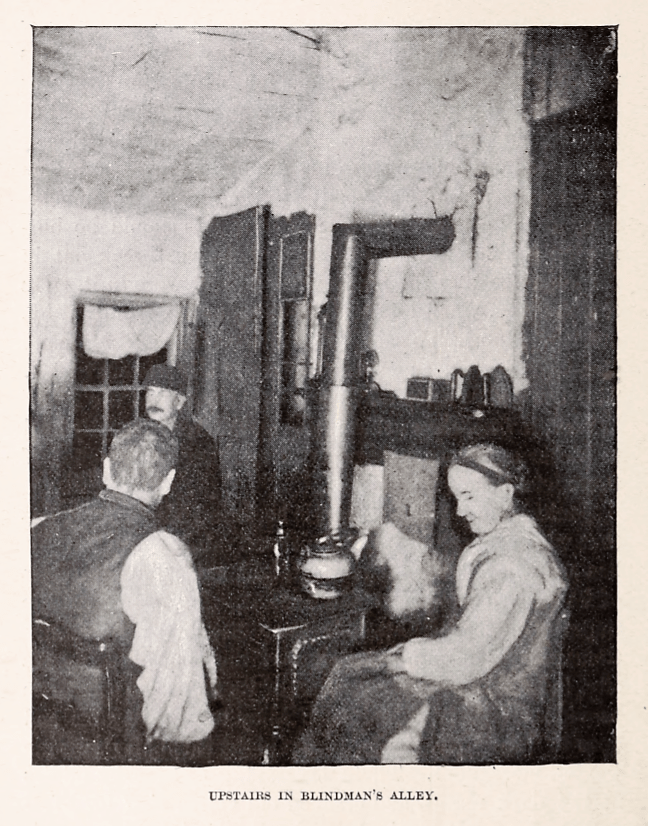
UK, 1849: cheap dingy eatery, as a translation from German—USA, from 1862 onwards: brothel, squalid lodging-house, bar; 1897: cheap dingy eatery
Read More
1850, in The Times of London, apparently as a translation from German—later instances (Minnesota, 1891-98) also associated with German to an extent or another
Read More
‘cheese-eating surrender monkeys’: the French people (USA, 1995) from The Simpsons—‘tea-drinking surrender monkeys’: the British people (Ireland, 2004)
Read More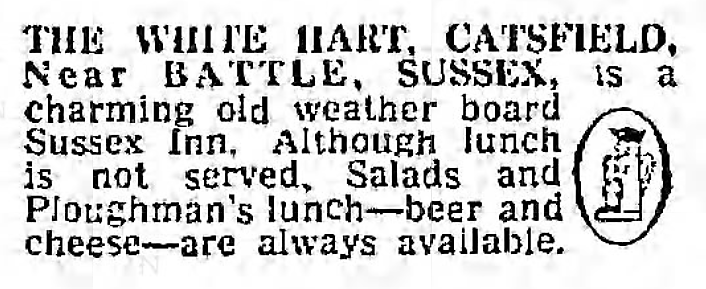
1957—coined as a marketing term by the Cheese Bureau, an organisation formed to promote the sales of cheese, when it began encouraging pubs to serve this meal
Read MoreUK, 1915—to be lavish in one’s celebrations or spending—Army and Navy slang: to buy a round of drinks—’a boat’ might be metaphorical for ‘a glass’ (i.e., ‘a drink’)
Read More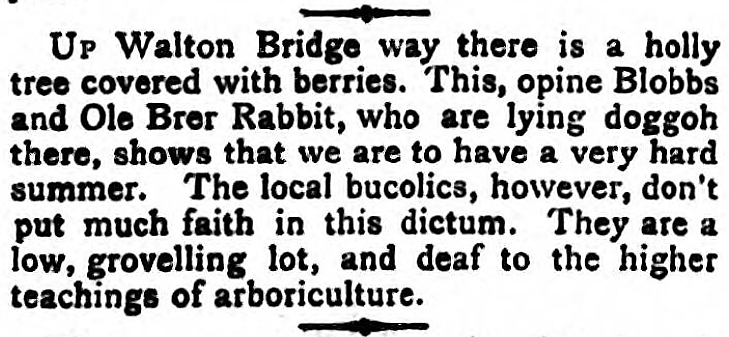
UK, 1882—to remain motionless and quiet; to keep a low profile—probably from ‘dog’ and suffix ‘-o’, with allusion to the characteristically light sleep of a dog
Read More
USA, 1868—‘brass tacks’: the nails studded over a coffin, hence figuratively the end of any possibility of deceit, the return to essentials
Read More
