origin of the Irish-English phrase ‘up the pole’ (‘pregnant’)
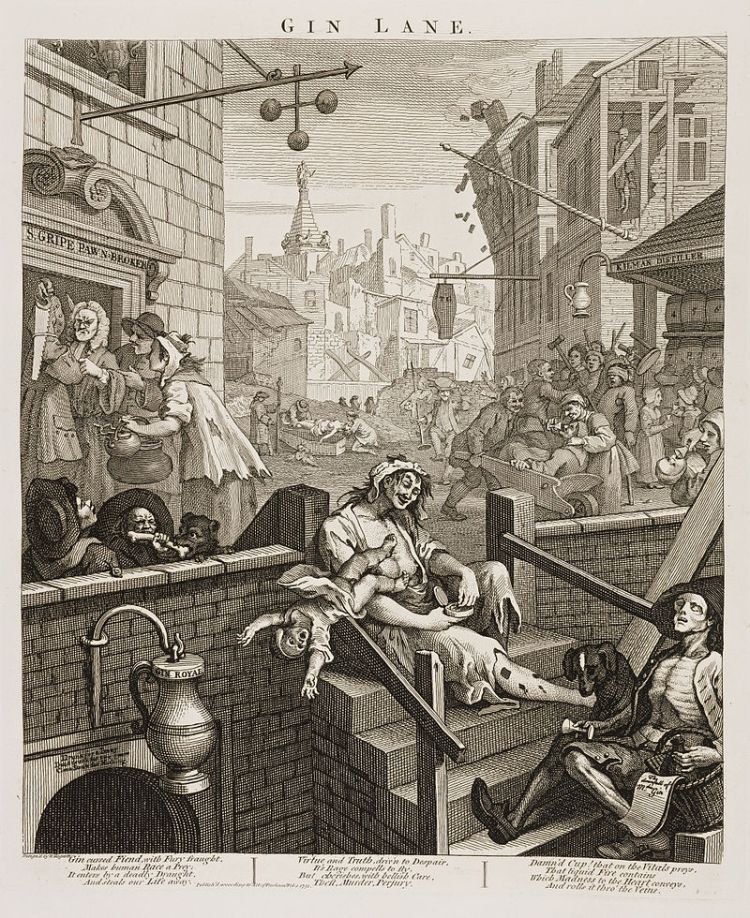
probably refers to pregnancy as an awkward condition, the image being apparently of an uncomfortable position at the top of a pole
Read More
“ad fontes!”
probably refers to pregnancy as an awkward condition, the image being apparently of an uncomfortable position at the top of a pole
Read More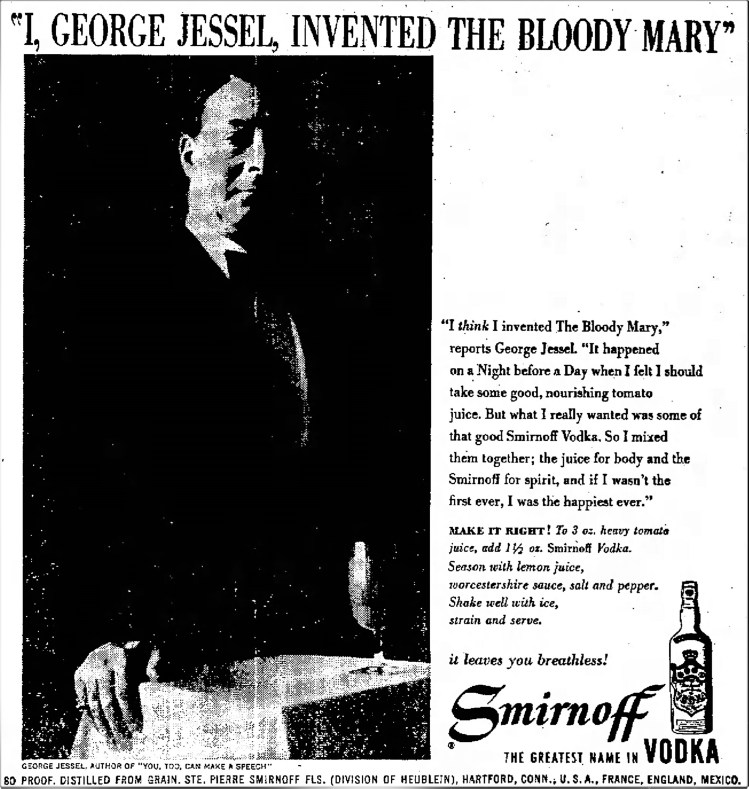
It seems that the American comedian George Jessel (1898-1981) invented the Bloody Mary and named it after Mary Brown Warburton (1896-1937).
Read Morecoined as ‘tired and overwrought’ in ‘Private Eye’ (London) of 29 September 1967 about British Labour politician George Brown (1914-85)
Read MoreUnnamed cocktails consisting of vodka and tomato juice became fashionable in the 1930s before the name ‘Bloody Mary’ was coined in November 1939.
Read MoreUSA—‘hatchet man’ (1874): a hired Chinese assassin using a hatchet or cleaver—‘hatchet work’ (1895): a murder carried out by a hatchet man
Read Moremeaning: everybody imaginable—UK, 1898 in extended form, 1899 in current form—alludes to the names listed in the Devon ballad ‘Widdecombe Fair’
Read More‘a snowball’s chance in hell’: no chance at all (USA, 1880)—elliptically, ‘a snowball’s chance’ (USA, 1895)—in the 1880s, ‘a snowball in hell’ was also used as a term of comparison to denote something that disappears rapidly
Read MoreIn the phrase ‘sleep tight’ (USA, 1873), the adjective ‘tight’ is used as an adverb meaning ‘soundly’, i.e. ‘deeply and without disturbance’, as in the combination ‘tight asleep’ (USA, 1847).
Read More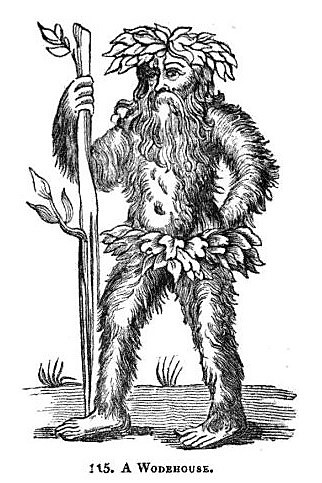
three meanings: 1/ in outdoor pageants: a man dressed in greenery, representing a wild man of the woods—2/ in inn names and signs: a forester—3/ in medieval English churches: a representation of a man’s face composed of, surrounded by, or sprouting foliage or branches
Read MoreUSA, Boston Morning Post, 26 May 1834—‘Dutch uncle’: a person giving firm but benevolent advice—unknown origin—perhaps an allusion to Calvinistic sternness
Read More word histories