the origin of the word ‘bully’?
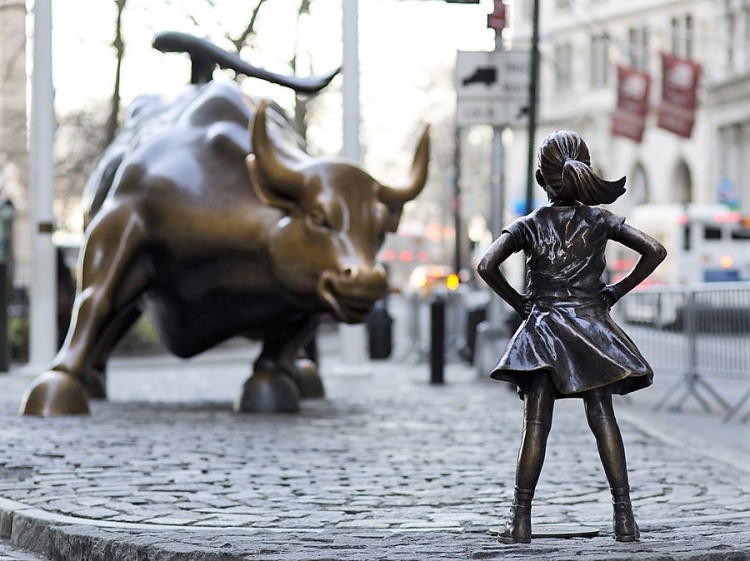
noun (late 17th cent.), perhaps from ‘bull’ (= bovine)—possibly distinct from ‘bully’ (mid-16th cent.), ‘darling’, probably from Middle Dutch ‘boele’, ‘lover’
Read More
“ad fontes!”
noun (late 17th cent.), perhaps from ‘bull’ (= bovine)—possibly distinct from ‘bully’ (mid-16th cent.), ‘darling’, probably from Middle Dutch ‘boele’, ‘lover’
Read More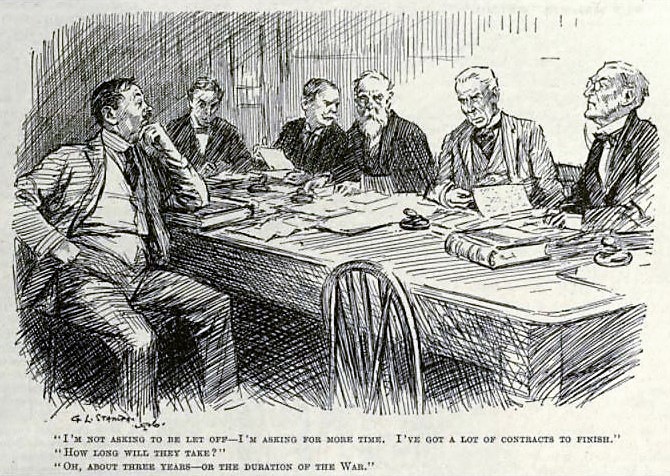
UK, 1917—originally used of the First World War, from the term of enlistment ‘for three’, or ‘four’, ‘years or for the duration of the war’
Read More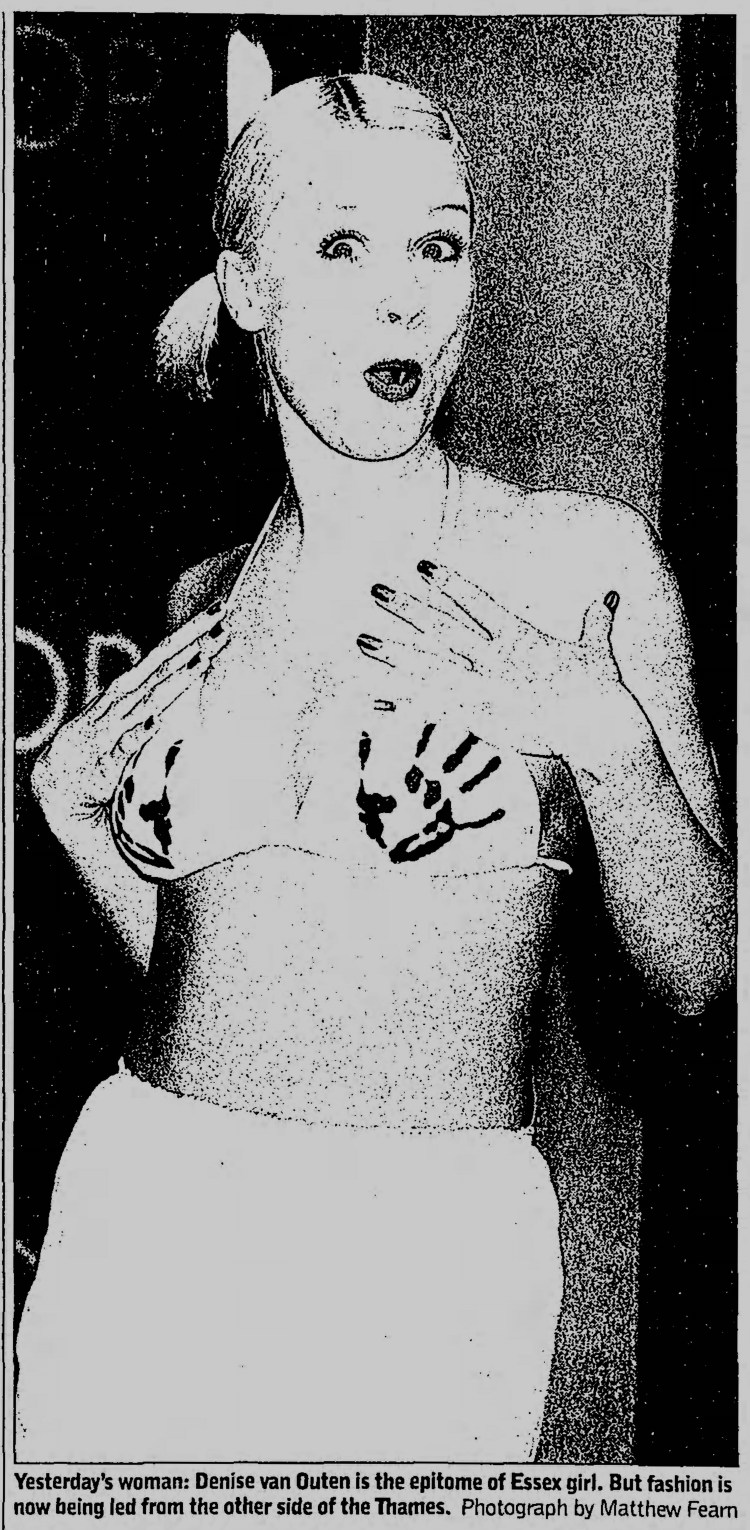
UK, 1990s—either from Romany ‘čhavo’, an unmarried Romani male, a male Romani child, or from English or Anglo-Romany ‘chavvy’, a baby, a child
Read More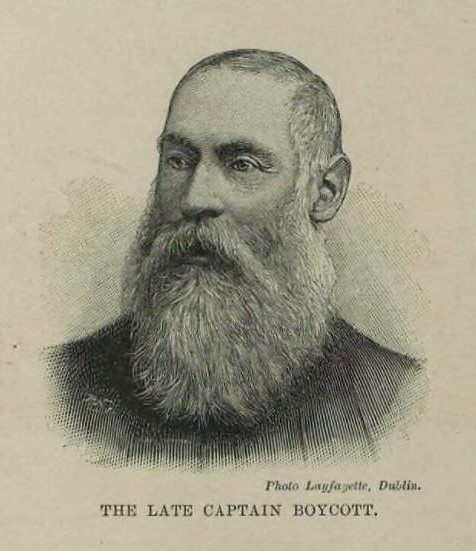
from the name of Captain Charles C. Boycott, land agent in Ireland, who was ostracised for refusing to reduce rents during the Land League agitation in 1880
Read Moremid-19th cent.—perhaps from a specific application of the general term of abuse ‘Frog’, aided by the shared initial consonant cluster in ‘French’ and ‘frog’
Read Moremoonraker: a native of Wiltshire; from the tale that some of them mistook the reflection of the moon in a pond for a cheese and tried to rake it out.
Read More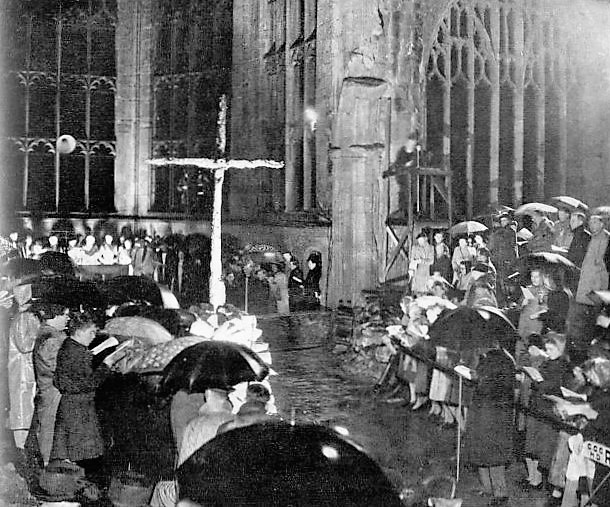
probable origin: in 1642, during the English Civil War, Royalists had been captured at Birmingham and sent to Coventry, which was a Parliamentarian stronghold.
Read More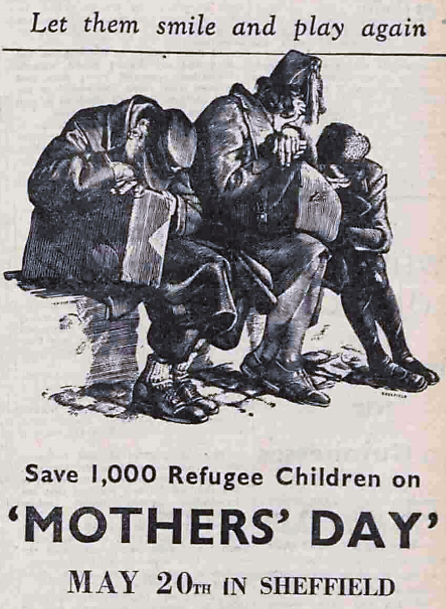
Kindertransport (from German ‘Kinder’, children): operation from 1938 to 1940 to evacuate (mostly Jewish) children from Nazi-controlled areas of Europe to the UK
Read MoreThe word ‘tyke’, a nickname for a person from Yorkshire, originally meant ‘mongrel’. The people from Yorkshire have adopted it as a term of self-reference.
Read More
plate 19: La Trénis, Contredanse source: gallica.bnf.fr / Bibliothèque Nationale de France from the 1931 reprint of the caricatures published under the title of Le Bon Genre (1827 edition), including Observations sur les modes et les usages de Paris; the following comment about La Trénis accompanies this plate: (Année 1805.) Cette danse porte le […]
Read More word histories