Eating in the Romance languages

In Latin, short words having complicated irregularities in their forms gave way to simpler words with regular patterns and longer phonetic individualities.
Read More
“ad fontes!”
In Latin, short words having complicated irregularities in their forms gave way to simpler words with regular patterns and longer phonetic individualities.
Read More‘mardy’: ‘sulky’, ‘moody’—from ‘mard’, dialectal alteration of ‘marred’, meaning, of a child, ‘spoilt’, and the suffix ‘-y’, meaning ‘having the qualities of’
Read More
The phrase ‘everything but the kitchen sink’, or ‘the kitchen stove’, and variants mean ‘practically everything imaginable’—origin: USA, early 20th century
Read More
‘Wash the milk off your liver’: refers to the digestibility of milk, but misunderstood by the Oxford English Dictionary as referring to cowardice
Read More
original meaning of ‘kidnap’, late 17th century—to steal or carry off children or others in order to provide servants or labourers for the American plantations
Read Moreto get credit or money by using a fraudulent financial instrument; to send an illicit or secret note; to find out in what direction affairs are tending
Read More
19th century, northern England—apparently a variant of ‘geck’, of Germanic origin, meaning ‘a fool’, ‘a dupe’, ‘an oaf’
Read Morethe troubles and activities of the world—literary or humorous, from Hamlet’s speech “to be or not be”—‘coil’: probably from Middle French ‘acueil’, encounter
Read More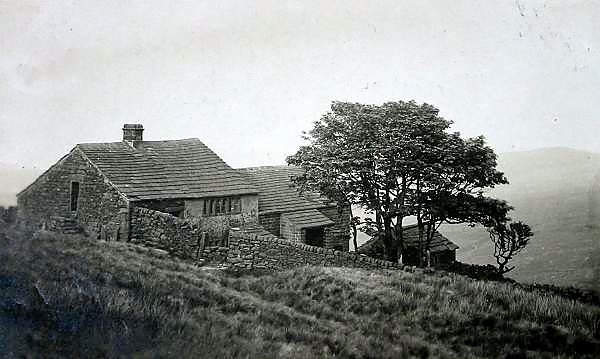
In the name of the farmhouse, ‘wuthering’ is a “provincial adjective, descriptive of the atmospheric tumult to which its station is exposed in stormy weather.”
Read More
This phrase originated in the history of American slavery: the river was the Mississippi and down implied the transfer of slaves from north to south.
Read More word histories