‘to know —— like the back of one’s hand’ – ‘connaître —— comme sa poche’
first attested in David Balfour (1893), by Robert Louis Stevenson—French equivalent ‘connaître comme sa/ses poche(s)’ (‘to know like one’s pocket(s)’ – 1791)
Read More
“ad fontes!”
first attested in David Balfour (1893), by Robert Louis Stevenson—French equivalent ‘connaître comme sa/ses poche(s)’ (‘to know like one’s pocket(s)’ – 1791)
Read More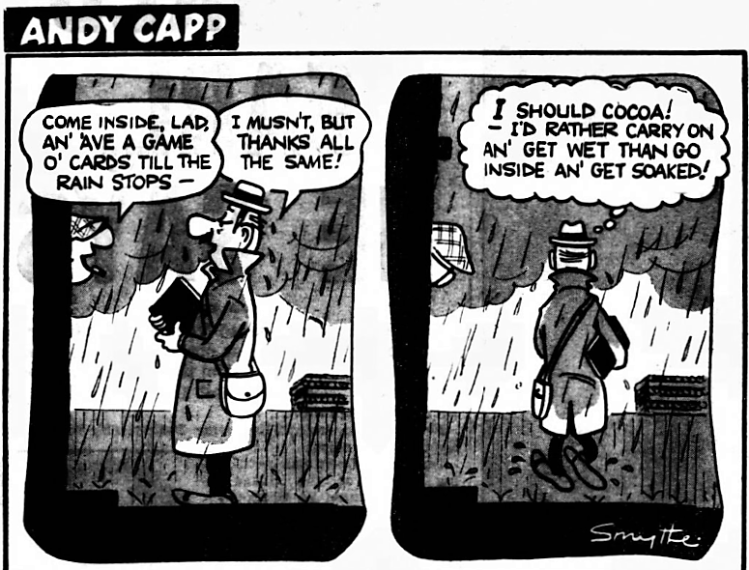
UK slang, 1936—emphatic agreement, though often ironical—‘cocoa’ is said to be rhyming slang for ‘so’ in ‘I should say so’
Read MoreUSA, 1797—alludes to legendary outlaw Robin Hood—’barn’ (metaphor for the country as supply of food) was applied to any large space
Read More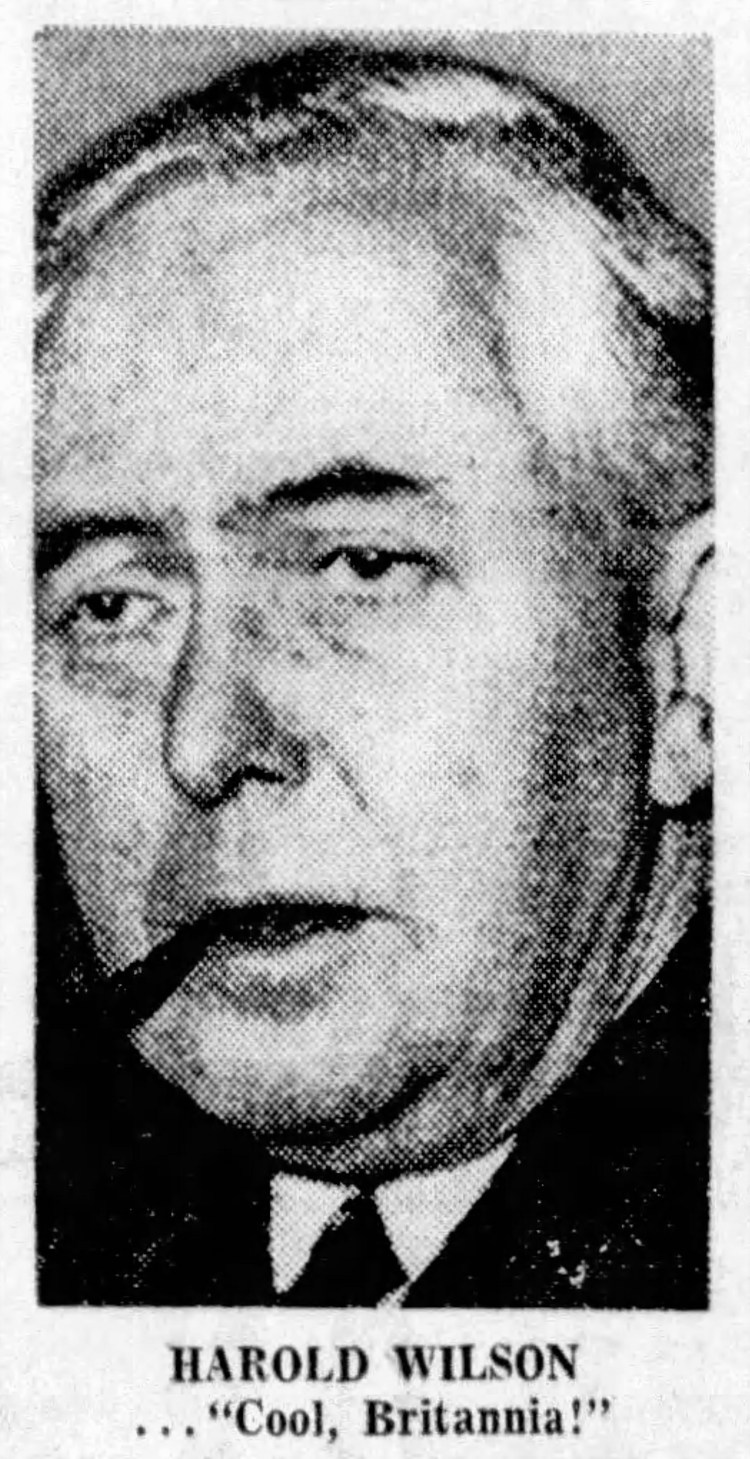
UK and Canada, from 1903 onwards—punningly alludes to ‘Rule Britannia’ (1740), the title of a popular patriotic song
Read More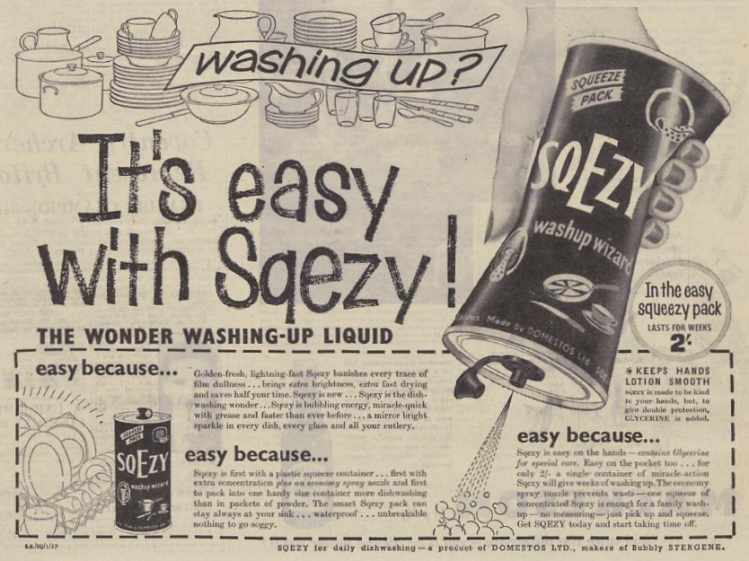
Contrary to what is claimed, ‘easy-peasy’ doesn’t seem to be of British origin, nor to be connected with the British washing-up liquid Sqezy.
Read More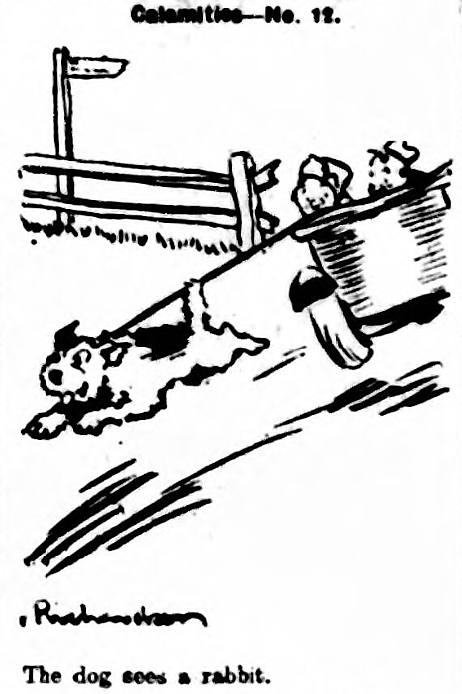
1893—to allow someone to get on with their task—originated in Wales with reference to fair-mindedness in sports
Read More
Scotland, 1914: ‘buroo’, informal form of ‘bureau’ (generic sense)—later used specifically in the sense of Labour Bureau, hence of unemployment benefit (1921)
Read MoreUSA, 1889—humorous, informal: a hen’s egg—composed of ‘cackle’, the raucous clucking cry given by a hen, especially after laying an egg, and of ‘berry’
Read More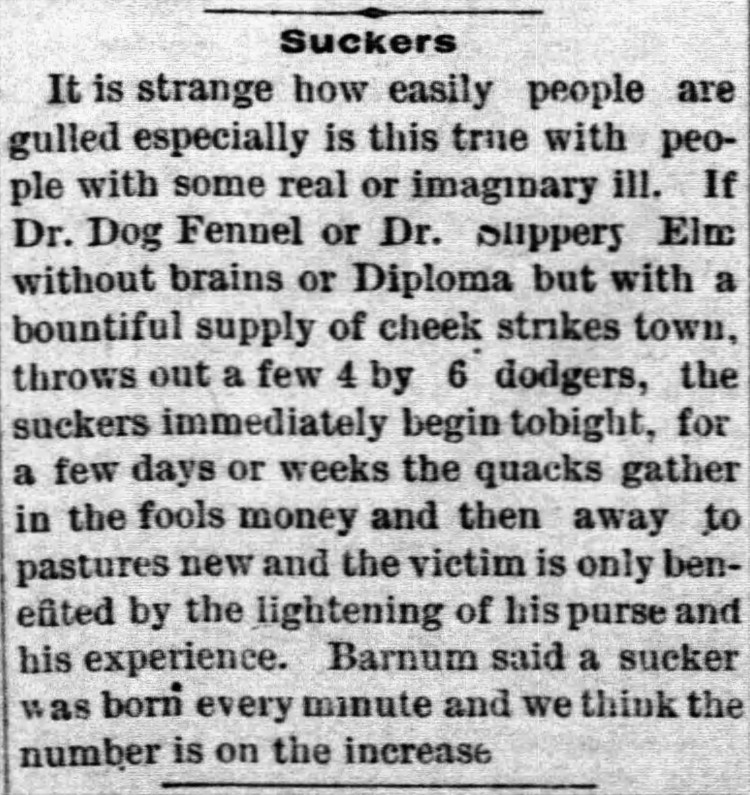
UK, 1806—expresses dismay or glee at the gullibility of people—originally used by those who were exploiting the credulity of others
Read More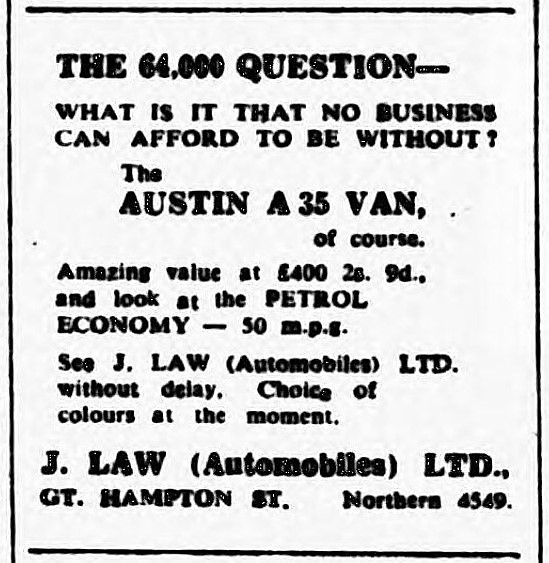
1956—a crucial question or issue—from The 64,000 Question, the name of a TV quiz show adapted from U.S. TV programme The $64,000 Question
Read More word histories