notes on the earliest mention of a drink called ‘cocktail’
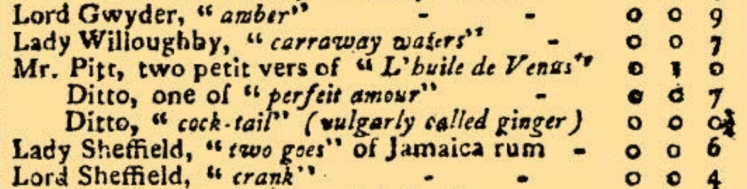
UK, 1798—‘cocktail’ explained as being “vulgarly called ginger”—perhaps from the use of ‘ginger’ to denote a cock with red plumage
Read More
“ad fontes!”
UK, 1798—‘cocktail’ explained as being “vulgarly called ginger”—perhaps from the use of ‘ginger’ to denote a cock with red plumage
Read More
USA, 1936—serves as a mnemonic for remembering to set the clocks when daylight-saving time comes into effect and when it ends
Read More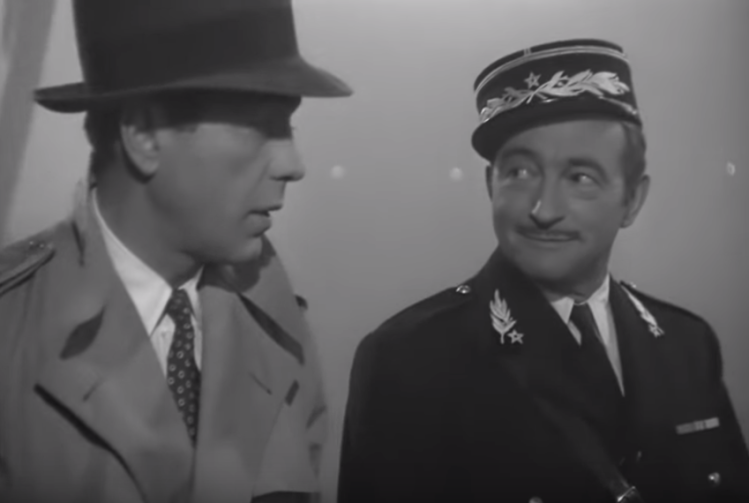
USA, 1932—originally used of the impunity enjoyed by gangsters when one of them was murdered—therefore, did not originate in the 1942 film Casablanca
Read More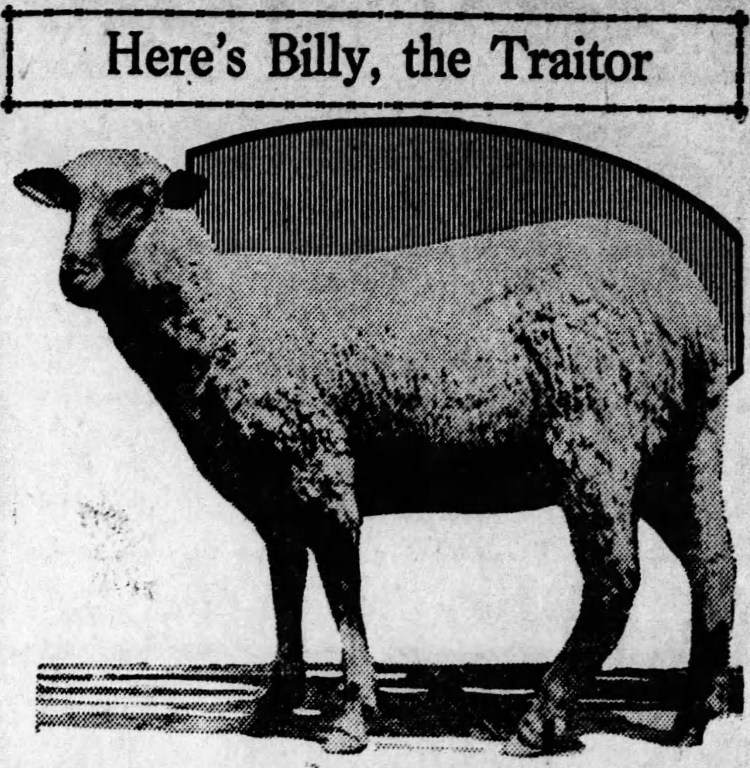
USA, early 20th century—a sheep or a goat used to lead sheep to slaughter—hence any person or thing used as a decoy to lure people into being caught, arrested, etc.
Read More
a man and woman in the act of copulation—English: earliest in Shakespeare’s Othello—perhaps a calque of French: earliest in Rabelais’s Gargantua (1542)
Read Moree.g. ‘one eye at St. Paul’s and the other at Charing-cross’, ‘un œil aux champs et l’autre à la ville’ (one eye at the fields and the other at the town)
Read More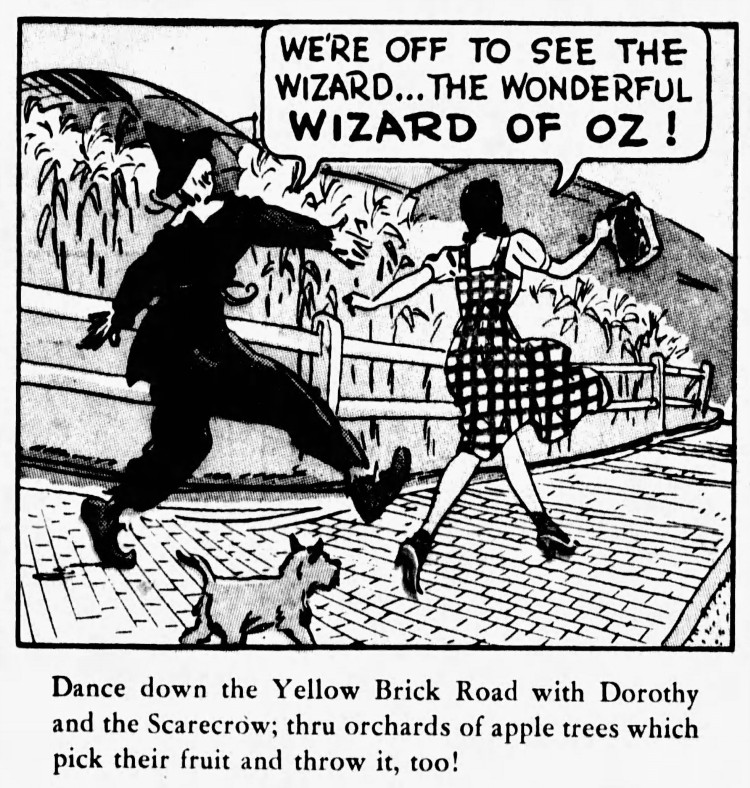
USA, 1939—road to success or happiness—from the road paved with yellow brick in Baum’s 1900 novel The Wonderful Wizard of Oz and the 1939 film The Wizard of Oz
Read More
The letter ‘s’ in both the nouns currently spelt ‘island’ and ‘aisle’ is due to folk-etymological association of those words with the unrelated noun ‘isle’.
Read More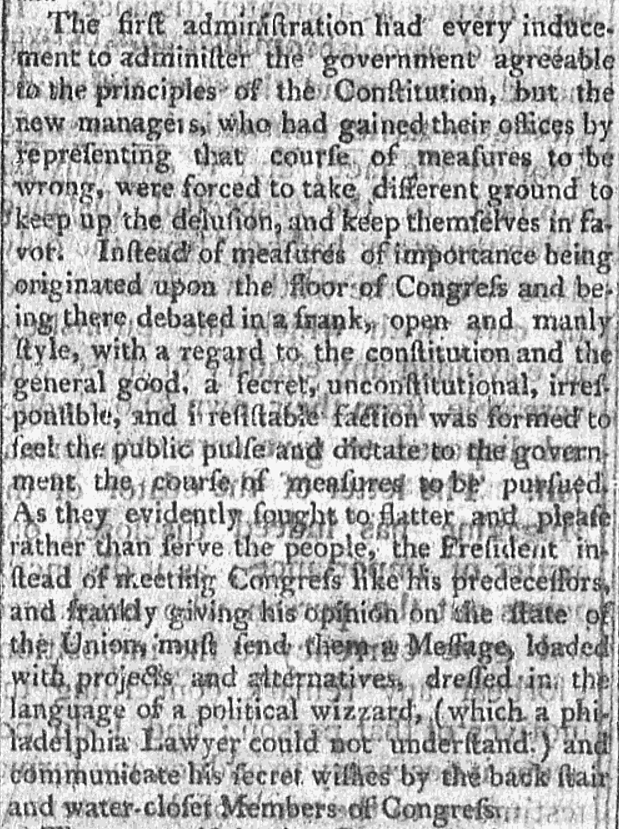
USA, 1788—an able, clever lawyer; now often one who is unscrupulous in the manipulation of the law—from Philadelphia lawyers’ reputation since the colonial period
Read More1999—a cold as experienced by a man who is regarded as exaggerating the severity of the symptoms—popularised by British magazine Nuts in 2006
Read More word histories