‘Jesus Hilton’: meaning and origin
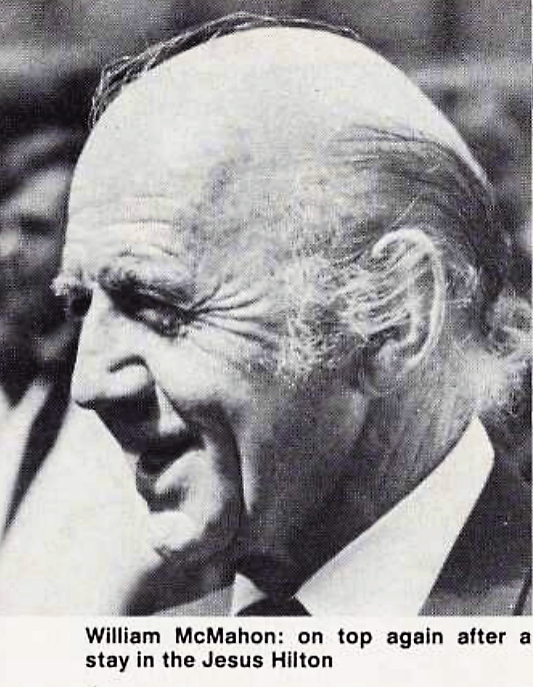
Australia—familiar name of St Vincent’s Private Hospital, Sydney—‘Jesus’ refers to the fact that the hospital is operated by a religious organisation—‘Hilton’ alludes to the hospital’s plushness
Read More
“ad fontes!”
Australia—familiar name of St Vincent’s Private Hospital, Sydney—‘Jesus’ refers to the fact that the hospital is operated by a religious organisation—‘Hilton’ alludes to the hospital’s plushness
Read MoreAustralia, 1876—a person drinking alone at a bar; a drink taken alone—origin unknown—perhaps related to ‘Johnny Warder’, denoting “an idle drunkard who hangs about pub corners looking for a drink”
Read MoreUK, 1928—of a public-house: very basic and lacking in comforts—refers to the former practice of covering the floor of a public-house with sawdust into which customers spat
Read More1914—the colloquial British-English phrase ‘to pop one’s clogs’ means ‘to die’—while ‘clog’ designates a shoe with a thick wooden sole, the acceptation of the verb ‘to pop’ is obscure
Read More1546—originally designated the period of time following a wedding, and arose from the comparison of the mutual affection of newly-married persons to the changing moon, which is no sooner full than it begins to wane
Read More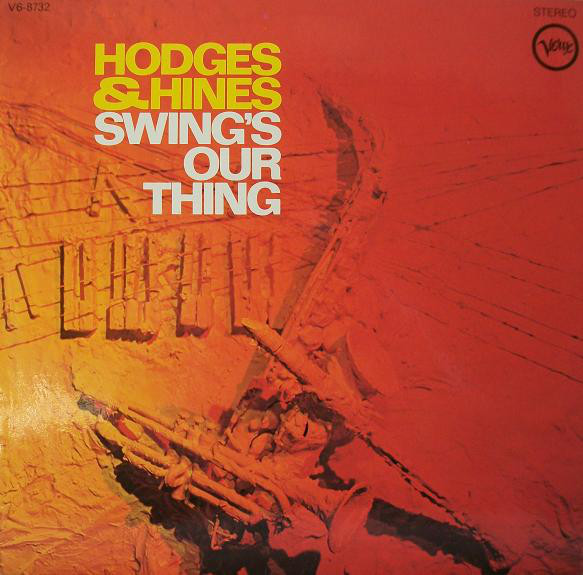
USA, 1967—emphatic negative phrase meaning ‘well, hardly’ or ‘no, that’s impossible’—used as the title of a jazz piece composed by Johnny Hodges—said to be a folk phrase that he had heard “out West”
Read MoreAustralia, 1951—used of someone who has departed and left no indication of their present whereabouts—purportedly from the story of one Malley, who was told by his boss to hold a cow; on the boss’s return, the cow had disappeared, and Malley said “She’s a goner!”
Read MoreAustralia, 1960—very fit and well, in robust health—the image is of a bull strengthened by his living in one of the semi-desert areas of Australia in which the principal vegetation is mallee, i.e., low-growing bushy eucalyptus
Read MoreUK, 1785—has been used to address a red-haired person—sometimes followed by the retort ‘there’s enough water in yours to put it out’ and variants
Read More
Australia, 1944—to the greatest possible extent; sated with food—refers to a large floppy bow worn at the neck
Read More word histories