‘Piccadilly window’: meaning and origin
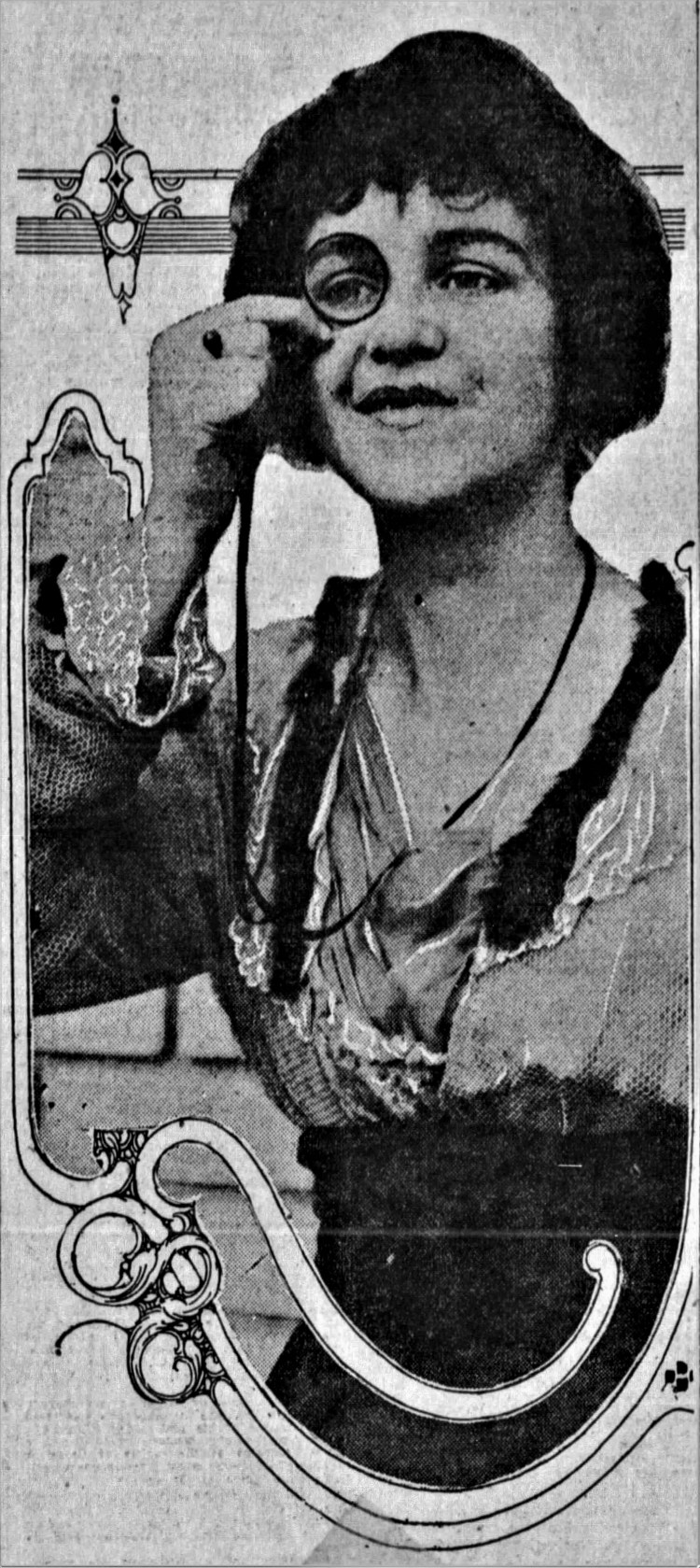
UK, 1897—‘Piccadilly window’: a monocle—hence ‘Piccadilly-windowed’: monocled—alludes to ‘Piccadilly’, the name of a street and of a circus (i.e., a rounded open space) in London
Read More
“ad fontes!”
UK, 1897—‘Piccadilly window’: a monocle—hence ‘Piccadilly-windowed’: monocled—alludes to ‘Piccadilly’, the name of a street and of a circus (i.e., a rounded open space) in London
Read More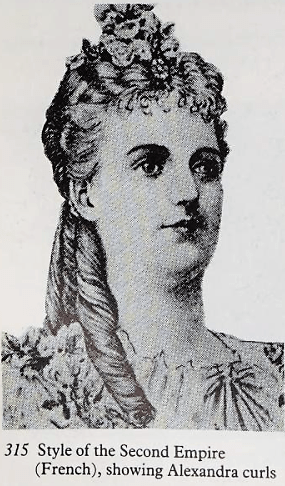
UK, 1869—a limping gait affected by some members of fashionable society in imitation of Alexandra of Denmark, who developed a limp after contracting rheumatic fever in 1867—‘Alexandra’ was used to form compounds designating things popularised by, or associated with, Alexandra of Denmark, consort of Edward VII
Read MoreUK, 1933—a jump made with a parachute—hence also the verbal noun ‘brolly-hopping’ and the verb ‘brolly-hop’—‘brolly’ (university slang, late 19th century): a clipped and altered form of ‘umbrella’
Read MoreUK, 1896—the clitoris—likens the clitoris, placed between the inner labia of the vulva, to a person in a boat
Read More
classical Latin ‘mare nostrum’, literally ‘our sea’: one of the names given by the Romans to the Mediterranean Sea—USA, 1824: any sea or other stretch of water belonging to, or under the control of, a nation
Read More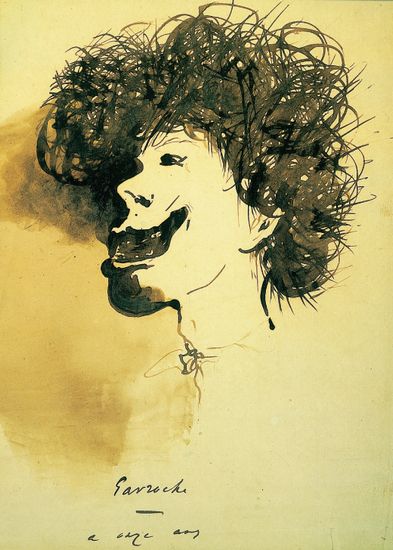
USA, 1863—a street urchin, especially in Paris, France—from ‘Gavroche’, the name of a street urchin in Les Misérables (1862), a novel by Victor Hugo
Read More1687—used in negative and interrogative constructions, ‘bread and butter’ denotes a matter which one has the right to express an opinion on, involve oneself in, etc.
Read More‘to have two left feet’: to be clumsy or awkward—postdates synonymous ‘to have two left hands’ (1815), loan translation of French ‘avoir deux mains gauches’—‘left’ has long been associated with inferior performance, awkwardness and insincerity
Read MoreUK, 1849—transformation into a pumpkin; extravagant or absurdly uncritical glorification—coined after Hellenistic Greek ‘ἀποκολοκύντωσις’, the title of a travesty ascribed to Seneca, according to which the deceased Roman emperor Claudius, instead of being elevated to divine status, is changed into a pumpkin
Read MoreUK, 1826—a place behind the bony point of the elbow at which a knock results in a sensation of tingling pain—in early use was perhaps partly punning on the homophones ‘humerus’ and ‘humorous’
Read More word histories