notes on the earliest mention of a drink called ‘cocktail’
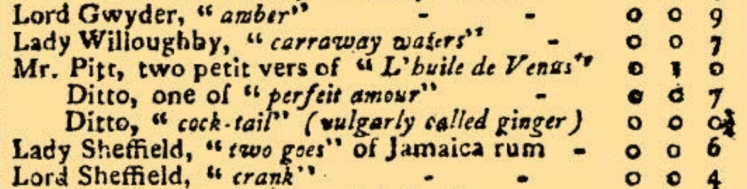
UK, 1798—‘cocktail’ explained as being “vulgarly called ginger”—perhaps from the use of ‘ginger’ to denote a cock with red plumage
Read More
“ad fontes!”
UK, 1798—‘cocktail’ explained as being “vulgarly called ginger”—perhaps from the use of ‘ginger’ to denote a cock with red plumage
Read More
UK, 1985—the blue flashing lights and two-tone siren used on an emergency vehicle when responding to an incident; by extension, the emergency services
Read More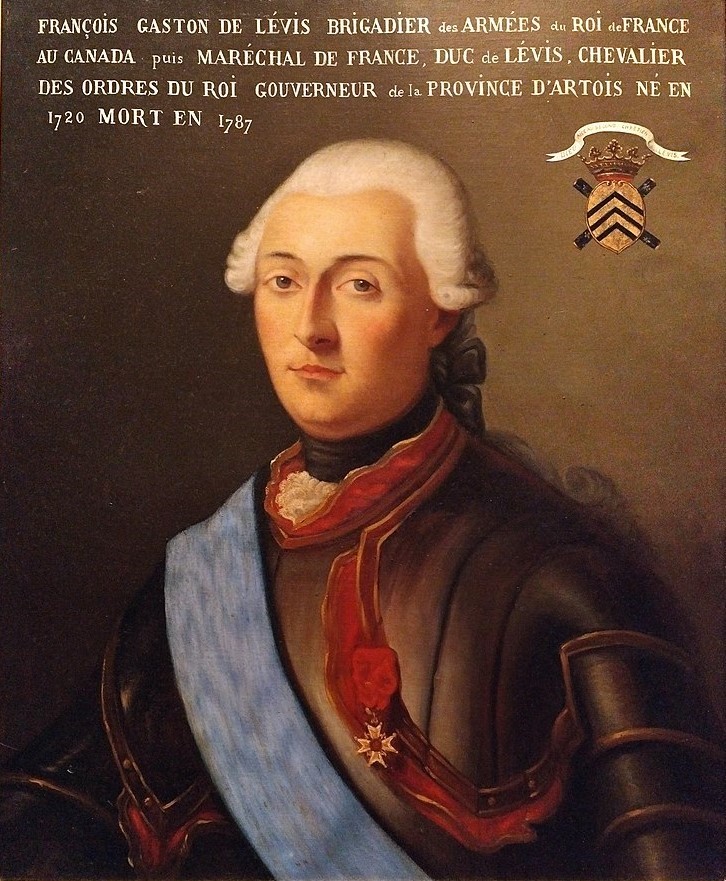
originally the sky-blue ribbon worn by the Knights-grand-cross of the French order of the Holy Ghost—applied by extension to other first-class distinctions
Read More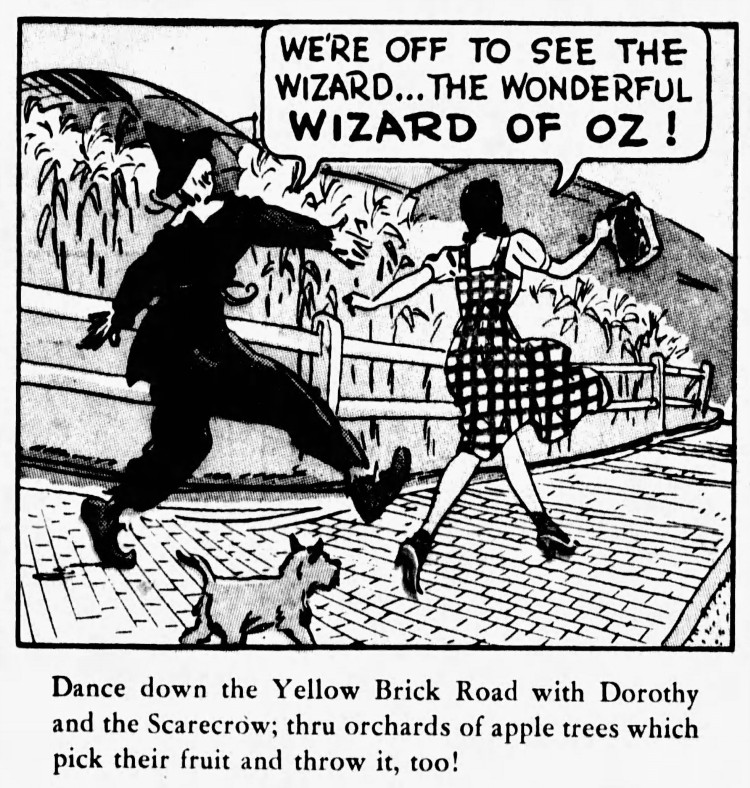
USA, 1939—road to success or happiness—from the road paved with yellow brick in Baum’s 1900 novel The Wonderful Wizard of Oz and the 1939 film The Wizard of Oz
Read More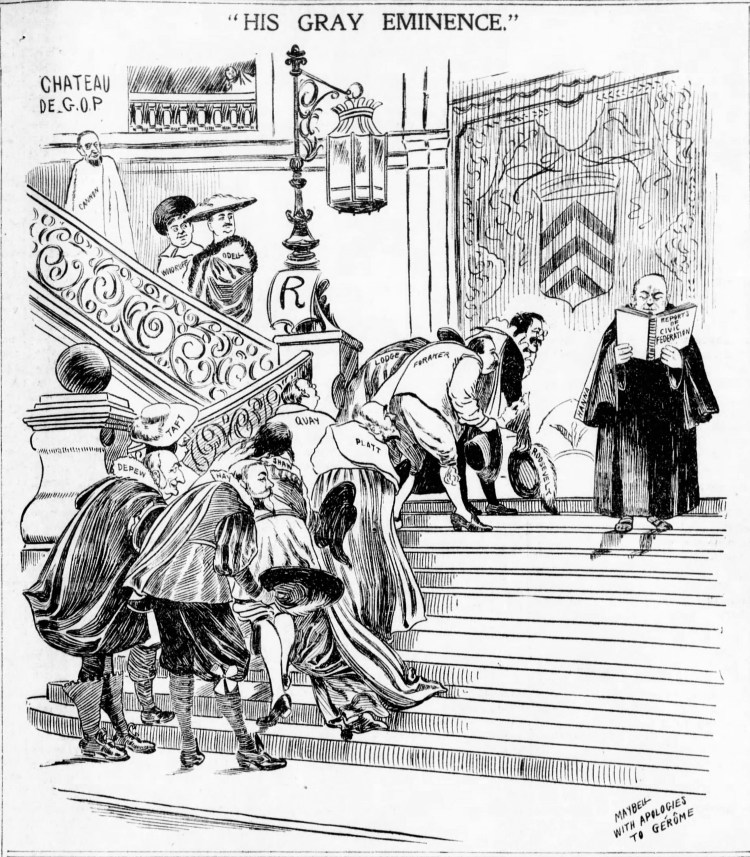
UK, 1877—a person who wields unofficial power and influence—originally applied to Père Joseph (François Leclerc du Tremblay), French friar, confidential agent of Cardinal Richelieu
Read MoreUSA, 1802 and 1851—translations from German—apparently from the idea that the area behind the ears is the last part to become dry after birth
Read More
to be sensible and intelligent—1784 in a US publication, but attributed to “a gentleman from abroad”—‘blue’, meaningless fanciful intensive, sometimes before ‘beans’
Read More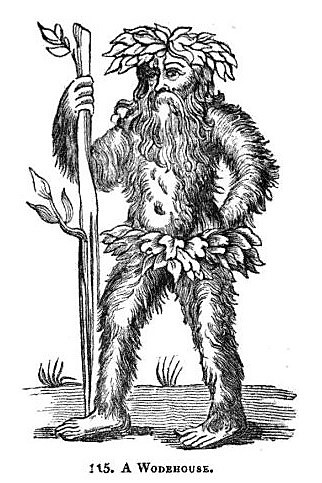
three meanings: 1/ in outdoor pageants: a man dressed in greenery, representing a wild man of the woods—2/ in inn names and signs: a forester—3/ in medieval English churches: a representation of a man’s face composed of, surrounded by, or sprouting foliage or branches
Read More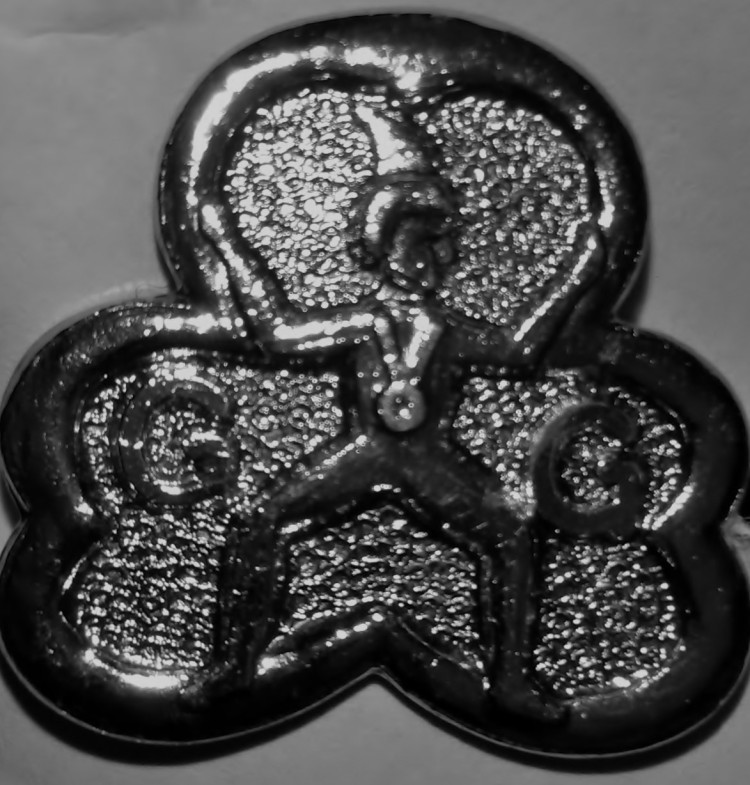
1916—from ‘brownie’, i.e. a benevolent elf that supposedly haunts houses and does housework secretly—not from the fact that the uniform of the junior Girl Scouts and Girl Guides is brown
Read More
first recorded in the Los Angeles Times (California) of 15 March 1951—possibly from ‘brownie’ in the sense of ‘a benevolent elf that supposedly haunts houses and does housework secretly’
Read More word histories