‘rose-coloured spectacles’: meaning and origin
UK, 1830—a happy or positive attitude that fails to notice negative things, leading to a view of life that is not realistic
Read More
“ad fontes!”
UK, 1830—a happy or positive attitude that fails to notice negative things, leading to a view of life that is not realistic
Read MoreUK, 19th century—‘red on the map’: the colonies and dominions of the British Empire—‘to paint the map red’: to expand the territory of the British Empire—from the colour used to represent British colonies and dominions on maps
Read MoreAustralia, 1950—a traffic warden in the state of New South Wales—‘brown’ probably refers to the colour of those traffic wardens’ uniform—‘bomber’ may refer to the fact that many of those traffic wardens were originally war veterans; or perhaps to the Australian-English use of the noun ‘bomb’ for an old car
Read Moremilitary slang, 1944—a medal awarded to all members of a force—especially the 1939-1945 Star, awarded to British service personnel who took part in WWII—refers to the ubiquitousness of Spam as a foodstuff
Read MoreAustralia, 1970—a Melbourne City Council parking officer—the adjective ‘grey’ refers to the colour of those officers’ uniform; the noun ‘meanie’ refers to the nastiness displayed by those officers in the accomplishment of their duties
Read MoreUSA—‘blue-sky talk’ 1900—‘blue-sky research’ 1947—the adjective ‘blue-sky’ is used to mean: (in negative sense) fanciful, hypothetical; (in positive sense) creative or visionary—from the notion of a blue sky as a place free from disturbances or difficulties
Read More
Australia, 1865—to be less of a fool than one appears to be—this phrase plays on two uses of the adjective ‘green’: 1) denoting the colour of growing vegetation, grass, etc. 2) denoting an inexperienced or naive person
Read More‘red rag’—a piece of red cloth used to provoke an animal—hence, figuratively, a source of provocation or annoyance, something which excites violent indignation—the notion occurs in the late 16th century
Read MoreUSA, 1893—the part of a town or city in which prostitution and other commercial sexual activities are concentrated—originally used of Louisville, Kentucky—from the use of a red light as a sign outside a brothel
Read More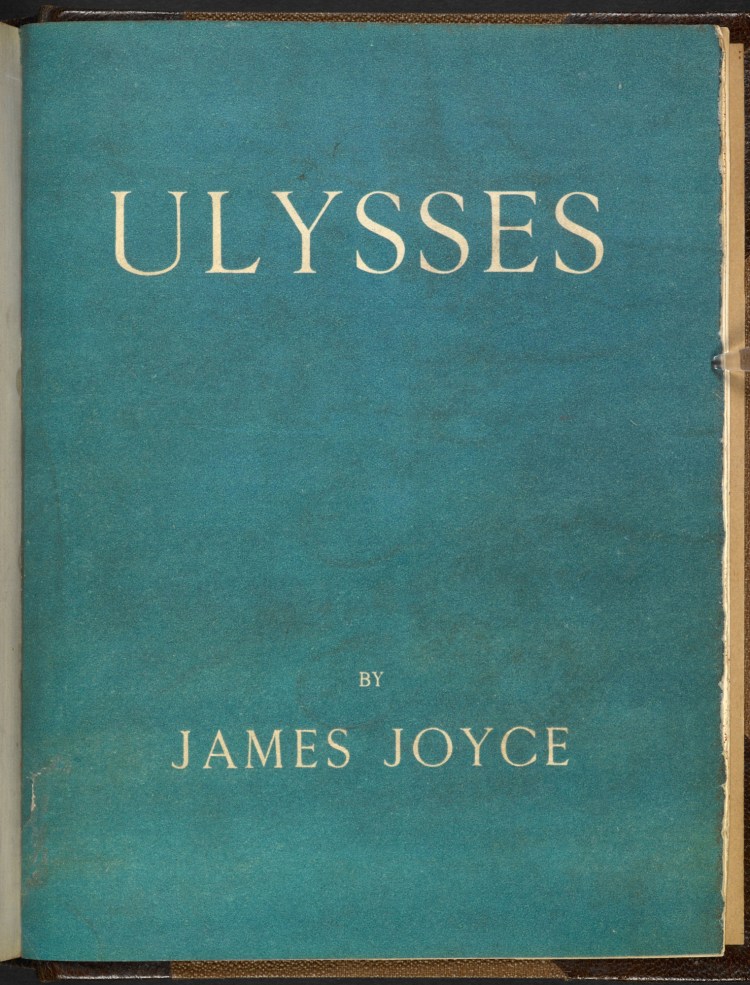
the 16th of June 1904; also the 16th of June of any year, on which celebrations take place, especially in Ireland, to mark the anniversary of the events in Ulysses (1922), by the Irish author James Joyce—Leopold Bloom is one of the central characters in Ulysses, in which all the action takes place on one day, the 16th of June 1904
Read More word histories