‘Lynchian’: meaning and origin
USA, 1982—characteristic, reminiscent or imitative of the films or television work of the U.S. filmmaker David Lynch (1946-2025)—also ‘Lynchean’, ‘David-Lynchian’ and ‘David-Lynchean’
Read More
“ad fontes!”
USA, 1982—characteristic, reminiscent or imitative of the films or television work of the U.S. filmmaker David Lynch (1946-2025)—also ‘Lynchean’, ‘David-Lynchian’ and ‘David-Lynchean’
Read More1901—a look inviting sexual interest—hence, the adjective ‘bedroom-eyed’ (1925), which means: giving a look inviting sexual interest
Read More1973: a woman who works as a hired killer—hence, 1975: a woman who carries out a particular task effectively and ruthlessly—coined after ‘hitman’
Read Moreto urinate—slang—2nd half of the 20th century—based on the sound /eɪn/, common to the verb, adjective and noun that compose it—‘main vein’ probably refers to the penis
Read Morea celebration for a woman who is about to get married, attended by her female friends and relations—UK, 1987—first used in relation to Stags and Hens (1978), a stage play by William Russell
Read More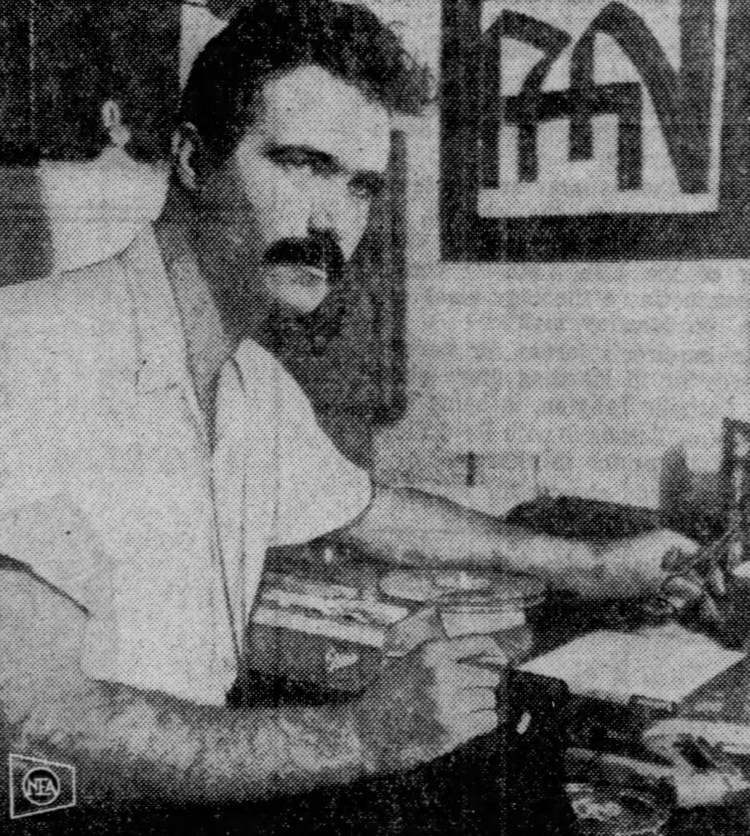
UK, 1958—a type of moustache in which the two ends extend downwards to the chin—refers to Emiliano Zapata, who was portrayed with a moustache of this kind by Marlon Brando in Viva Zapata! (1952)
Read MoreUK, 1924, as ‘cameo part’, used of two small roles in Shakespeare’s Julius Cæsar
Read MoreUSA, 1972—a chilling warning given to somebody—from Francis Ford Coppola’s The Godfather (1972), in which the severed head of a horse is left as a warning in a film producer’s bed
Read MoreU.S. slang, 20th century—in reference to a person’s anus, ‘to stick (something) where the sun don’t shine’ expresses contemptuous rejection
Read MoreUSA, 1927: a woman with a silvery-blonde hair colour—USA, 1930: specifically applied to Jean Harlow—also (USA, 1927) ‘platinum’: a silvery-blonde hair colour
Read More word histories